

Following the ambitions of several talented teens in a New York performing arts school, Fame – the original 80s musical – is still electric with energy in its thirtieth year, writes our theatre critic Jo Hemmings.
I haven’t enjoyed a night at the theatre so much in ages.
That’s not to say I haven’t seen some very remarkable shows recently, because I certainly have, but sometimes a blissful two-hour marathon of exuberant singing and dancing is the only thing that will do. Fame was pure musical theatre joy from beginning to end and, if you like such a vibe, then you’ll love this production at the Peacock Theatre in London.
Fame is set in and around the High School of Performing Arts in New York City between 1980 and 1984 and follows the ambitions and desires of a small group of talented students. You may well be aware that it was an overwhelmingly successful 1980 film and has a particularly iconic Oscar-winning title song – ‘Fame’. But what you may not realise is that this stage musical – developed by the original creator David de Silva – is very different from the film. Different characters, different musical score (although it of course borrows the famous title song) and a different tone too – the original film is much grittier. So the stage production of Fame, here on its 30th anniversary tour, has in a sense been even more, well, musicalised. Some people will dislike that, but it’s better to just take it for what it is.
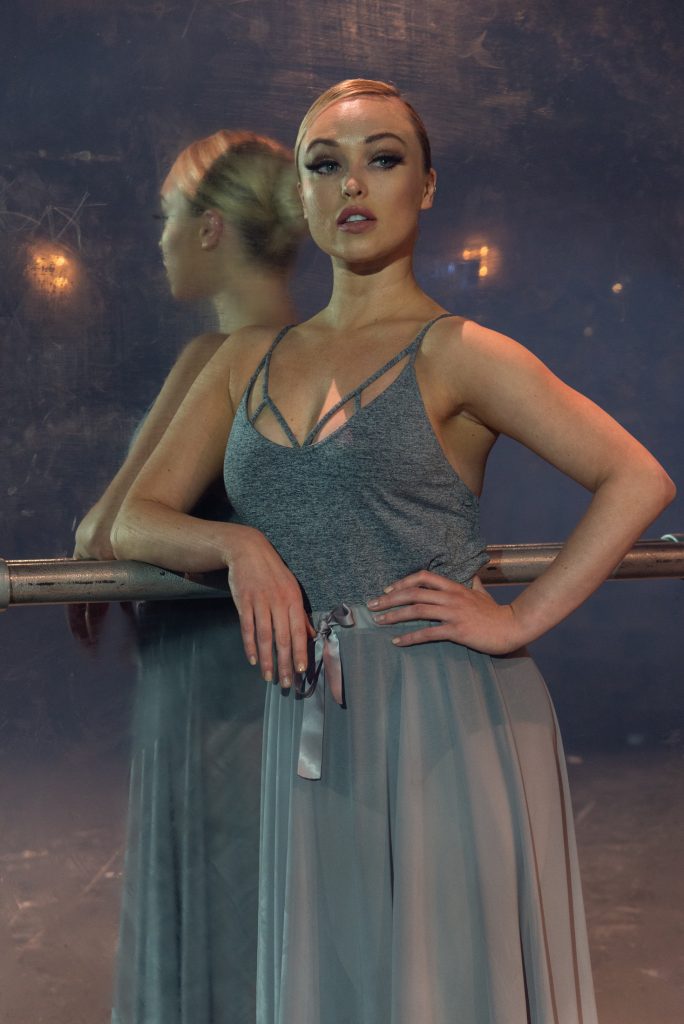
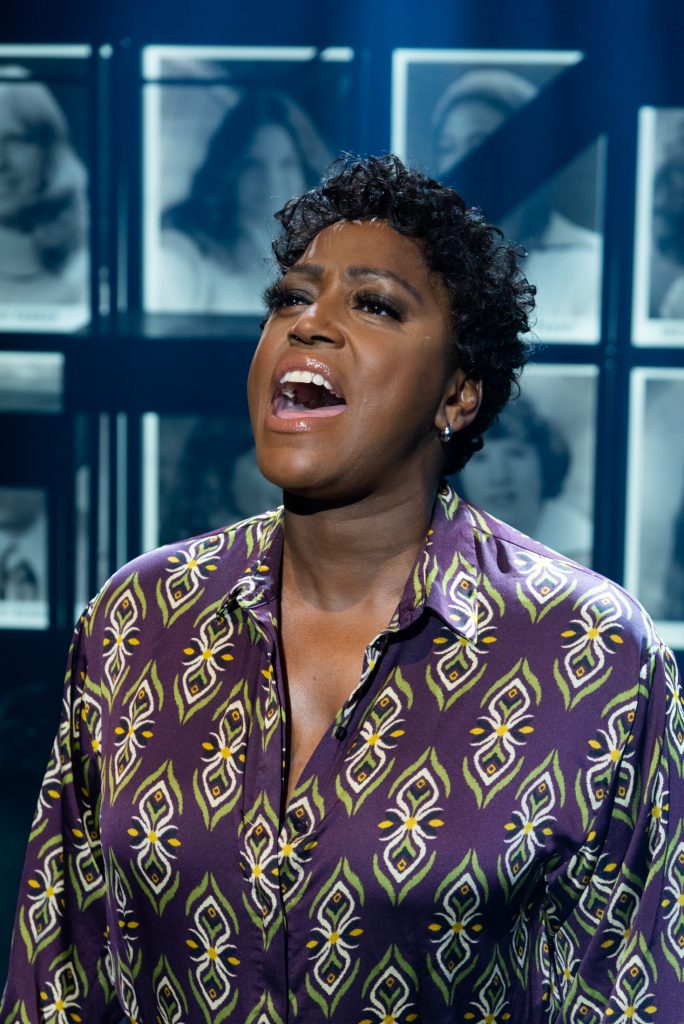
Each of the remarkably energetic cast nailed their respective big numbers. Poor ballet student Iris (Jorgie Porter) and the dyslexic hip hop dancer Tyrone (Jamal Kane Crawford) explore their relationship while providing some of the greatest dancing of the show. Tyrone’s ‘Dancin’ On The Sidewalk’ stands out for its sheer verve. Then there’s actress Serena (Molly McGuire), whose unrequited feelings for study partner Nick (Keith Jack) eventually become requited as with unexpected power and presence she implores him ‘Let’s Play a Love Scene’. And there is frustrated pianist Schlomo (Simon Anthony) and his love for Carmen (Stephanie Rojas). It is Carmen who gets to belt out the iconic ‘There She Goes/Fame’ which she enthusiastically did from atop various tables for a delighted audience. Special mention must also be made of Mica Paris, who plays the teacher Miss Sherman. Her limited part was more than compensated for by her emotional delivery of ‘These Are My Children,’ as she reflects on the students she teaches. Director Nick Winston says in the programme notes that he really wanted to put talent centre stage and that he is delighted with the company they assembled. I was surprised to find myself agreeing – this was an all-round incredibly talented cast, full of power.

It would be easy to criticise Fame and I’m sure many do. The songwriting is catchy but undeniably basic. It is cliché-ridden, the characters all stereotypes. But – for us now, thirty years after Fame originated – that could well be the very reason we still like it. We’re reassured by the characters, uplifted by the songs and we don’t have to worry about where we’re going to end up at the end of the night. Sure, there is the more serious story strand of Carmen, who falls out of the school, moves to LA and eventually dies of a drug overdose. But since we see the wonderful Stephanie Rojas return to the stage moments later and belt out an encore of the iconic ‘Fame! I’m gonna live forever’ the audience don’t have time to despair – they are on their feet, dancing.

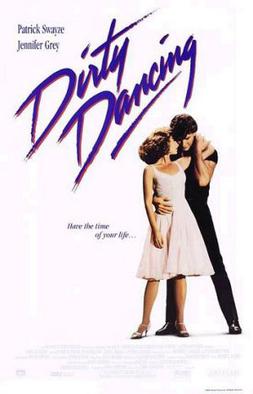
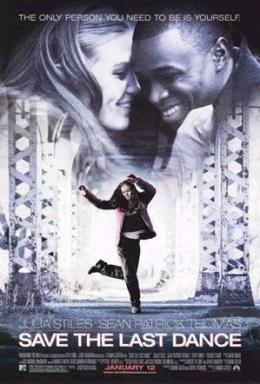
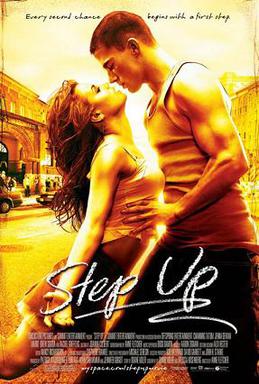
What should not be forgotten in its familiarity is that Fame was an originator, a leader and the first. For Fame has spawned its very own, and very persistent, genre: that of the dance school film. Huge in my teenage years were films such as Save the Last Dance (2001), and Step Up (2006) and its sequels – all of which riff off the ballet/hip hop love interest storyline of Fame. I’ll just make a quick personal plug here for my favourite dance school film: Centre Stage (2000). Who could possibly forget Cooper in his black leather jacket arriving on stage on his motorbike and stealing Jody away in her red ballet shoes to the music of Michael Jackson? Go watch it. Since then, High School Musical (2006) and the TV series Glee have been wildly popular. The dance routines styled like music videos in Fame were also a major influence on other iconic dance films of the 1980s, such as Flashdance (1983), Footloose (1984) and Dirty Dancing (1987). And – since I’ve started recommending underrated cult gems of the dance film world – I must also put in a little plug here for Dirty Dancing 2 (2004), which, besides containing a cameo from Patrick Swayze himself, taught me everything I know about the Cuban Revolution (it’s set in 1950s Havana). As Mica Paris sings in this production, about the students at the school: ‘These are my children’. These films are all the children of the genre-establishing Fame.
Yet all these films are firmly embedded in the greater tradition of musical theatre, particularly the kind of ‘show within a show’ musicals that have always been popular – from 42nd Street (1933) through to A Chorus Line (1976). In fact, the kernel of the idea for Fame is said to have been a character in A Chorus Line who alludes to acting classes at ‘PA’ – the High School for Performing Acts – prompting David de Silva to create a story around the development of young stage stars when they are training and dreaming of their big break. In the same way that authors seem to enjoy writing about writers and referencing books, musical theatre as a form has always delighted in portraying itself.
This 30th anniversary production of Fame was very firmly placed in its 1980s setting and the yearbook pictures of students that made up the set were suitably nostalgic. At the end, there were miniature yellow taxi cabs crawling up and down the backdrop of the stage – a nod to the original film. I did find myself wondering whether this production could have extended itself by updating the story to the present day. The PA still exists as the Fiorello H LaGuardia High School and the key themes of the show – ambition, talent, prejudice, body issues, love – are of as much relevance as ever. Perhaps it could be updated, and I would be very interested to see it done, but I can equally accept the comfort of this nostalgic production. The 1980 film was woefully remade in 2009 in a version that is best forgotten – a lesson, perhaps, in meddling too far with something that works as it is.
This production certainly worked. It was electric with energy and the audience finished on their feet. If Fame is your sort of musical, then this production will give you everything you could possibly want.
Fame will be showing at the Peacock Theatre, London, until 19th October. Click here for more information and to book tickets.
Image Credits
- Feature Image Jorgie Porter as Iris and Jamal Kane Crawford as Tyrone in Fame, photograph by Alessia Chinazzio.
- Jorgie Porter as Iris; Mica Paris as Miss Sherman in Fame, photograph by Alessia Chinazzio.
- Original theatrical release posters for Dirty Dancing (Vestron Pictures), Save the Last Dance (Paramount Pictures) and Step Up (Buena Vista Pictures Distribution), all under the fair use licence.


