In this beautiful creative non-fiction piece, ‘Gold Top’, Rym Kechacha uses Remedios Varo’s painting, Celestial Pablum, to explore her own experiences of breastfeeding her baby daughter through the night.
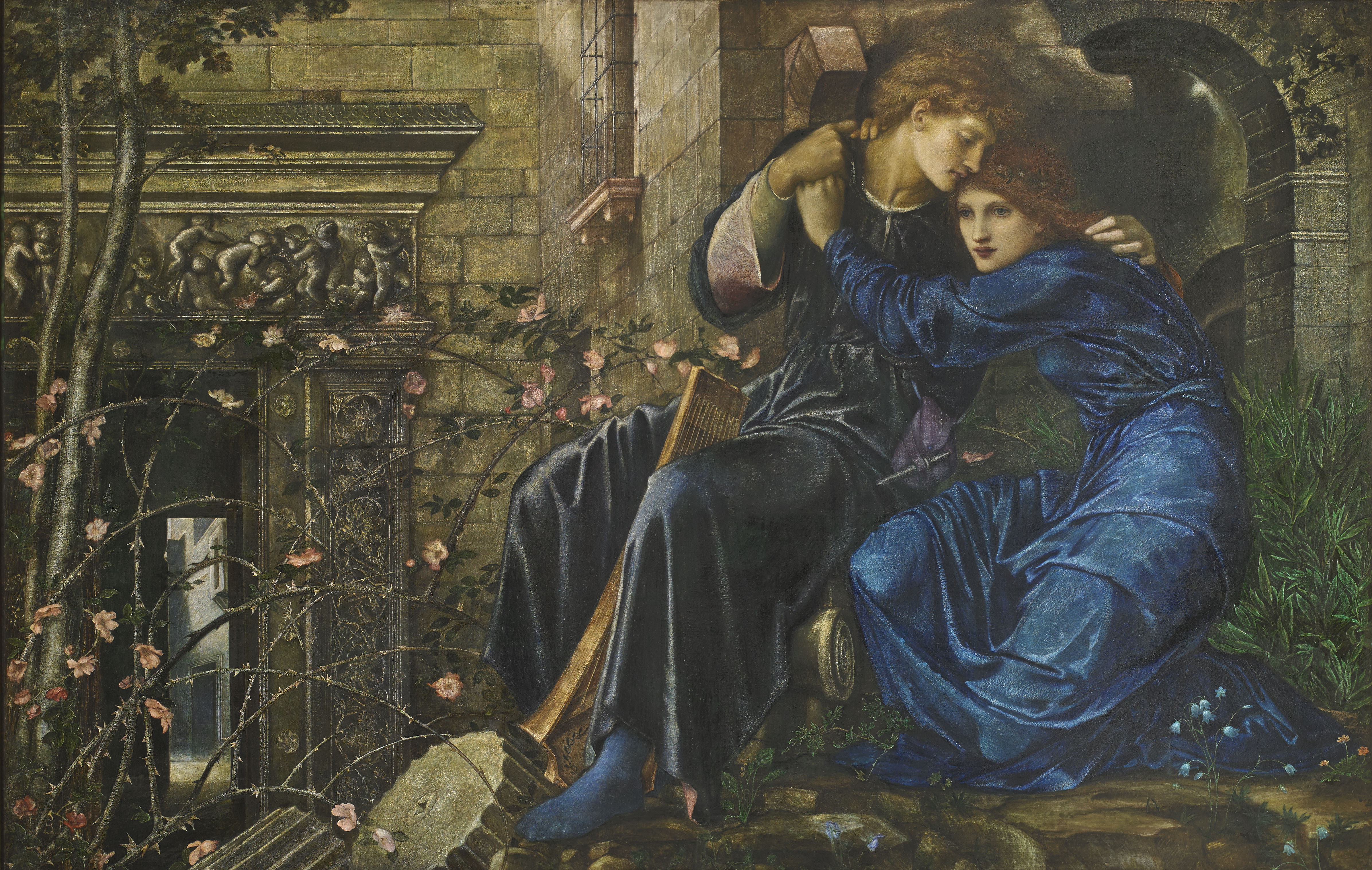
In Edward Burne-Jones’ Love Among the Ruins, 1870-73, Christina Makri sees human love and nature survive the collapse of the world, and argues that we, too, will find comfort in the chaos of the pandemic.
During lockdown, Julia Bagguley found solace and hope in her garden. Here, in the twenty-fifth postcard of the series, she reflects on another gardener, Gertrude Jekyll, as captured in William Nicholson’s portrait.
Georgia O’Keeffe’s Grey Lines with Black, Blue and Yellow, c.1923, is a painting full of movement that captures the New Mexican skyscape and reminds us, as we adjust after lockdown, that we’ll be moving again soon too.
In Luchita Hurtado’s paintings, the nude female body is an affirmation of the self, a locus of solitude and personal care that reminds us to slow down and appreciate ourselves and others, writes Jennifer Brough.
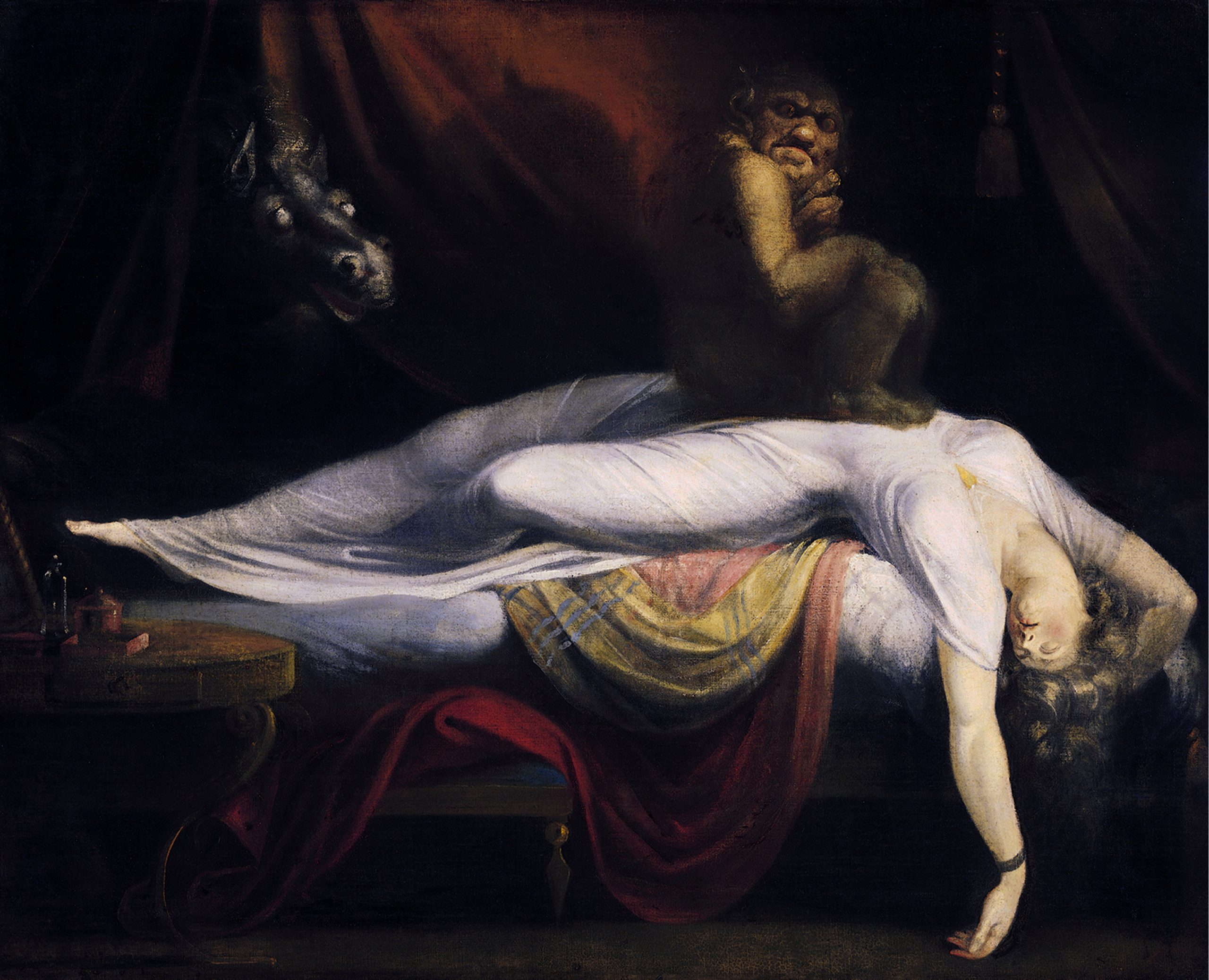
Delving into the rich traditions of gothic literature, sentimental fiction and old folk tales, Henry Fuseli’s The Nightmare, 1782, appears from another world. But not so, says Miriam Al Jamil, who recognises in the painting an awareness of human psychology foreshadowing that found in modern psycho-analysis, dream theory and psychiatry.
Looking at the New Mexico desert, Georgia O’Keeffe found a new home. In the thirteenth Postcard piece, Emily Garbutt considers O’Keeffe’s vivid, evocative painting, Black Mesa Landscape, New Mexico/ Out Back of Marie’s II, 1930, and asks when she will have the opportunity, post-lockdown, to survey a foreign landscape.
Isabel Radford reflects on one of Frida Kahlo’s best known works, Self-Portrait with Thorn Necklace and Hummingbird, 1940, and sees the artist as a source of empowerment for our current times.
The Barbican’s Lee Krasner: Living Colour is a long overdue celebration of an indomitable artist whose ingenious eye offers a kaleidoscopic perspective on the inner and outer worlds that shape our lives, writes our arts contributor Dr Lottie Whalen.
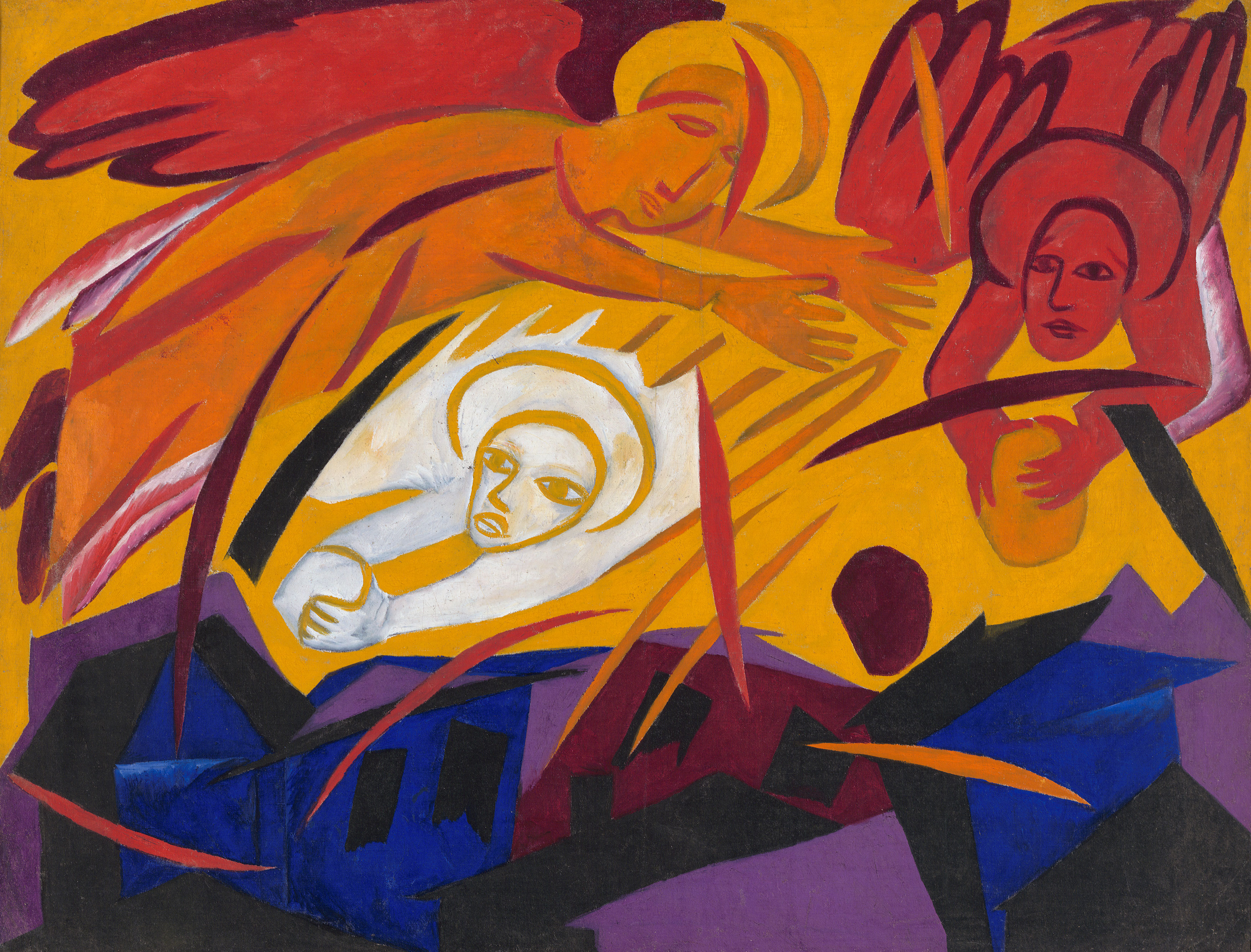
Tate Modern’s latest retrospective of the Russian avant-garde artist, Natalia Goncharova, is a triumph of colour, style and artistic brilliance, writes our arts contributor Gabriela Frost.
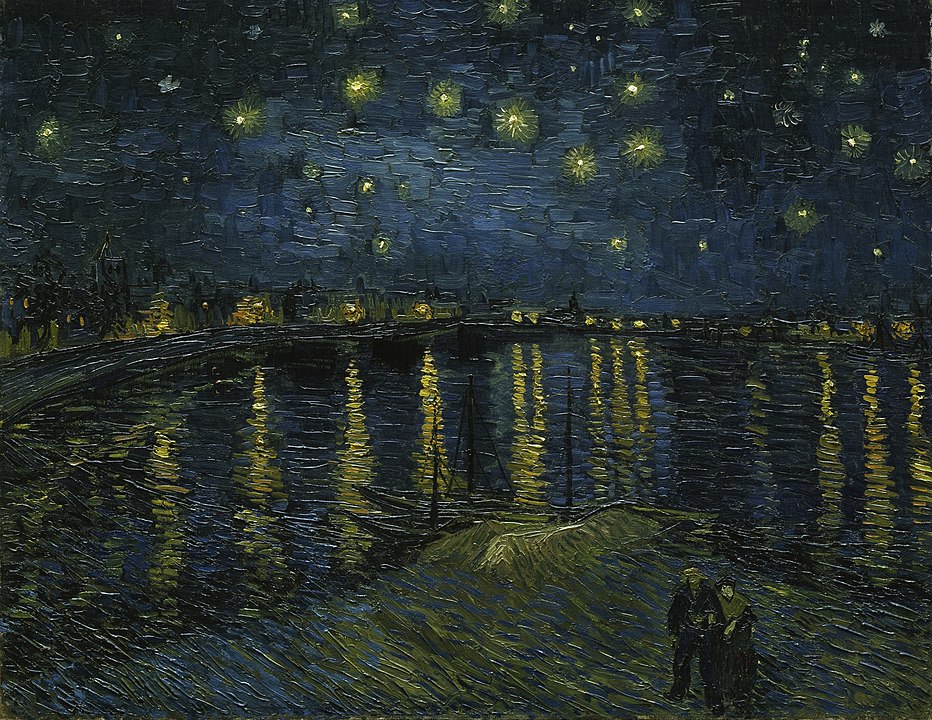
Tate’s latest exhibition, Van Gogh and Britain, reveals the extent to which the artist was inspired by British culture and in turn, influenced it. In her review, Jo Hemmings asks why we’re still captivated by Van Gogh and his work.