Skip to content
Kirsten Glass’ enchanting paintings conjure alternate realms, invoke esoteric energies and summon nocturnal beings. In this creative essay, Hannah Hutchings-Georgiou meditates on the “obverse” side of her mesmerising work and its magical channeling of all things dark.
Read More “Magic by Moonlight: Kirsten Glass’ Night-Scented Stock at Karsten Schubert, London”
In this beautifully evocative essay, Rolake Osabia reflects on her own practice as an artist and painter of portraiture, and describes what it felt like to relinquish control, have her own portrait painted, and become somebody else’s muse.
Read More “Somebody Else’s Muse by Rolake Osabia”
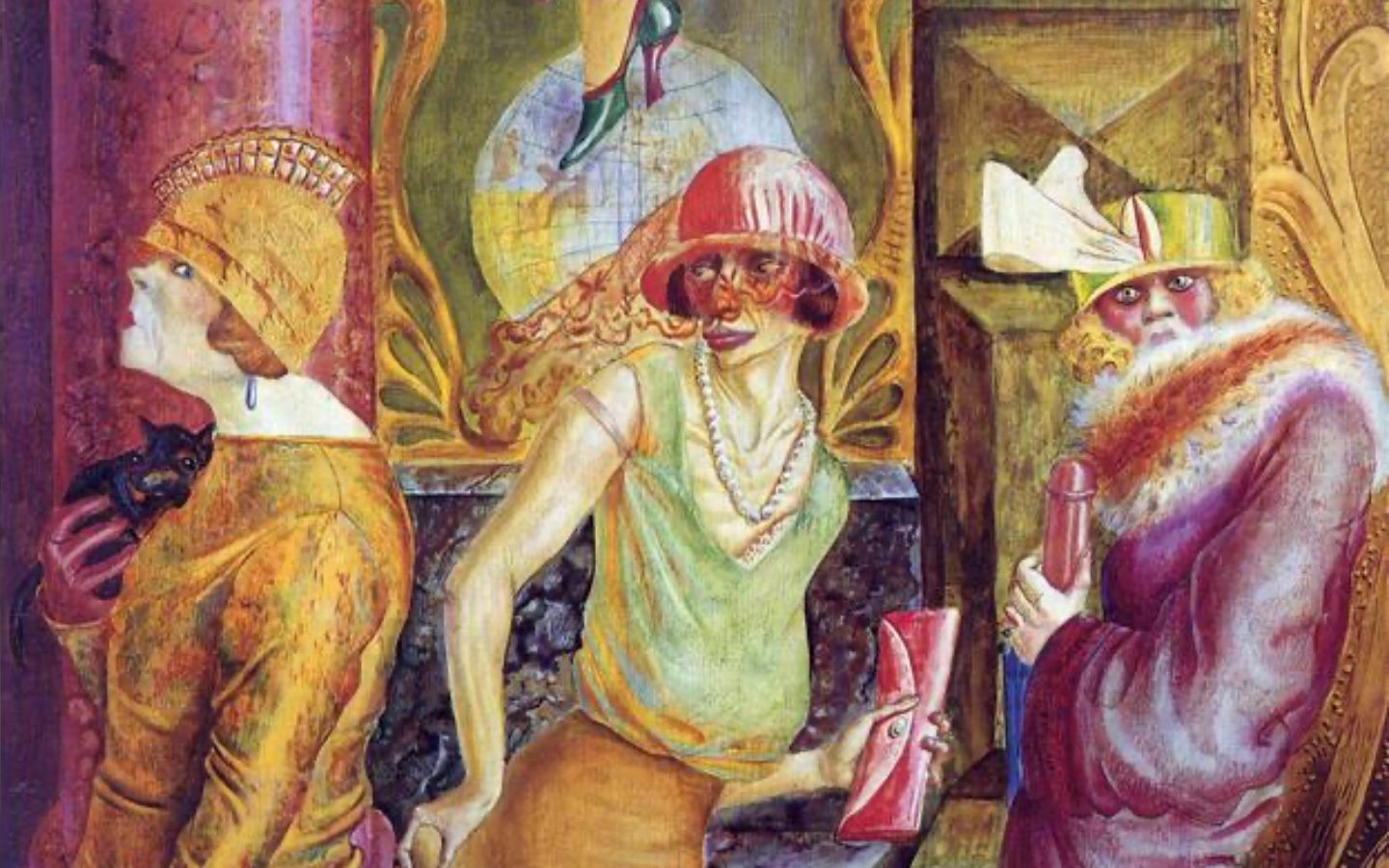
During lockdown, the study of German expressionist artists George Grosz and Otto Dix, and their portrayals of women, made Claire Thomson recognise the stark truth of the body.
Read More “Writing the Weimar Body by Claire Thomson”
Iona Glen reflects on Celia Paul’s memoir, Self Portrait, the significance of the British Museum and Bloomsbury to the artist’s work, and her subversive vanquishing of “muse-dom” and patriarchal conventions through painting.
Read More “A Home of the Muses by Iona Glen”
Susan Wilson explores the creative space of poetry, writing through grief and loss, poetry as identity, and words as ‘the hope in brilliant darkness of a flame’.
Read More “How I Write: on poetry, grief, and inspiration”
In the third chapter of her mini-series, Toni Roberts discovers that witchcraft is alive and well in Romania. Looking at Lucia Sekerková Bláhová’s photography series, Vrăjitoare, the modern, technologically savvy face of magic and witchery is revealed.
Read More “Women of the Night, Chapter 3: Vrăjitoare, Romania’s Witch Business”
Millais’ painting, Ophelia, continues to inspire viewers and critics alike, but what if the heroine came back from the watery grave she was condemned to? Here, Hannah Hutchings-Georgiou considers the return of Ophelia in the artwork of Jada Bruney and Rolake Osabia, and the music visuals of Christine and the Queens.
Read More “Ophelia Redux”
Looking at the work of photographer Ana Casas Broda, poet Muriel Rukeyser and musician Sherri Dupree-Bemis, Toni Roberts considers night from the perspectives of mothers, reflecting on their nocturnal experiences and reveries.
Read More “Women of the Night, Chapter 2: Nocturnal Mothering”
Sumaya Kassim writes about the ingrained orientalist attitudes and tropes which reinforce exhibitions like the British Museum’s Inspired by the East, often at the expense of the experiences, creativity and cultural history of Middle Eastern Muslims.
Read More “There is no mutual fascination: why the British Museum’s ‘Inspired by the East’ is not inspired (at least, not to me, a heartbroken Muslim Middle Easterner)”
Memory, loss and migration are all explored in Tara Fatehi Irani’s beautifully evocative work, Mishandled Archive. Here, Hannah Hutchings-Georgiou reflects on Fatehi Irani’s ongoing project and her “mishandling” of ancestral archives.
Read More “Migrating Memories and Transitive Memorials: Tara Fatehi Irani’s Mishandled Archive and Our Collective Handling of the Past”
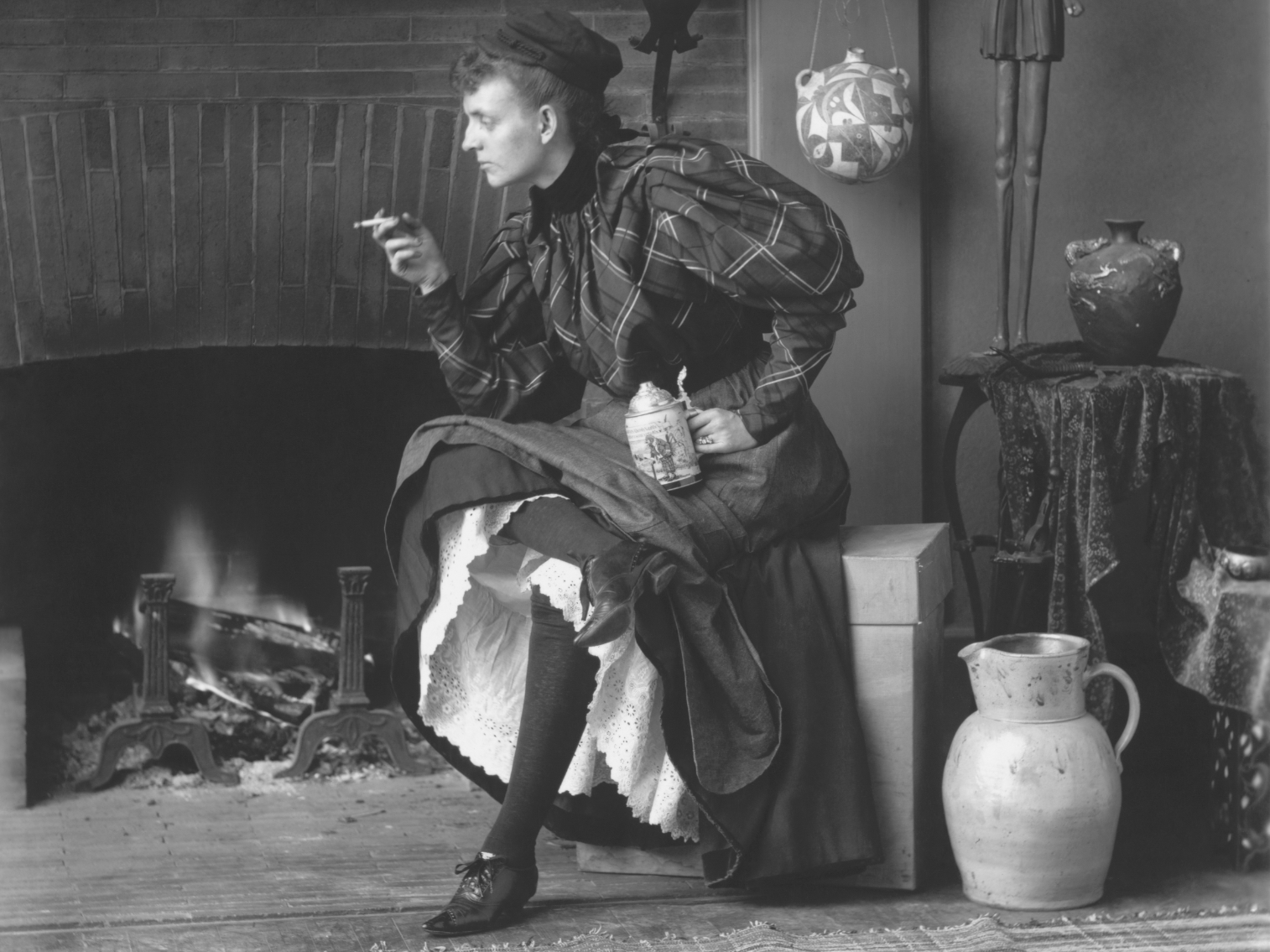
Our arts contributor Judith Roberts explores the phenomenon of the New Woman in the work of several women playwrights from the early twentieth century.
Read More “The New Woman in Early Twentieth-Century New Drama: Staging a Sexual, Political and Social Revolution”
Olivia Scott Berry questions curatorial decisions and a lack of intersectionality in the recent exhibition inspired by Virginia Woolf’s writings. In the words of poet Rebecca Wilcox, Berry asks ‘what about the transformational potential of discourse?’ when returning to the oeuvre of Woolf.
Read More “Reflections on ‘Virginia Woolf: An Exhibition Inspired By Her Writings’ at the Fitzwilliam Museum, Cambridge”
Top