In the final postcard of her series, Rochelle Roberts reflects on the last few months since the first lockdown, and finds comfort and hope in the artwork of Somaya Critchlow and Dorothea Tanning’s Interior with Sudden Joy, 1951.
Alice McCabe’s beautiful tapestries weave millet, flowers, paper and wire together as a timely reminder of our dependency on nature and its residual energy to heal, writes Miriam Al Jamil.
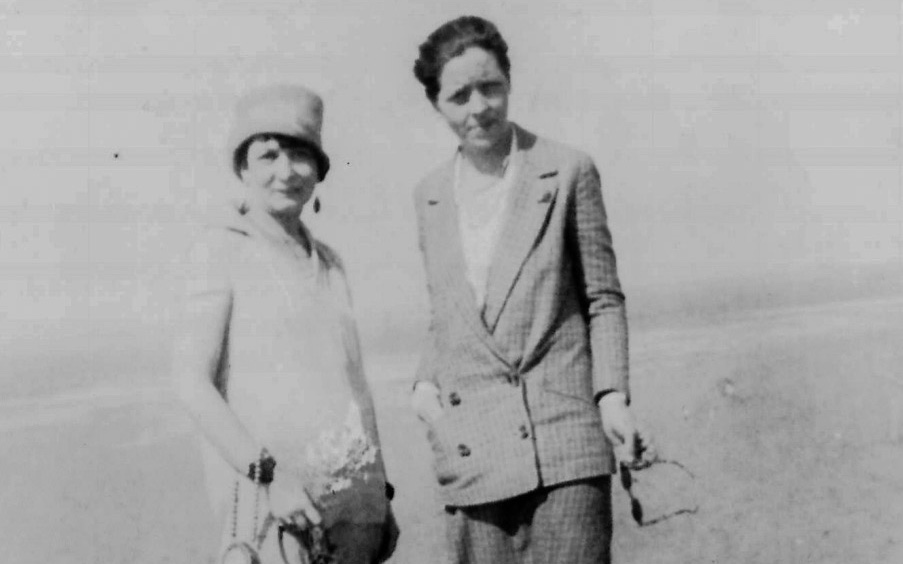
In her third chapter of the series, Elodie Rose Barnes walks the streets of Paris trying to uncover fragments of Djuna Barnes’ relationship with Baroness Elsa von Freytag-Loringhoven and her attempt to write a biography of the Dada artist’s life.
Looking at the work of photographer Ana Casas Broda, poet Muriel Rukeyser and musician Sherri Dupree-Bemis, Toni Roberts considers night from the perspectives of mothers, reflecting on their nocturnal experiences and reveries.
When the world went into lockdown, nature appeared to take over, with seabirds settling in Venice and deers roaming Japan’s empty streets. Here, in the penultimate postcard of the series, Georgia Good explores nature’s return in Duane Michals’ famous work, Paradise Regained, 1968.
In this beautiful creative non-fiction piece, ‘Gold Top’, Rym Kechacha uses Remedios Varo’s painting, Celestial Pablum, to explore her own experiences of breastfeeding her baby daughter through the night.
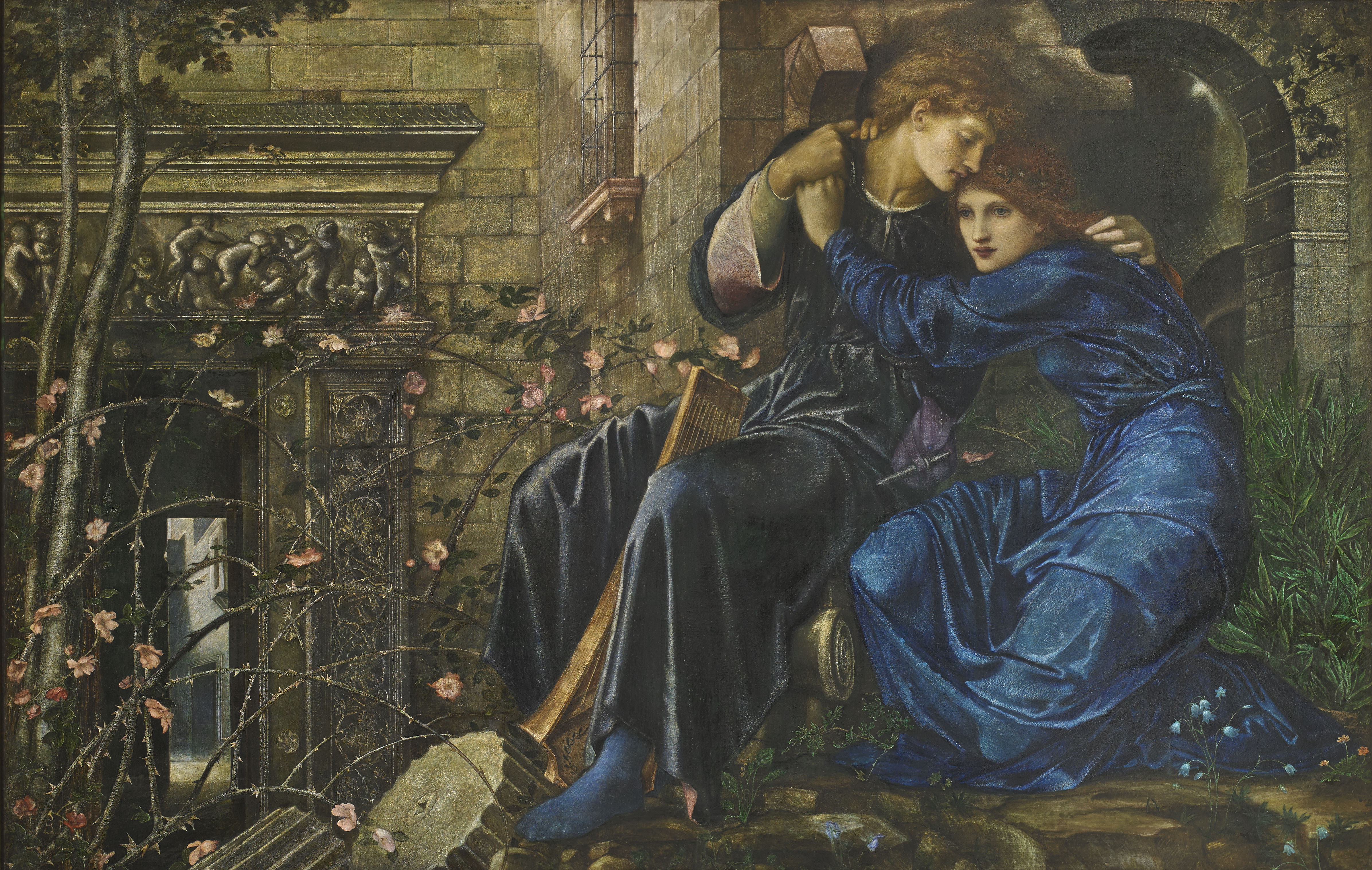
In Edward Burne-Jones’ Love Among the Ruins, 1870-73, Christina Makri sees human love and nature survive the collapse of the world, and argues that we, too, will find comfort in the chaos of the pandemic.
During lockdown, Julia Bagguley found solace and hope in her garden. Here, in the twenty-fifth postcard of the series, she reflects on another gardener, Gertrude Jekyll, as captured in William Nicholson’s portrait.
Georgia O’Keeffe’s Grey Lines with Black, Blue and Yellow, c.1923, is a painting full of movement that captures the New Mexican skyscape and reminds us, as we adjust after lockdown, that we’ll be moving again soon too.
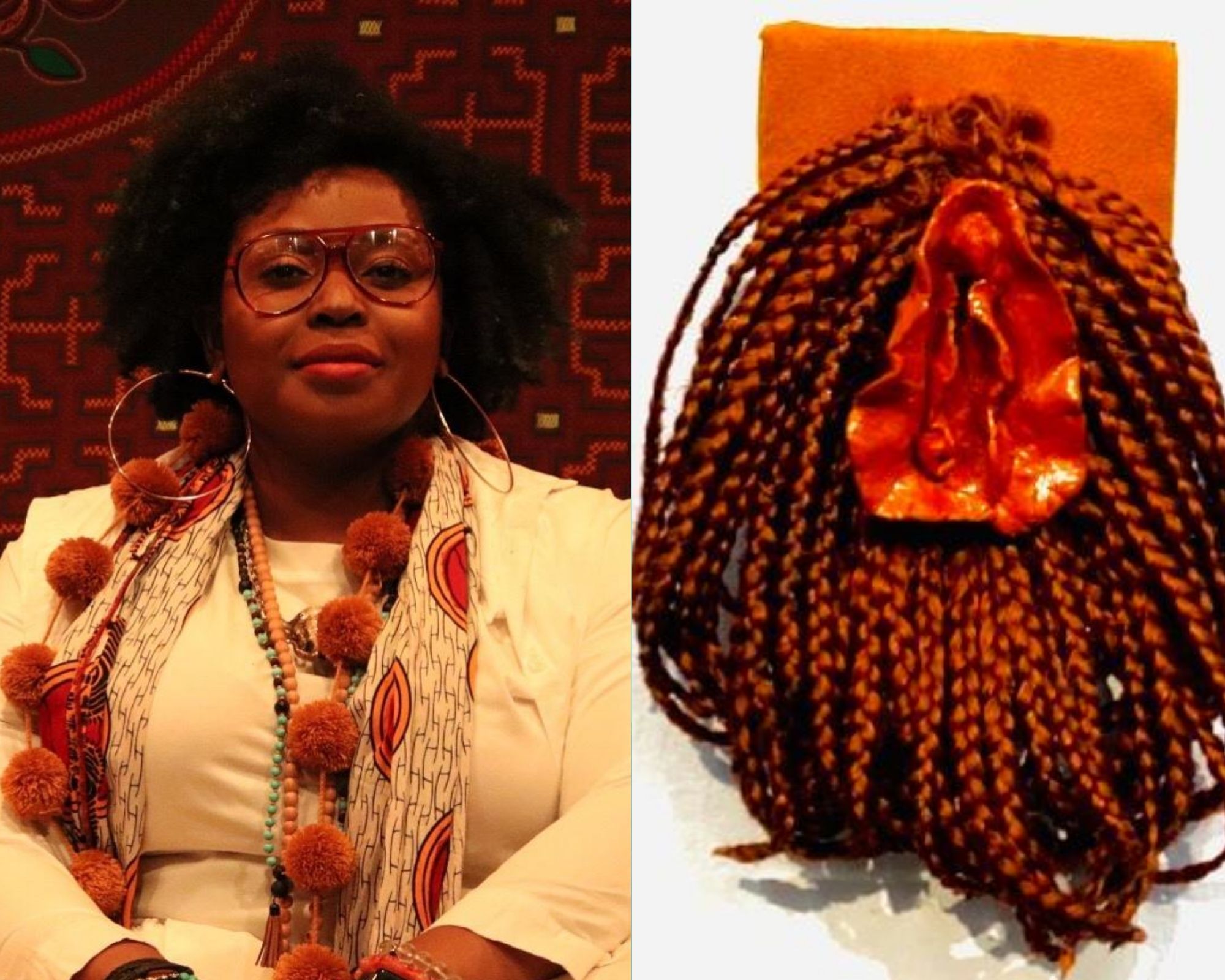
Majella Mark looks back to her own artwork, The Return, 2020, a celebration of African ancestry, and asks where can black men and women go to be safe in light of the murders of George Floyd and Ahmaud Arbery?
In Luchita Hurtado’s paintings, the nude female body is an affirmation of the self, a locus of solitude and personal care that reminds us to slow down and appreciate ourselves and others, writes Jennifer Brough.