Kitty Becher takes inspiration from Atsuko Tanaka’s Electric Dress, 1956, a radical and daring work that speaks to our current anxieties and dependency on technology.
On a trip to Berkeley, California, Molly Gilroy discovered Sylvia Fein’s hypnotic and blazing work, The Painting Told Me What to Do, 2012, an image, which in postcard form, has given her hope during lockdown.
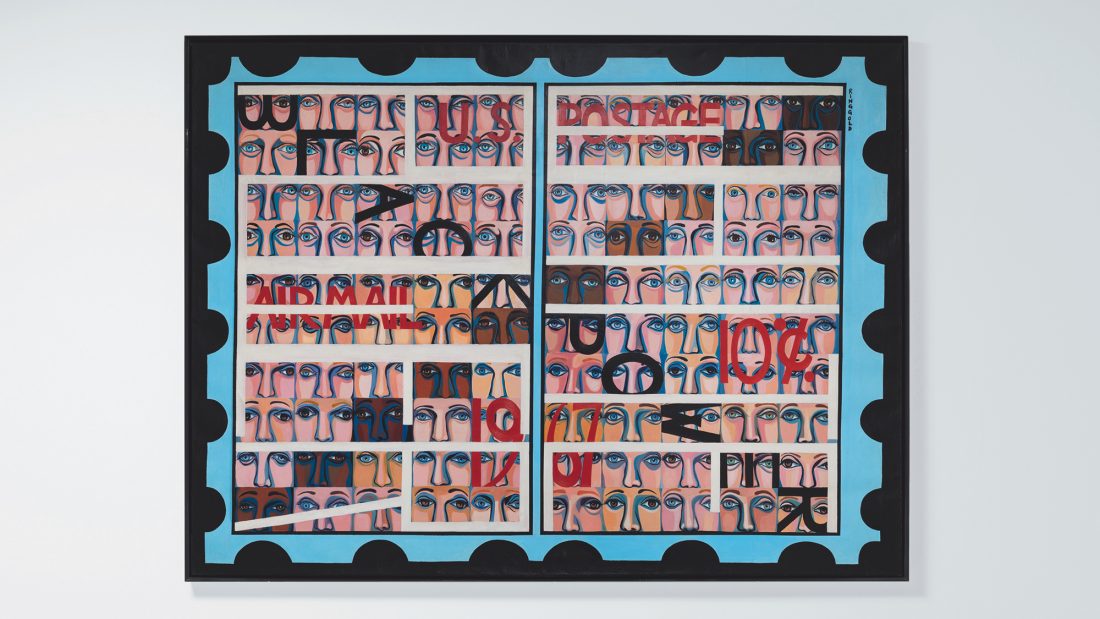
Faith Ringgold’s striking painting, #19 US Postage Stamp, 1967, captures the complexities of the Black Power movement in 60s America and the white supremacist structures African Americans were subject to. But it serves as a metaphor for our times too, writes Hannah Hutchings-Georgiou.
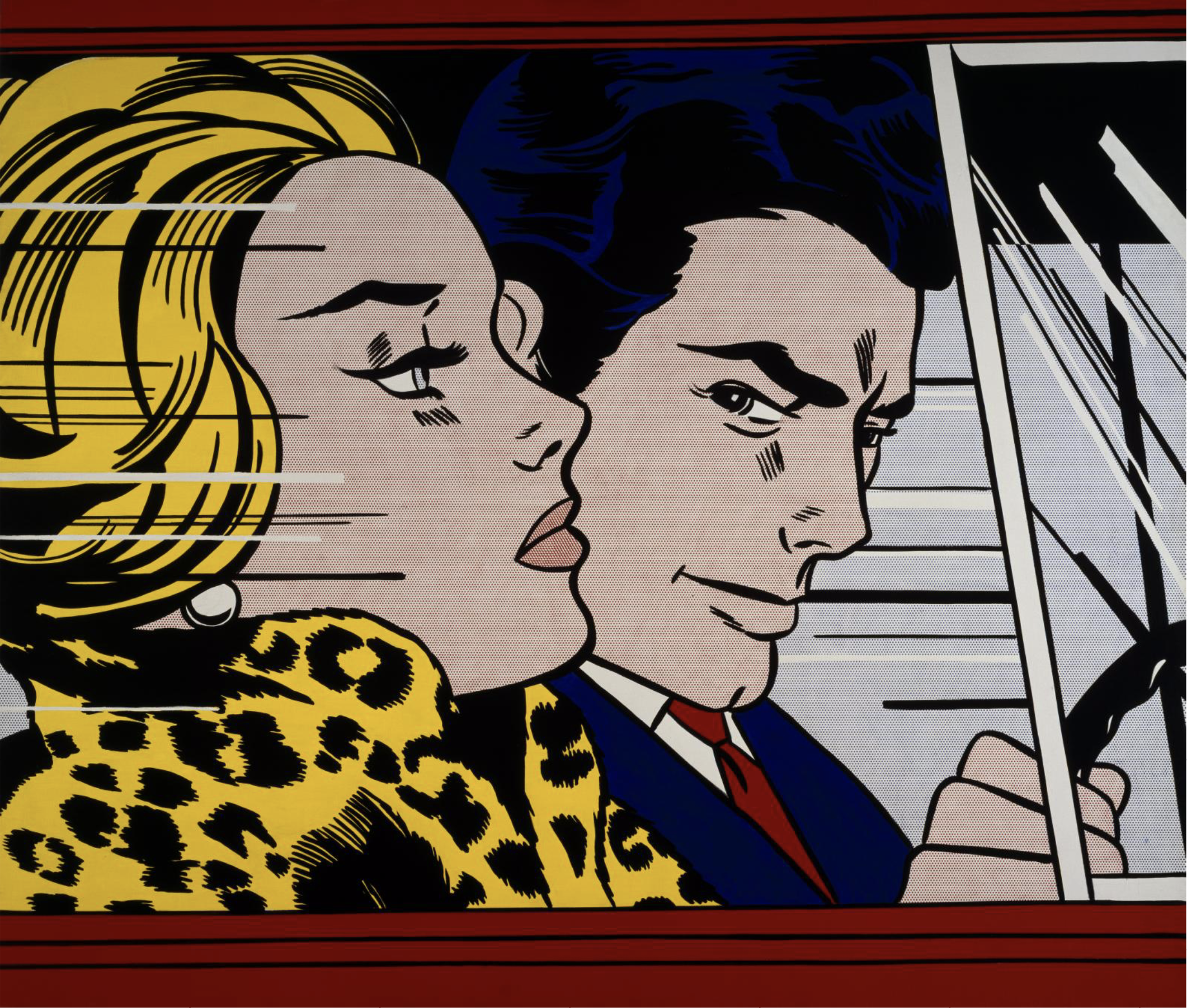
Rebecca Savage reflects on 60s Pop artist Roy Lichtenstein’s In the Car, 1963, a colourful work that reminds her of the pre-corona freedoms we’re no longer able to enjoy fully.
Frankie Dytor takes a close look at the image of the father in the Barbican Art Gallery’s extended run of their hit show, Masculinities: Liberation through Photography.
Emma Korantema marks the sixteenth Postcard of the series with Tyler Mitchell’s Untitled – Two Girls Embrace, 2018, which she sees as a celebration of black womanhood, Black freedom and looks to the achievability of a Black utopia.
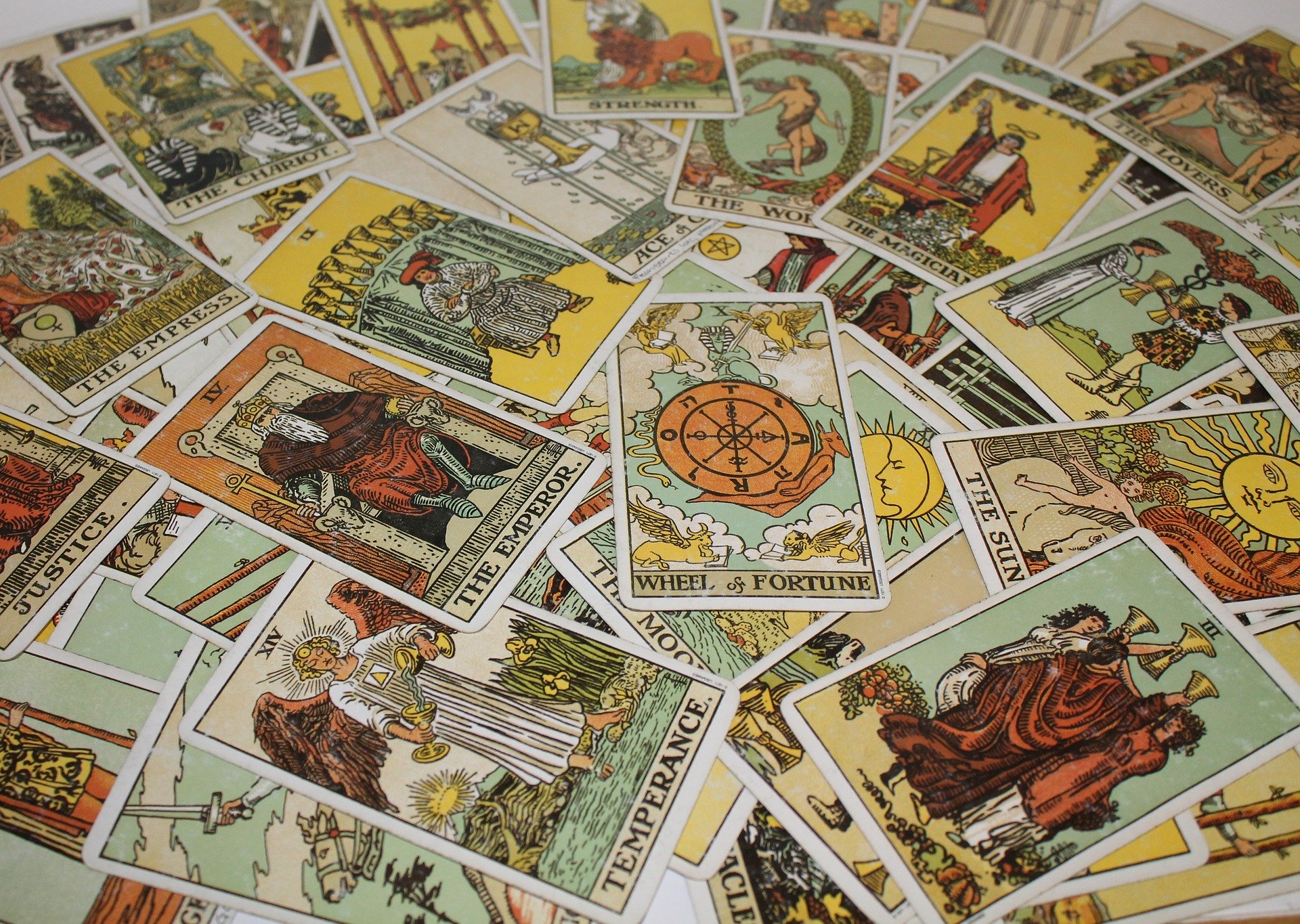
In the fifteenth Postcard of the series, Anna Kate Blair contemplates Pixie Colman-Smith’s designs for the Rider-Waite tarot deck and pays close attention to the Hermit, a card whose solitary figure resonates with our times.
In the first of her self-conceived series, The Dinner Party Reloaded, a virtual dinner party with selected artists and writers, Susanna Crossman meets Chiara Ambrosio, Lottie Whalen and Jemima Yong to discuss their creative projects, the looseness of time in lockdown, contact and intimacy in our increasingly digital age and the joys of chickpea stew.
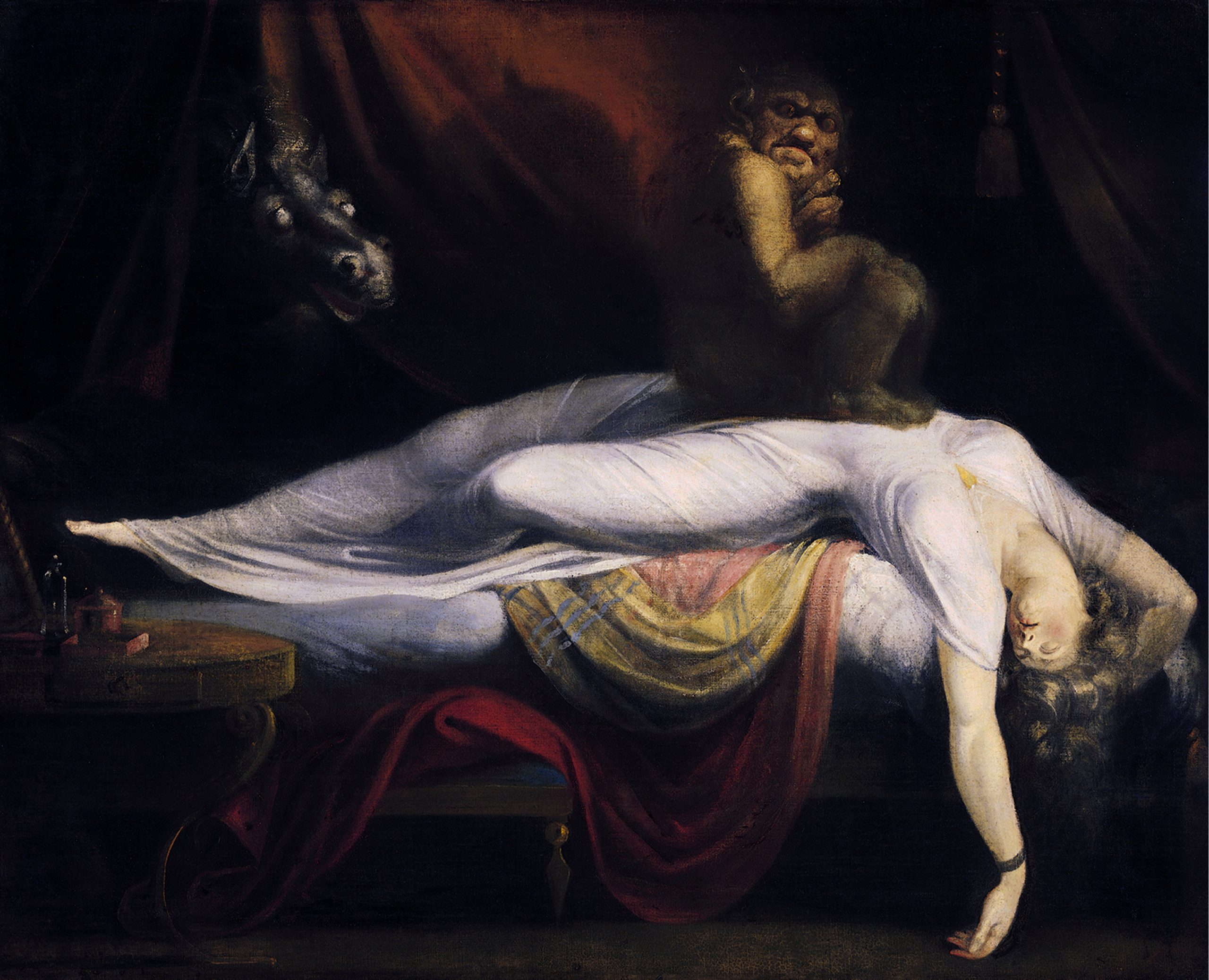
Delving into the rich traditions of gothic literature, sentimental fiction and old folk tales, Henry Fuseli’s The Nightmare, 1782, appears from another world. But not so, says Miriam Al Jamil, who recognises in the painting an awareness of human psychology foreshadowing that found in modern psycho-analysis, dream theory and psychiatry.
Reflecting on the life of Camille Claudel through Rodin’s 1884 bronze bust of the artist, Selin Genc considers her own experience of isolation and celebrates her autonomy even in the midst of lockdown.
Looking at the New Mexico desert, Georgia O’Keeffe found a new home. In the thirteenth Postcard piece, Emily Garbutt considers O’Keeffe’s vivid, evocative painting, Black Mesa Landscape, New Mexico/ Out Back of Marie’s II, 1930, and asks when she will have the opportunity, post-lockdown, to survey a foreign landscape.