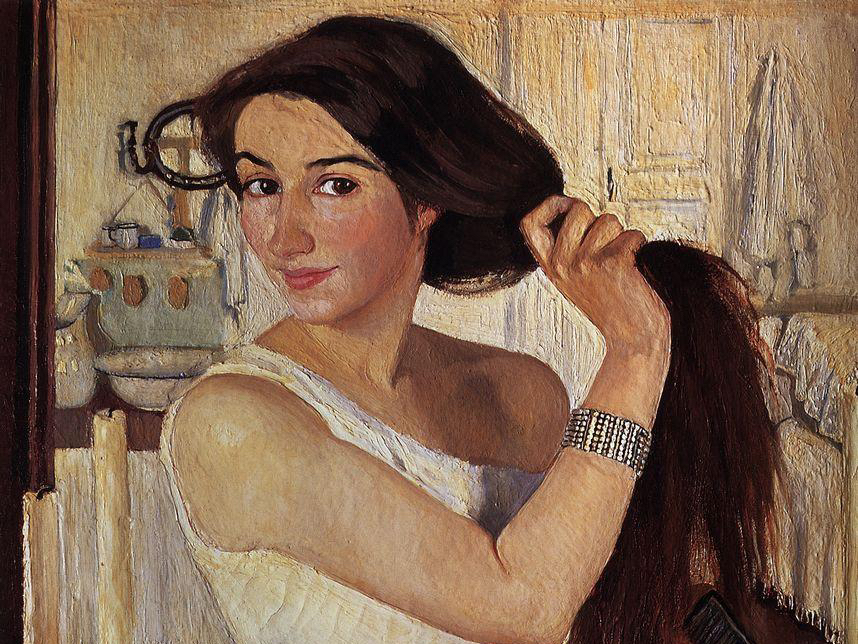
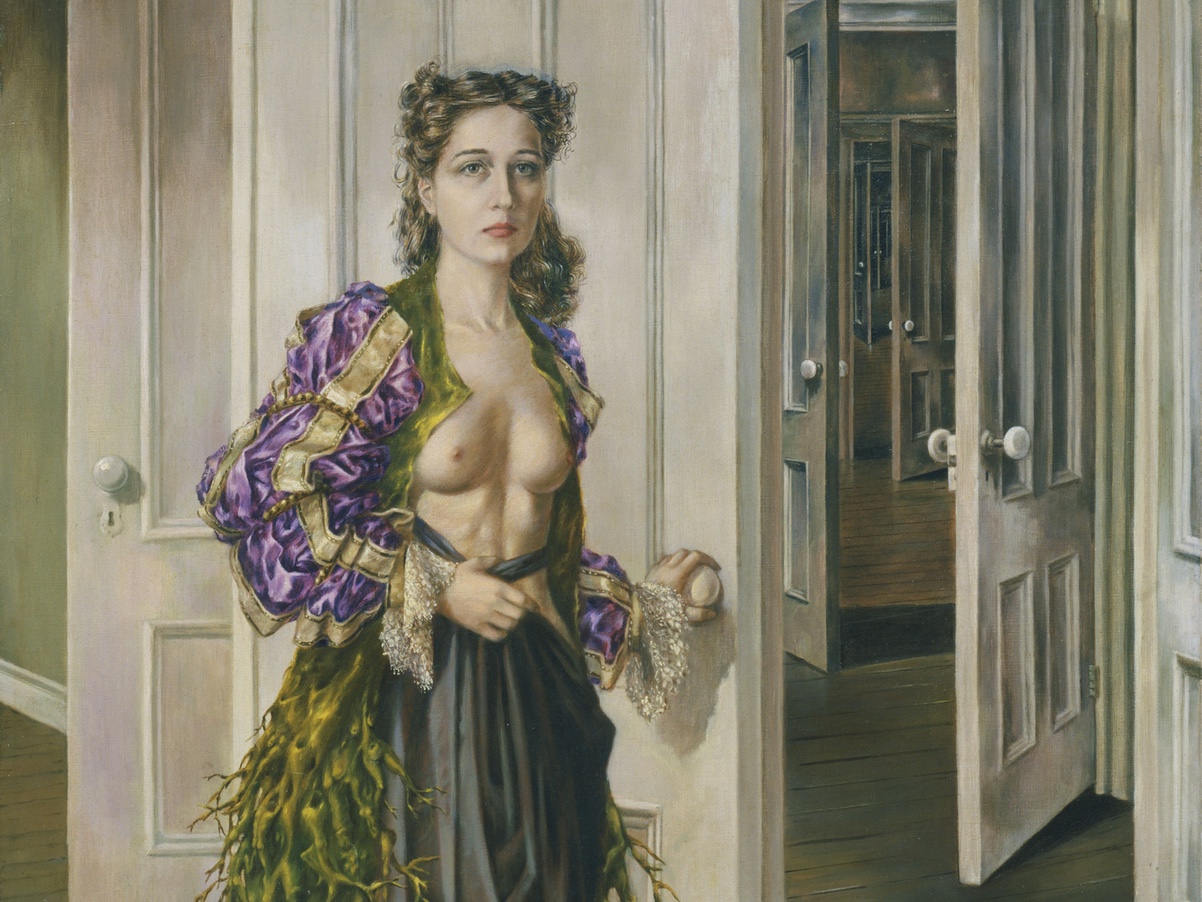
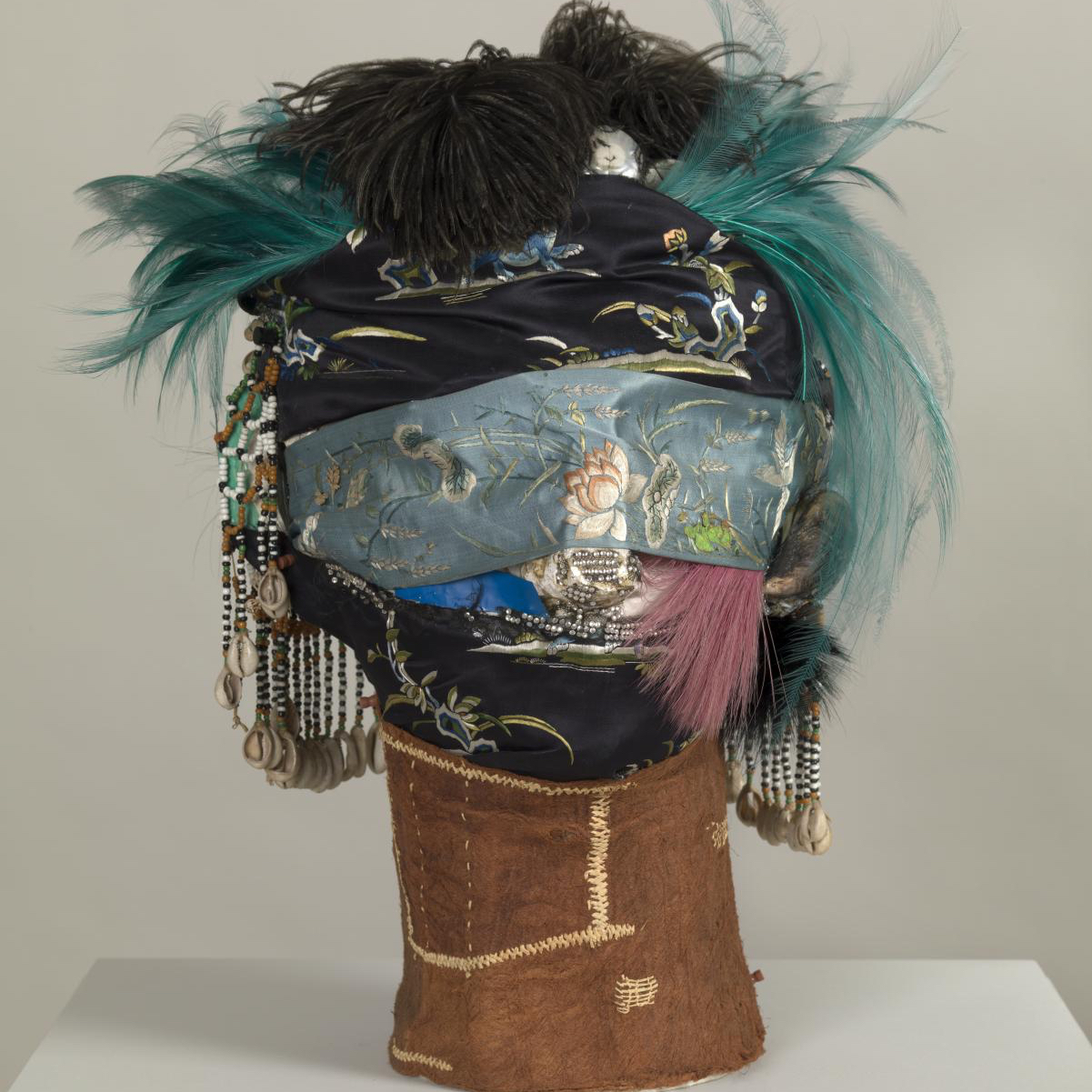
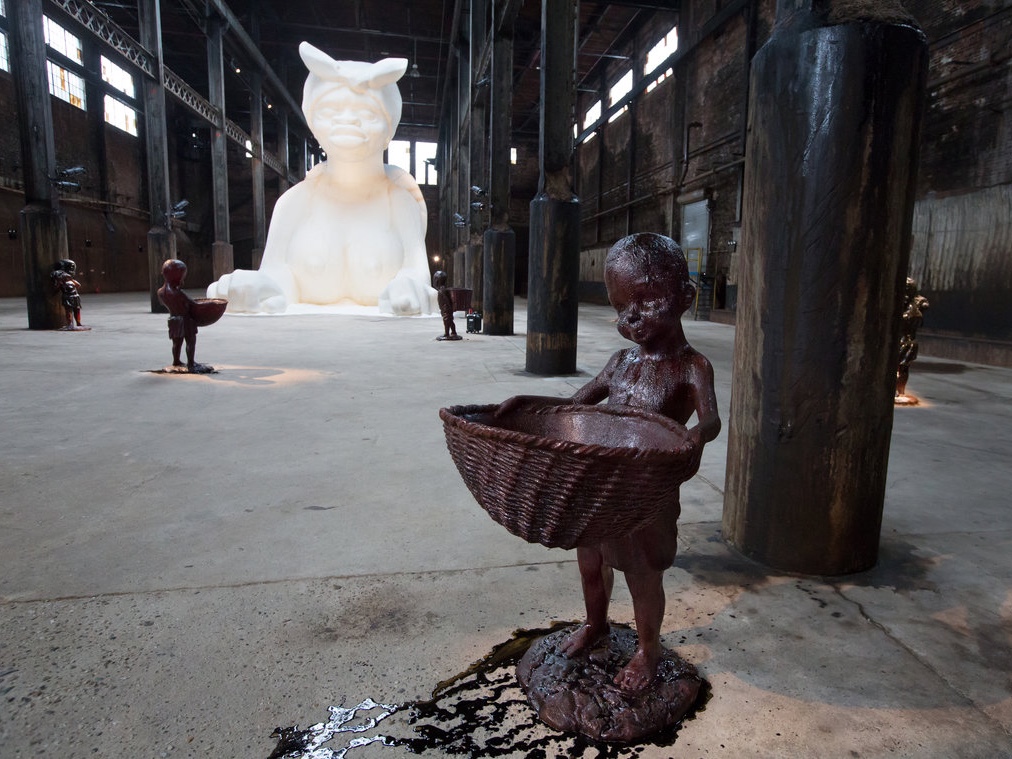
Sian Norris reflects on the female gaze as captured in Zinaida Serebriakova’s At the Dressing Table, 1909, and when looking at Dorothea Tanning’s Self-Portrait, 1944, she considers the lack of freedom we have during lockdown.
Isabel Radford reflects on one of Frida Kahlo’s best known works, Self-Portrait with Thorn Necklace and Hummingbird, 1940, and sees the artist as a source of empowerment for our current times.
In Otto Dix’s Portrait of the Journalist Sylvia von Harden, 1926, Lottie Whalen sees both an insouciant New Woman and Dix’s embodiment of a dangerously dissolute era. Recalling a recent encounter with the painting in Paris, she reflects on the freedoms we stand to lose in the time of Covid-19.
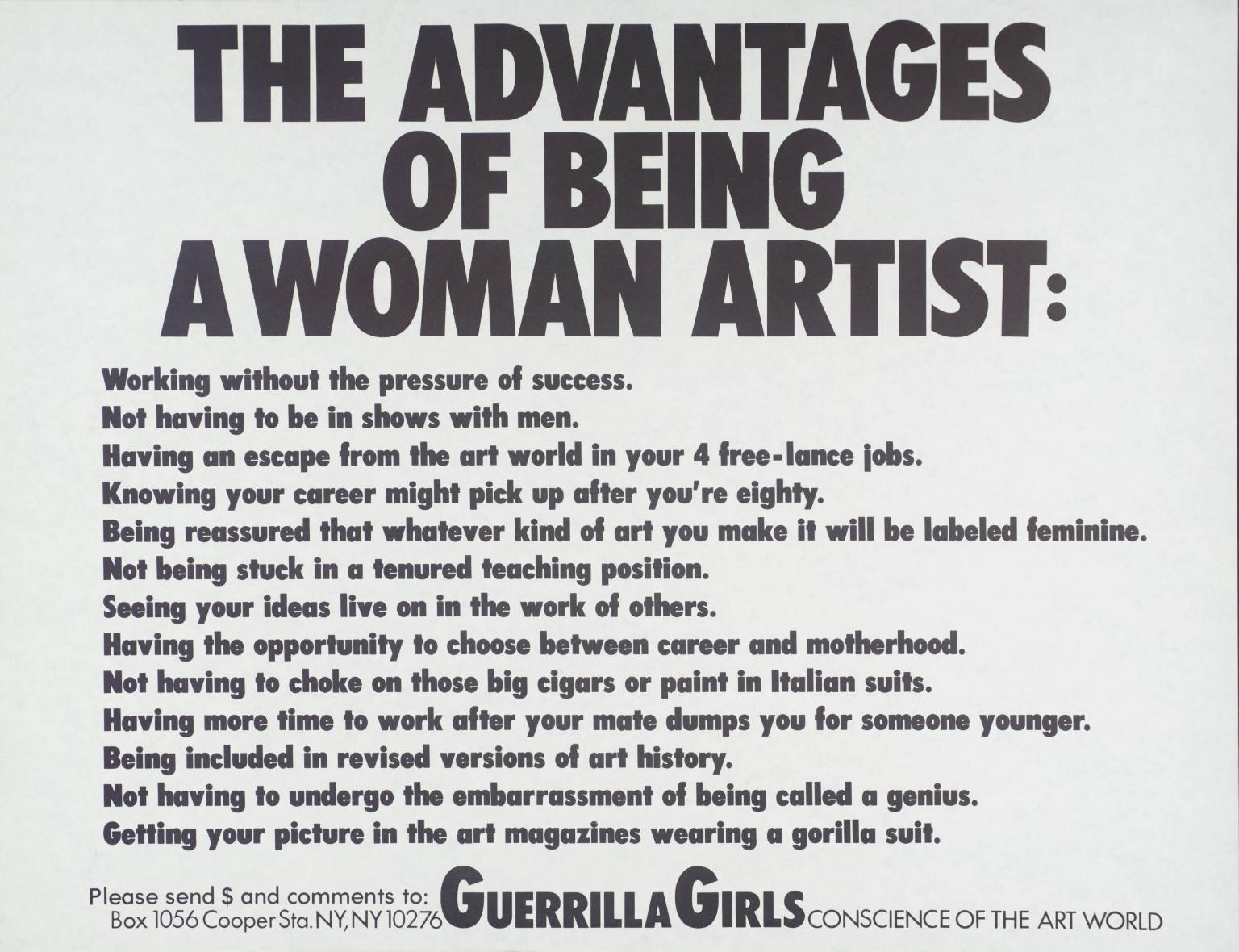
Kathryn Cutler-MacKenzie reflects on the seminal work, The Advantages of Being a Woman Artist, 1988, by Guerrilla Girls, and calls for women in the art world to be more politically engaged and active in their practise.
Toni Roberts discusses how Mona Hatoum’s radiant red sculpture, Hot Spot III, 2009, has become a relevant work of art during her time in lockdown and a metaphor for our cage-like existence.
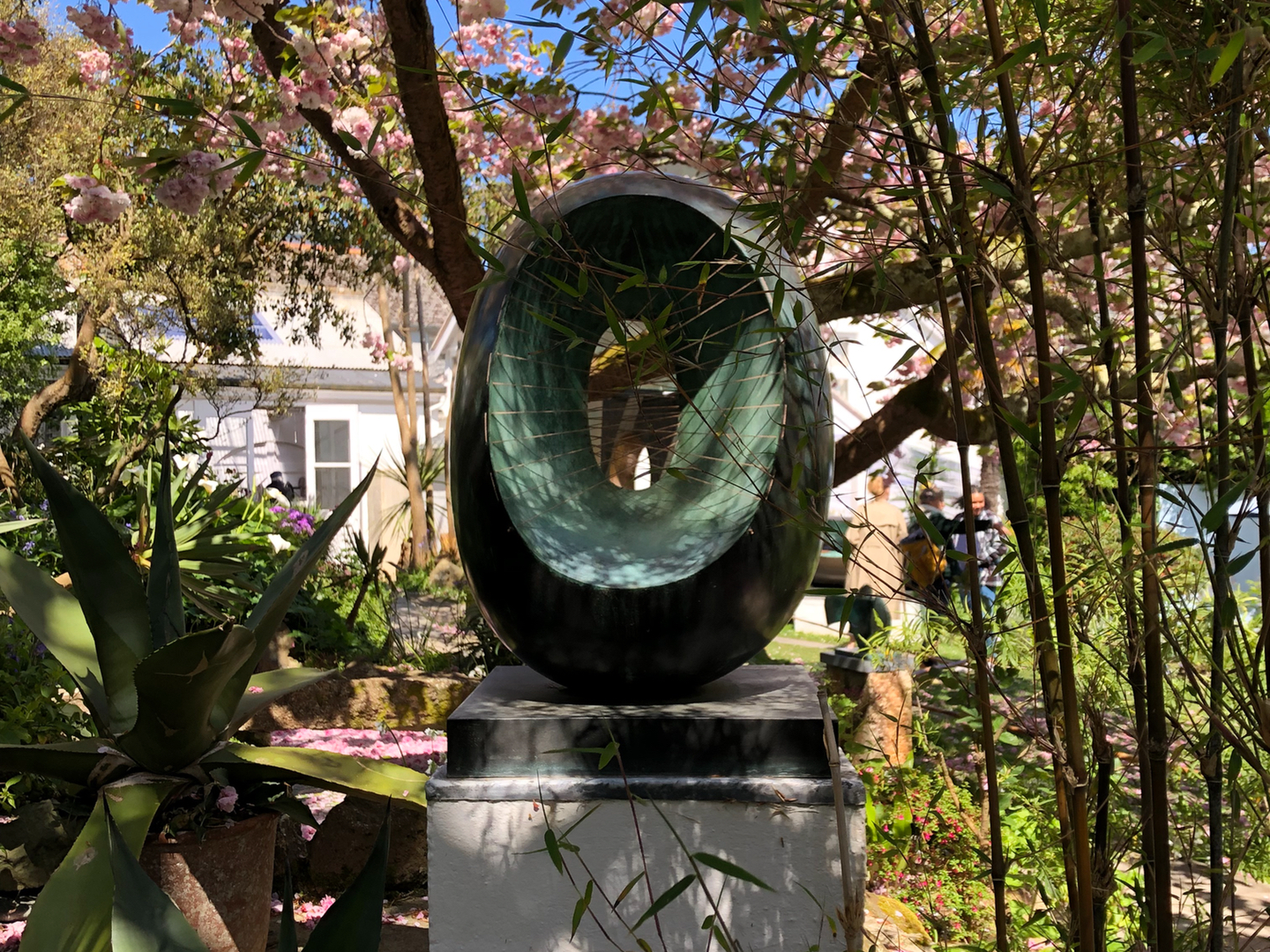
Emma West discovered Barbara Hepworth’s sculpture, Spring, 1965, at the beginning of what would become a pilgrimage of the sculptor’s work around the UK. Here, she reflects on Hepworth’s sculptures in situ, the importance of touch and having hope for life after lockdown.
On removing a postcard of Frida Kahlo from her wall, Rachel Ashenden began to reflect on past loves, the feelings postcards evoke and the liberation one can feel, even in lockdown, towards old relationships.
For the fourth piece in her continued series, Rochelle Roberts reflects on Dorothea Tanning’s monumental and transformative self-portrait, Birthday, 1942, and considers the prospect of the end to coronavirus.
In her third piece from a self-conceived series, Rochelle Roberts reflects on Eileen Agar’s Angel of Anarchy, 1936-40, a striking and evocative object that embodies current feelings of sadness, inaccessibility and loneliness.
In these times of social distancing and remote learning, visual art can still offer us consolation. Here, as part of her second piece in a rolling self-conceived series, Rochelle Roberts reflects on Dorothy Cross’ sculpture, Virgin Shroud, 1993.
During these times of self-isolation and remote learning, visual art can still be a source of inspiration. Here, Rochelle Roberts reflects on Claude Cahun’s notable work, Self-Portrait (as weight trainer).
In Alice Procter’s new book, The Whole Picture, Sumaya Kassim finds a smart, accessible and brilliantly structured work that encourages readers to go beyond the grand architecture of cultural institutions and see the problematic colonial histories behind them.