Blood and Cord brings a multiplicity of voices together to explore and celebrate the diverse experiences of parenthood. From the raw bodily sensations of baby rearing to the immanence of beauty in the everyday, this anthology captures it all, writes Rym Kechacha.
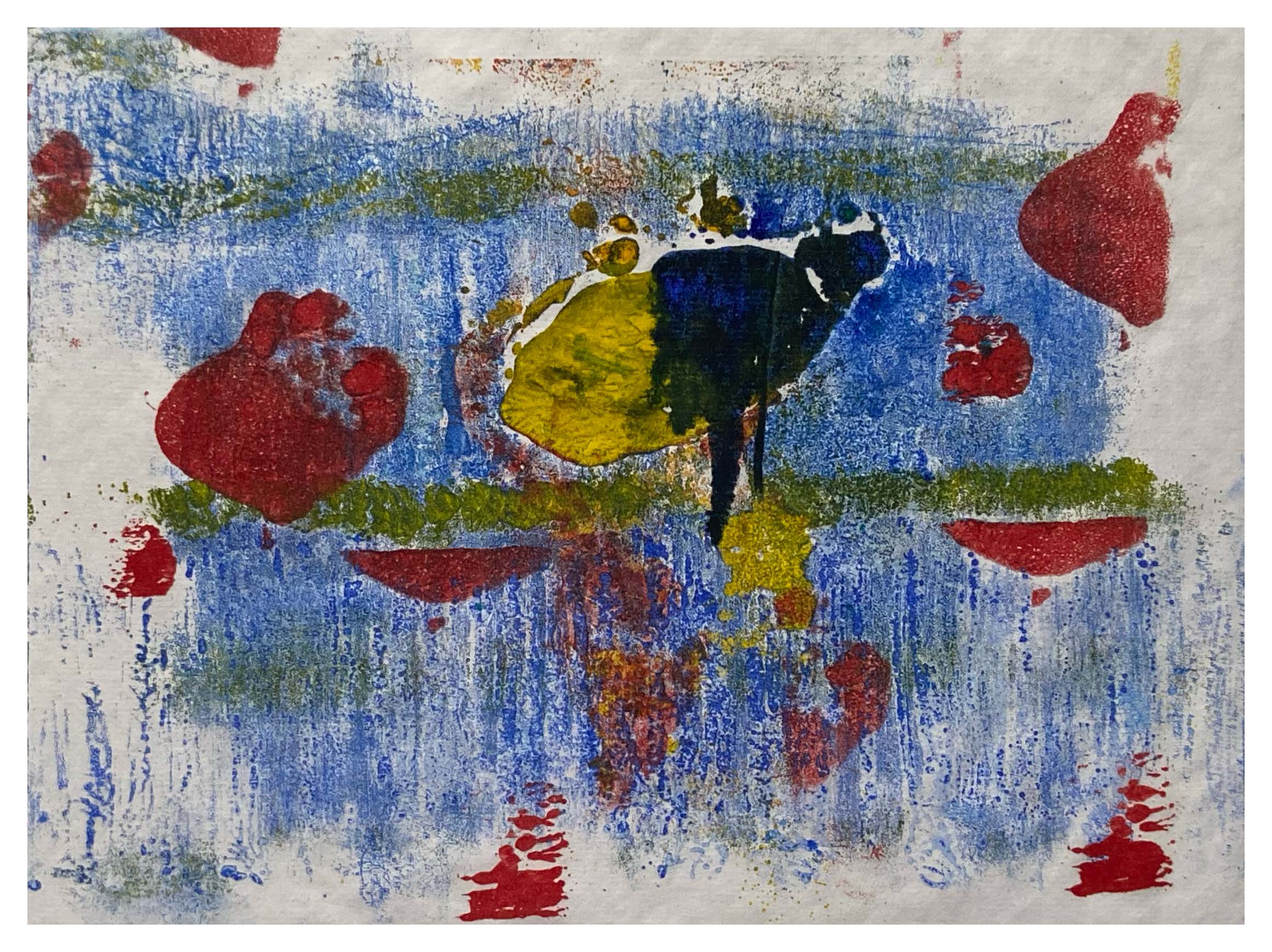
In this beautifully meditative essay, Emma Jones reflects on Ithell Colquhoun’s painting, Scylla, the artist’s links to British Surrealism and how seeing the body as landscape takes us beyond our narrow borders into new realms of personal and collective freedom.
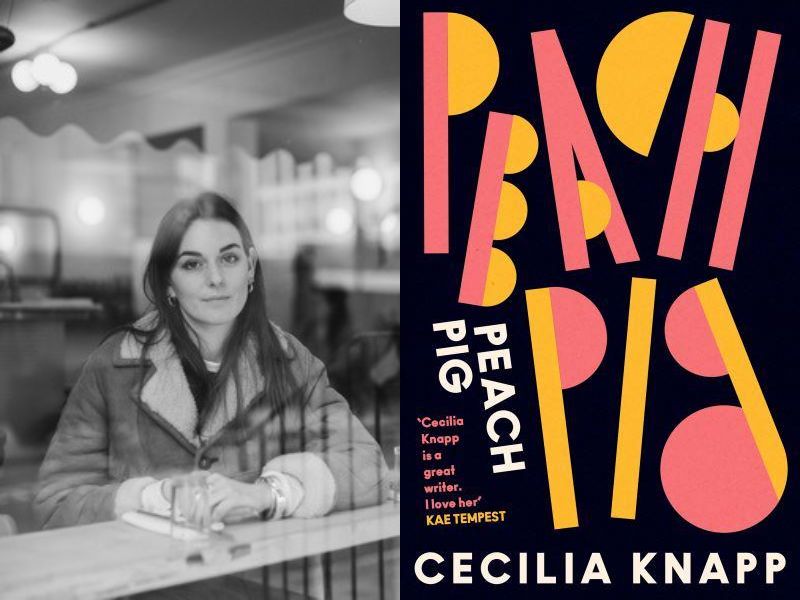
Peaches and pigs, softness and hunger, all crop up and are used to explore women’s relationships to their bodies in Cecilia Knapp’s raw and remarkable collection, Peach Pig, writes our contributor Seraphina Edelmann.
In Louise Mather’s short yet sublime poetry, the body is in turns a miracle immaculately conceived and mirrored before its speaker and an open wound, bloody for all to see.
Acclaimed author Savala Nolan talks to Hannah Hutchings-Georgiou about her latest collection of essays, Don’t Let It Get You Down (The Indigo Press), navigating interstitial spaces and identities, the ubiquity of violence to women, imagination as a vital tool to access African American history and life writing as a form of cartography for readers.
Grief and the motions of menstruation meet in this cyclical exercising (and exorcising) of loss and longing for an absent mother in Sevinç Çalhanoğlu’s beautiful and poignant poem, ‘Mourning Yoga’.
In this gorgeously vivid and whiplash smart short story, Paula Coston plunges us into the world and bodily experiences of Maggie Chine, a 70-year-old woman who continues to live life to its fullest.
Five writers – Nasim Marie Jafry, Laura Elliott, Henry Anderson, JP Seabright and Louise Kenward – discuss what it’s like to write with M.E. and how chronic illness has forced them to discover new modes of understanding, new forms of expression, new realms of imagination (as edited by author Katy Wimhurst).
Faiqa Mansab discusses the prejudice and oppression – patriarchal, Islamophobic and colonial – that Muslim women face the world over and asks for a form of feminism which centres their needs and experiences too.
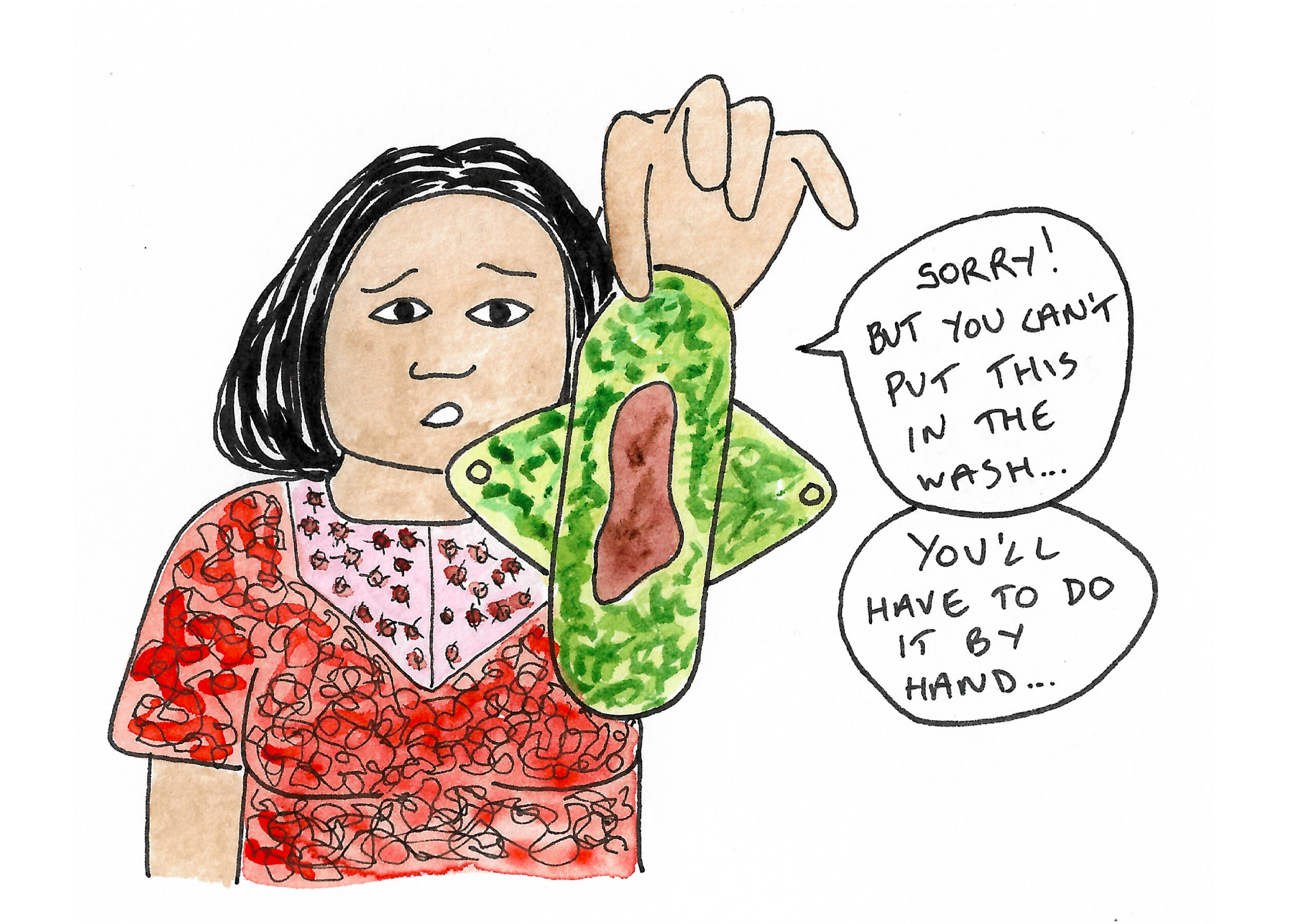
Though adorable in shape and size, Oriana Rose’s As I Fall Apart is anything but. Packing a necessary punch when discussing contraceptives, menstruation and gender, Rose and Natasha Natarajan’s stunning work problematises all three in the pursuit of liberation.
Hannah Hodgson’s latest collection of poetry, 163 Days, powerfully bridges the gap between body and mind, the lived experience of disability and the medical establishment’s version of it, writes our reviewer Clare Moore.