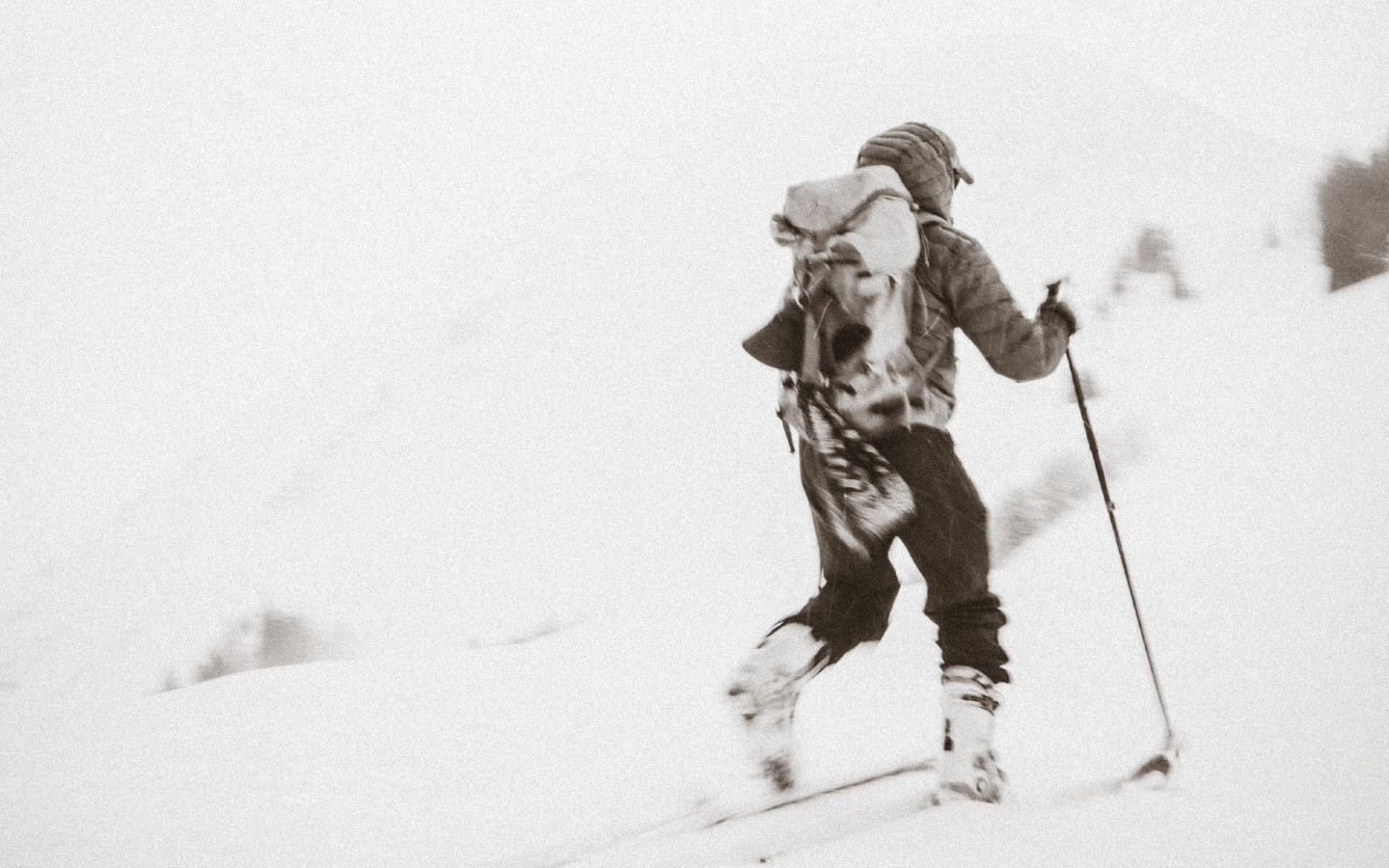
Skiing down the snowy mountains of Virginia, Clare Moore learned to explore, to venture, to extend the limits of the possible and confront what Simone de Beauvoir once termed as the ‘timidity’ inhibiting women physically to be in the world.
Dorothy Wordsworth’s journals shine with moonlight and rain-washed landscapes, but did her later illness inhibit such vision? No, writes Iona Glen, who, when considering the poetry and criticism of Polly Atkin, sees Wordsworth’s creativity flourish in her periods of ill health.
A young woman slowly unravels during lockdown when compulsively chronicling her own body’s deterioration in Ramya Jegatheesan’s stunning short story, ‘Emanance’.
In this moving and powerful piece, Author Ayo Deforge discusses bodily agency, freedom of choice and consent, and the French state’s unrelenting control over citizens’ bodies during the pandemic.
In her essay, author Katy Wimhurst explores how the experience of chronic illness challenges established (and often ableist) conventions of storytelling, opening up fiction – and indeed language itself – to new, imaginative possibilities.
Bodies traverse histories, tap into memories and are saturated with feelings and experiences in Loranne Vella’s superb short fiction collection, WhatWill It Take For Me To Leave, translated by Kat Storace.
Artists Kat Cutler-MacKenzie and Ben Caro discuss their collaborative work, O.o.o.h! , a semi-pedagogic, semi-absurd investigation into the menstrual cycle inspired, in part, by the thought of philosopher Graham Harman and the photographs of Rafal Miłach.
In this creative, collagic essay, Kathryn Cutler-MacKenzie writes with and through the words of Virginia Woolf, Hélène Cixous and Julia Kristeva to convey the freedom of writing and kinship felt when reading their works.