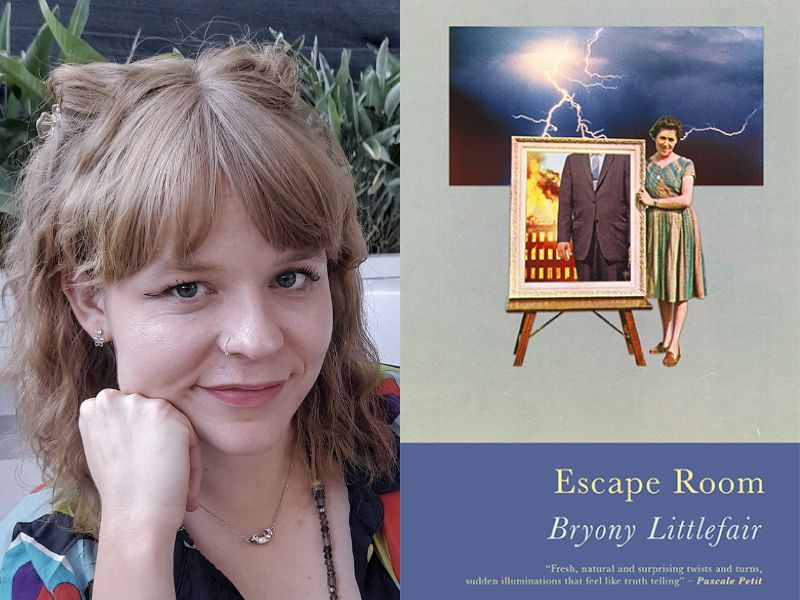
In Bryony Littlefair’s poetic exploration of the everyday, the dreaded dinner party or 9-5 grind are brilliantly subverted to an absurd extreme exposing the anxieties and struggles experienced by all in a capitalistic, corporately ruled society.
Our writer Georgia Poplett talks to scientist and author Dr Pragya Agarwal about what led her to write her latest book, Hysterical, the damaging history of gendered emotions, representation in data, subverting the classics and why the (feminist) future is bright – and furious!
Creating a ‘fine latticework of sentiment and language’, Pramila Venkateswaran’s latest poetry collection, We are Not a Museum, resurrects place and memory to become a powerful sthalapurana for the city of Kochi and the lives of the Jewish peoples in it.
Vartika Rastogi talks to acclaimed author Ashley Nelson Levy about her debut novel Immediate Family, the literary tropes and cultural narratives around adoption, motherhood, the body and female desire since the overturning of Roe v Wade.
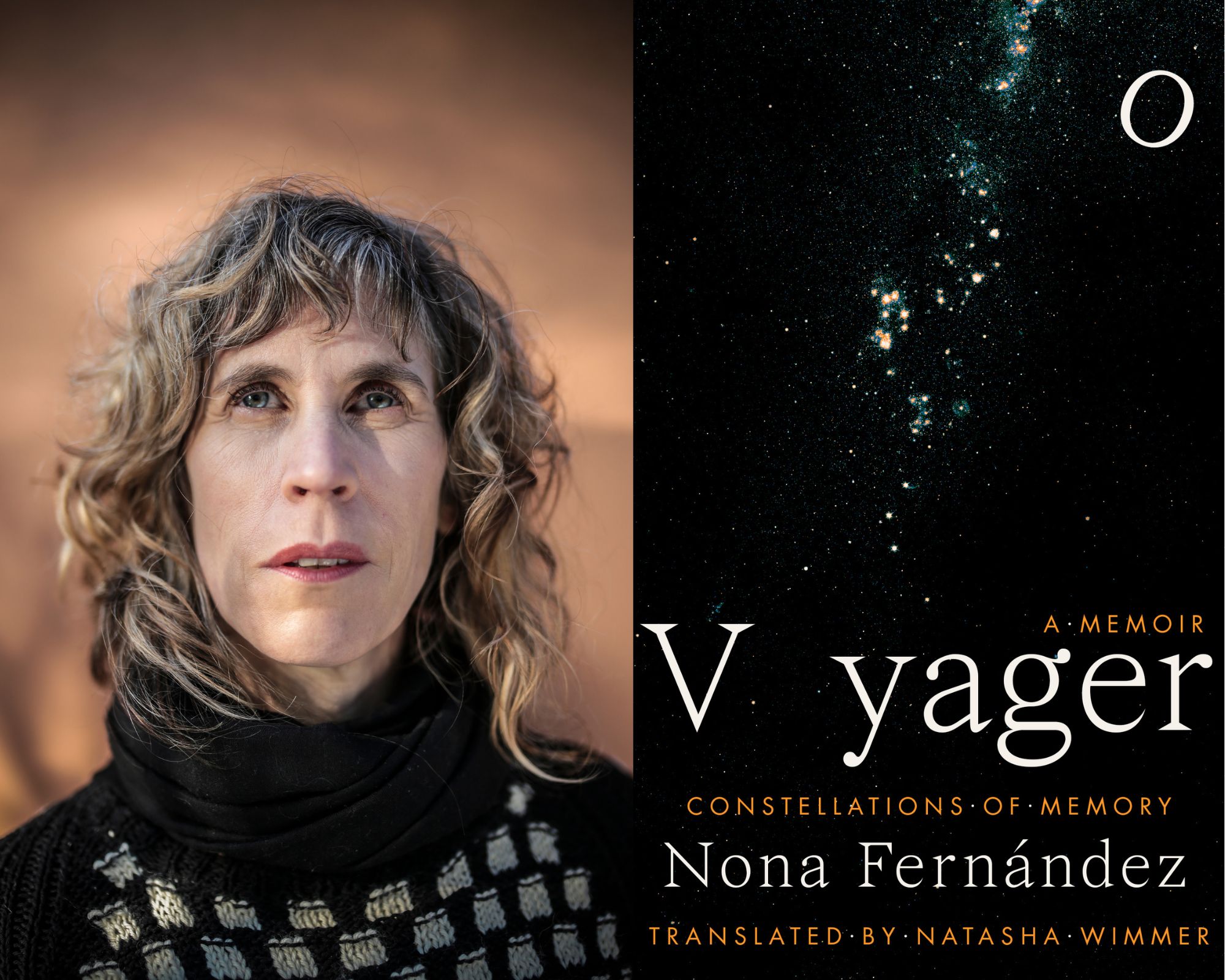
Nona Fernández’s new book, Voyager: The Constellations of Memory, translated by Natasha Wimmer, combines astronomy’s physics with astrology’s storytelling to express the importance of memory, family and record-keeping.
The nuances and complexities of a troubled mother-daughter relationship are beautifully rendered in this short story, adapted from Laetitia Erskine’s novel Women on Women.
Bhanu Kapil’s award-winning poetry collection, How to Wash a Heart, argues for our essential and shared vulnerability as a global society, a keener acceptance of our physical, mental and cultural differences, and a more humane and humanistic social discourse, writes poet and scholar Basudhara Roy.
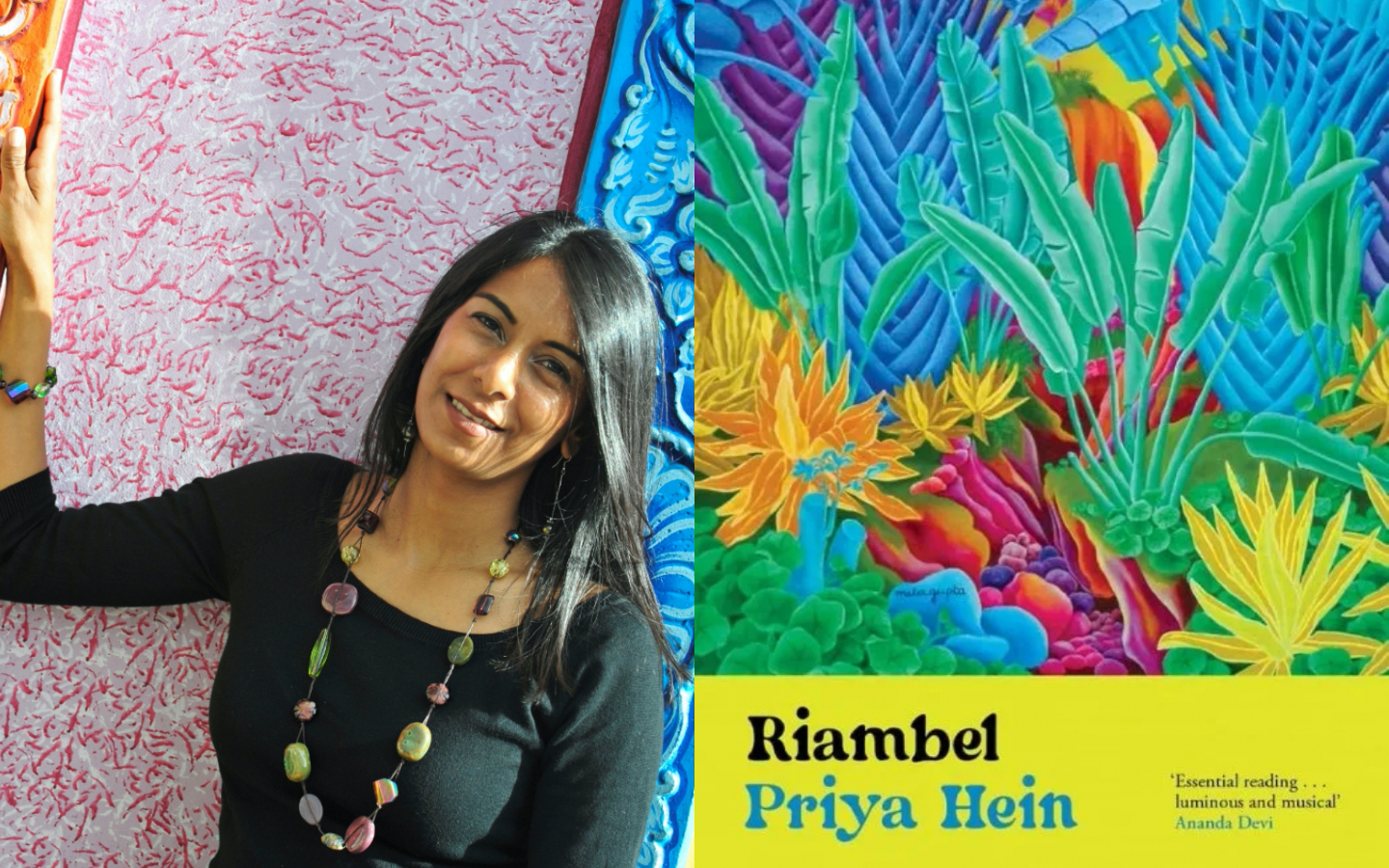
Priya Hein’s poetic, visceral novel addresses the devastating legacies of slavery, racial injustice and economic disparity in Mauritius, layering the stories of fifteen year old Noemi and those of her enslaved ancestors to lay bare the brutal realities of colonialism, writes Laetitia Erskine.
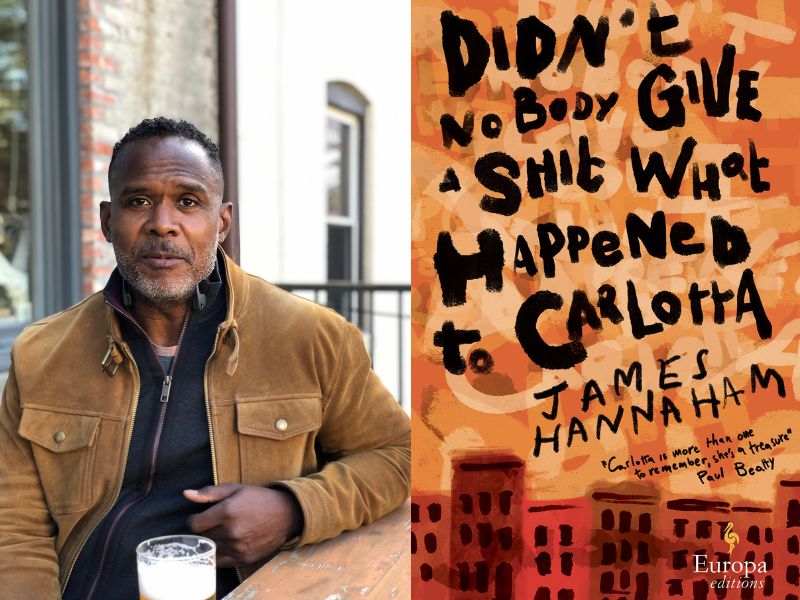
Hilarious, heartbreaking and unapologetically original, James Hannaham’s Joyce-inspired odyssey of a novel centres trans heroine Carlotta Mercedes and her experience of ‘re-entering society’ after 22 years of unjust incarceration.
In their new collection Machinations, Kinneson Lalor and JP Seabright take inspiration from Alan Turing and the world of artificial intelligence, creating poems that are conversations not only between two poets, but between poet and machine. Here, they share their experiences when working on the collection, along with some of the resulting poems.
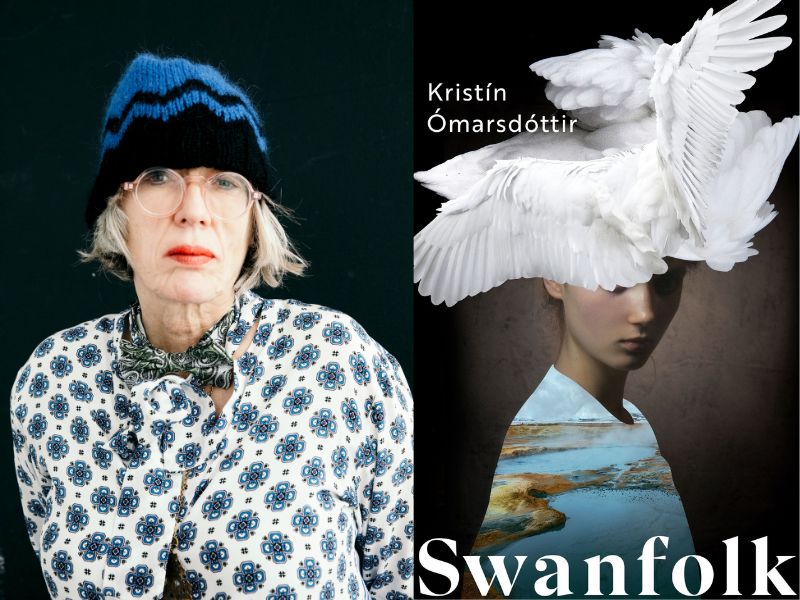
This slim poetic prose novel by Kristín Ómarsdóttir and translated by Vala Torodds takes on larger-than-life themes in a world where the imagination bleeds into reality.