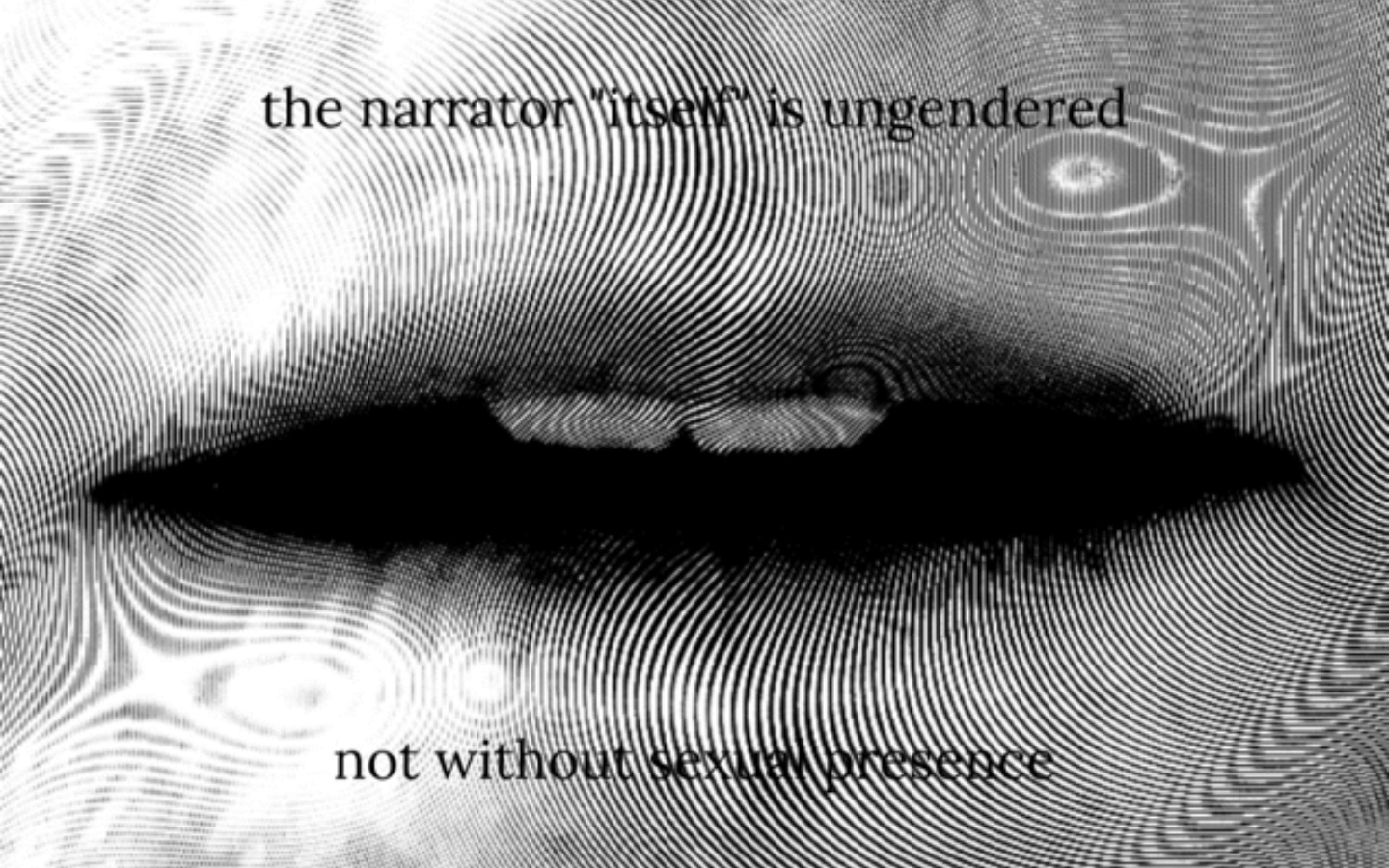
Rym Kechacha talks to author and academic, Davina Quinlivan, about her new creative non fiction work, Shalimar, honouring the stories of her family, connecting with people through literature, writing auto-fiction, and the power of speaking from a place of otherness.
Awaeke Emezi’s latest novel is a romance with a difference. Slowly unfolding the narrative with their characteristic poetic prose, Emezi gives us a story of love surviving grief, life after death, and sex by the sea.
Matwaala’s latest Poets of Colour series brings together four poets and one artist whose work explores the lands, rivers, culture and histories belonging to and inherited by contemporary Native Americans.
This year’s RA Summer Exhibition tackles the all too relevant theme of ‘Climate’ with wit, imagination, humour, awe and urgency, writes our contributor Emily Walters.
Nana Nkweti cleaves open worlds shaped by Cameroonian heritage and American individuality, deftly revealing complex cultural exchanges in these immersive, genre-bending short stories.
A sizzling novel to read in the heat, when you’re hungry for life, Jessica Andrews’ Milk Teeth explores what it means for women to take up space unapologetically and allow their needs – and desires – to be met.
JP Seabright captures the excitement and ‘gay abandon’ of queer love in ‘Life’s A Butch’ and treats us to a selection of gorgeous visual poems and collages from their upcoming collection, An Attempt At Exhausting An Undergraduate Essay.
Five writers – Nasim Marie Jafry, Laura Elliott, Henry Anderson, JP Seabright and Louise Kenward – discuss what it’s like to write with M.E. and how chronic illness has forced them to discover new modes of understanding, new forms of expression, new realms of imagination (as edited by author Katy Wimhurst).
A childhood teddy bear is the lens through which romantic and familial relationships are explored, in this darkly comic and tender short story by Laetitia Erskine.
Faiqa Mansab discusses the prejudice and oppression – patriarchal, Islamophobic and colonial – that Muslim women face the world over and asks for a form of feminism which centres their needs and experiences too.
In these immaculately crafted and powerful, polyphonic poems, Usha Akella issues a rallying cry for all women to unite, resist and fight the violence of the patriarchy.
A recurring dream featuring supermarket cheese aisles and knitting nurses circles around the same persistent question and painful realisation in Kerry Byrne’s tautly written and moving short fiction, ‘Miscarry’.