Sympathising with the marginalised, Lorca wrote spirited plays featuring aspirational but oppressed women who sought freedom, pleasure and solace under the cover of night. Here, in the first essay of her mini series, Toni Roberts explores Lorca’s rural trilogy, reflecting on his heroines’ relationship to the night – and day.
In the second of her self-conceived series, The Dinner Party Reloaded, a virtual dinner party with selected artists and writers, Susanna Crossman meets acclaimed authors Haleh Agar, Sara Collins and Irenosen Okojie to discuss their work, their love for fiction, anime, the poetry of Derek Walcott, Han Kang and Kei Miller, and much more.
Georgia O’Keeffe’s Grey Lines with Black, Blue and Yellow, c.1923, is a painting full of movement that captures the New Mexican skyscape and reminds us, as we adjust after lockdown, that we’ll be moving again soon too.
In Annie McDermott’s superb translation of Selva Almada’s journalistic novel, Dead Girls, the story of three young women murdered in 1980s Argentina asks how long will the world stand by and remain silent about violence to women?
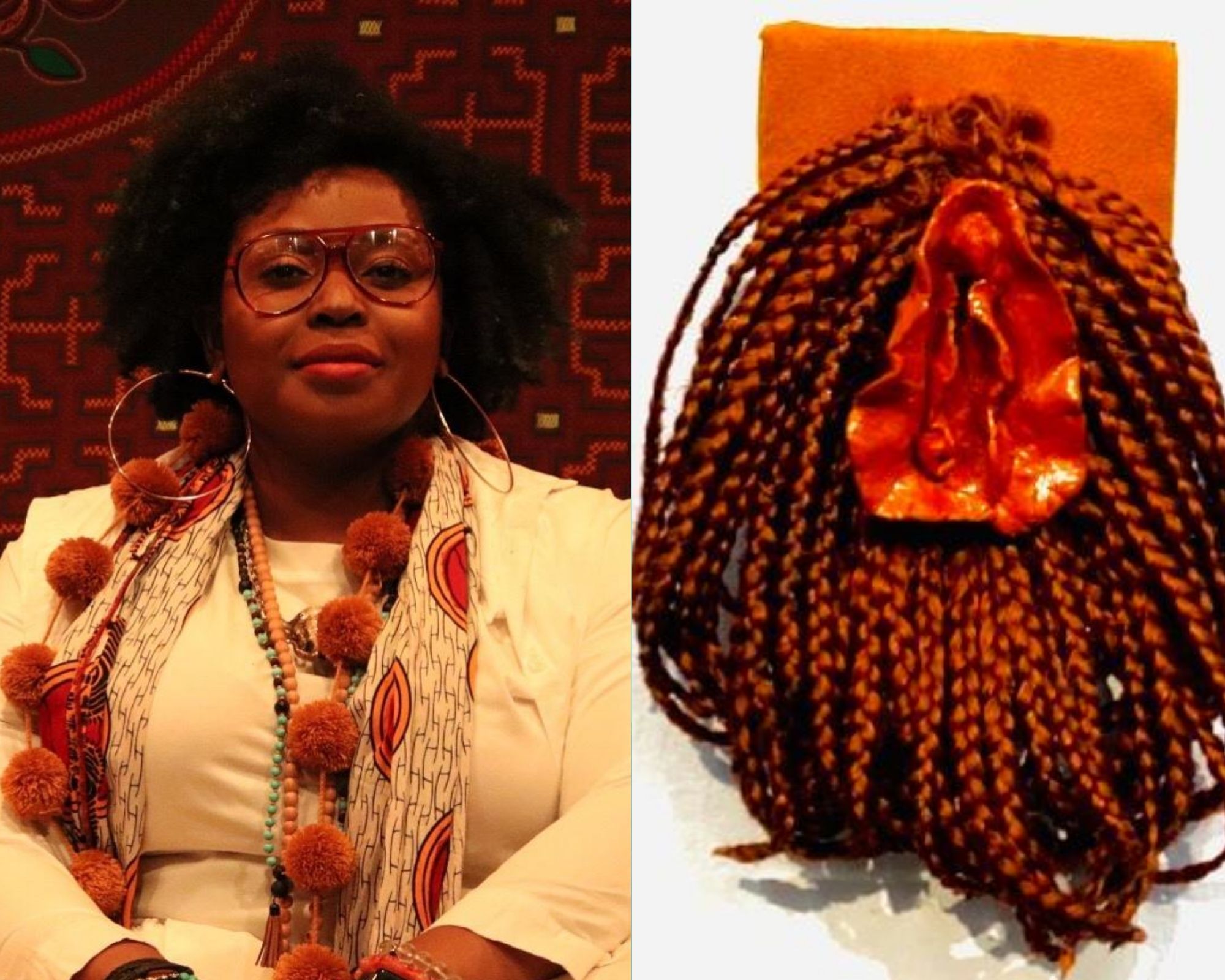
Majella Mark looks back to her own artwork, The Return, 2020, a celebration of African ancestry, and asks where can black men and women go to be safe in light of the murders of George Floyd and Ahmaud Arbery?
Ludovica Credendino remembers the difficulties of switching from Italian to English when writing creatively, and how she learned to fuse the two into her own unique language.
In Luchita Hurtado’s paintings, the nude female body is an affirmation of the self, a locus of solitude and personal care that reminds us to slow down and appreciate ourselves and others, writes Jennifer Brough.
Elodie Rose Barnes explores Europa28, Comma Press’ anthology of women’s writing on the future of Europe, and in a very special interview talks to two of its translators, Ruth Clarke and Katy Derbyshire about the anthology, the nuances of translation and the importance of translated stories in our time.
Kitty Becher takes inspiration from Atsuko Tanaka’s Electric Dress, 1956, a radical and daring work that speaks to our current anxieties and dependency on technology.
For Mileva Anastasiadou, speaking two languages has many advantages, but when it comes to writing, it is English that permits her to travel in a way her native tongue does not.
On a trip to Berkeley, California, Molly Gilroy discovered Sylvia Fein’s hypnotic and blazing work, The Painting Told Me What to Do, 2012, an image, which in postcard form, has given her hope during lockdown.