Comfortable in her mother tongue, Turkish, Selin Genc wasn’t prepared for how English would creep into her dreams, thoughts and conversations when moving to Scotland. Here, she talks navigating two languages, two worlds and enjoying the magical mixing of both.
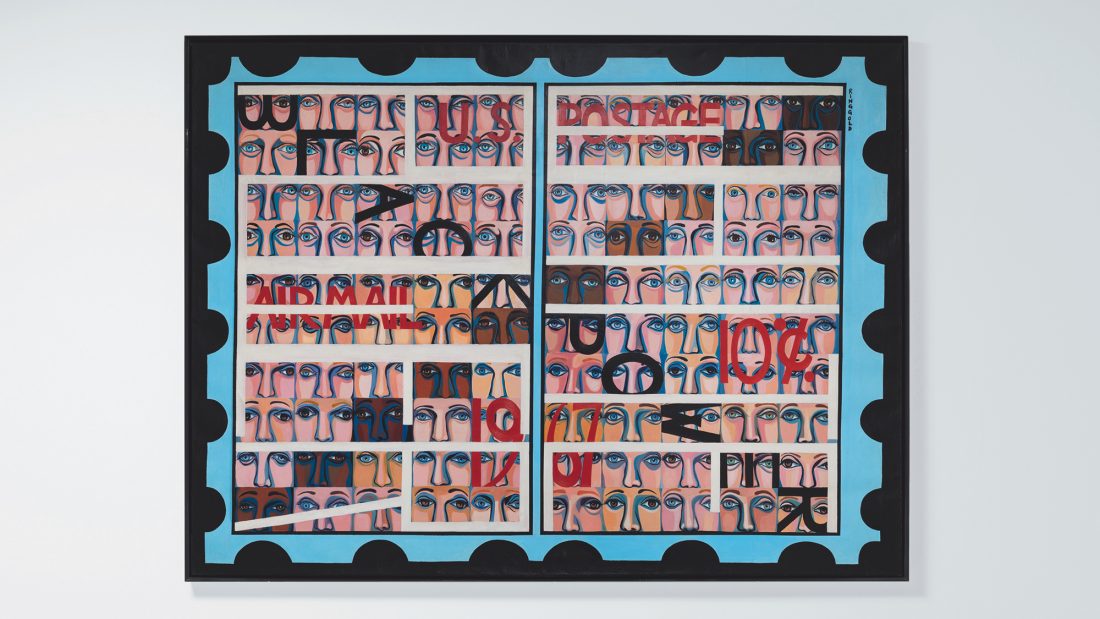
Faith Ringgold’s striking painting, #19 US Postage Stamp, 1967, captures the complexities of the Black Power movement in 60s America and the white supremacist structures African Americans were subject to. But it serves as a metaphor for our times too, writes Hannah Hutchings-Georgiou.
In her latest book, Sex and Lies, translated by Sophie Lewis, Leïla Slimani collects the sexual stories of Moroccan women from all walks of life to create a provoking, yet uplifting narrative.
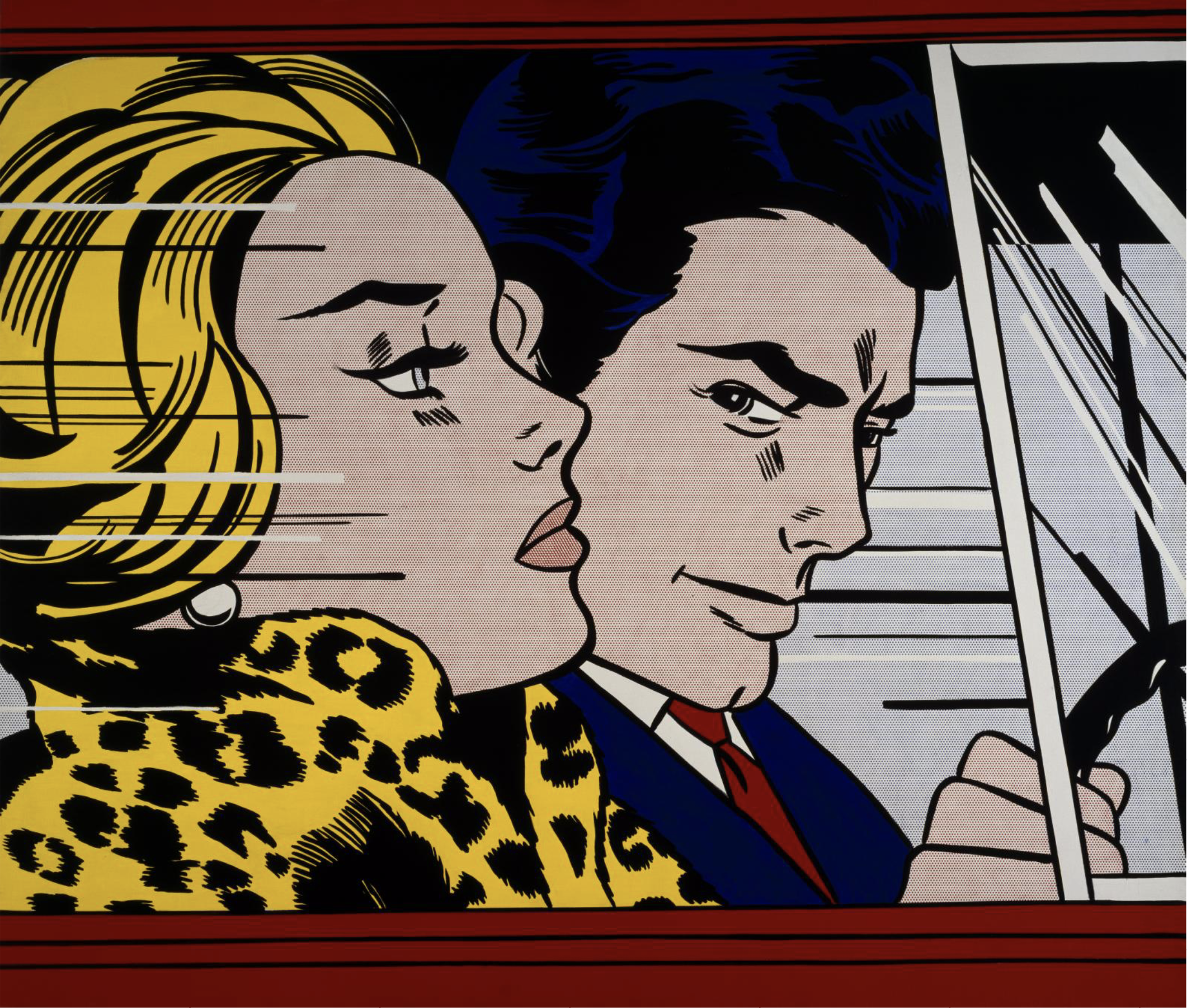
Rebecca Savage reflects on 60s Pop artist Roy Lichtenstein’s In the Car, 1963, a colourful work that reminds her of the pre-corona freedoms we’re no longer able to enjoy fully.
Frankie Dytor takes a close look at the image of the father in the Barbican Art Gallery’s extended run of their hit show, Masculinities: Liberation through Photography.
Emma Korantema marks the sixteenth Postcard of the series with Tyler Mitchell’s Untitled – Two Girls Embrace, 2018, which she sees as a celebration of black womanhood, Black freedom and looks to the achievability of a Black utopia.
Translation as a form of reading and the otherness we embrace within ourselves through translated works are explored in Elodie Rose Barnes’ second piece, as part of her Life in Languages series.
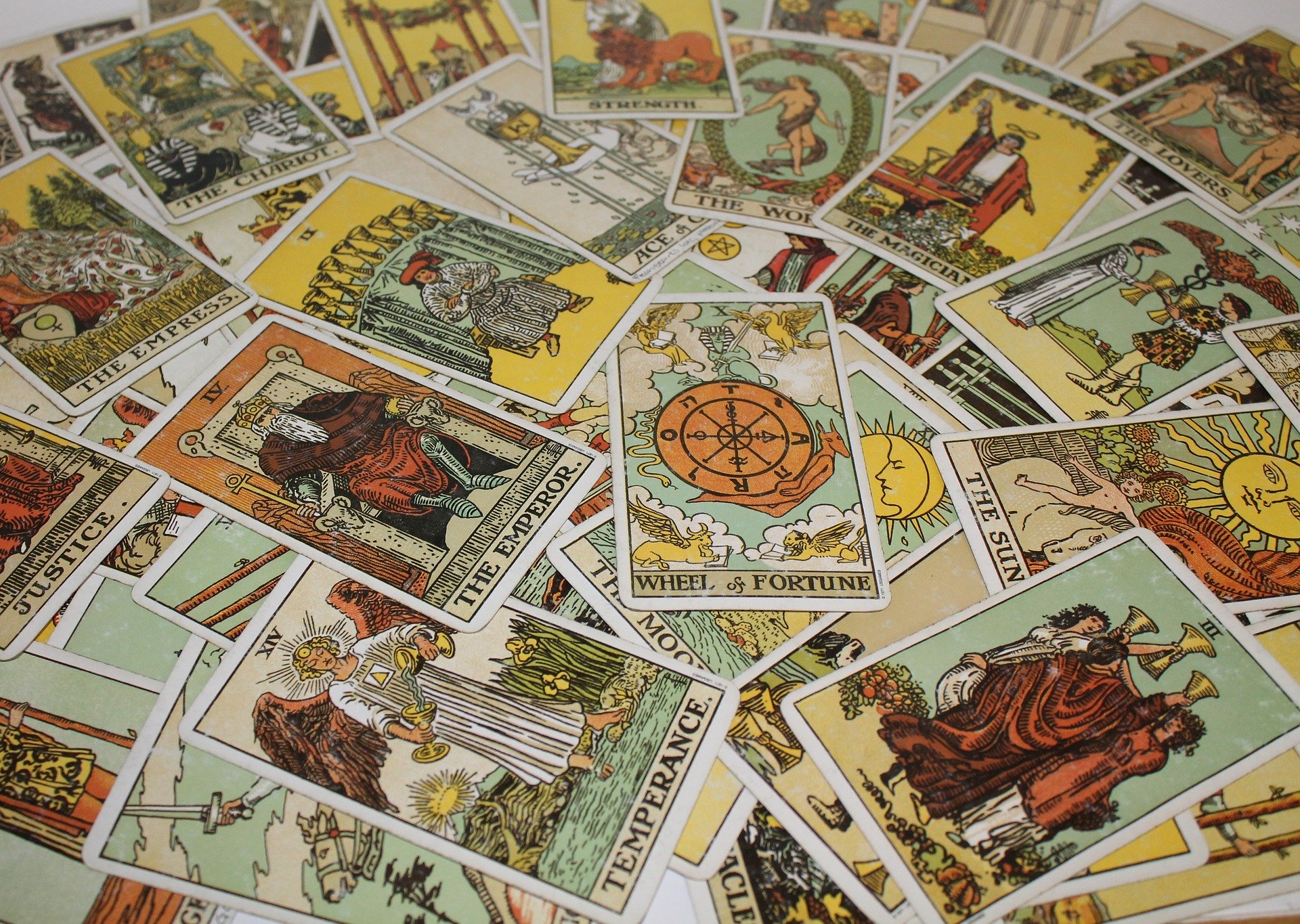
In the fifteenth Postcard of the series, Anna Kate Blair contemplates Pixie Colman-Smith’s designs for the Rider-Waite tarot deck and pays close attention to the Hermit, a card whose solitary figure resonates with our times.
In the first of her self-conceived series, The Dinner Party Reloaded, a virtual dinner party with selected artists and writers, Susanna Crossman meets Chiara Ambrosio, Lottie Whalen and Jemima Yong to discuss their creative projects, the looseness of time in lockdown, contact and intimacy in our increasingly digital age and the joys of chickpea stew.
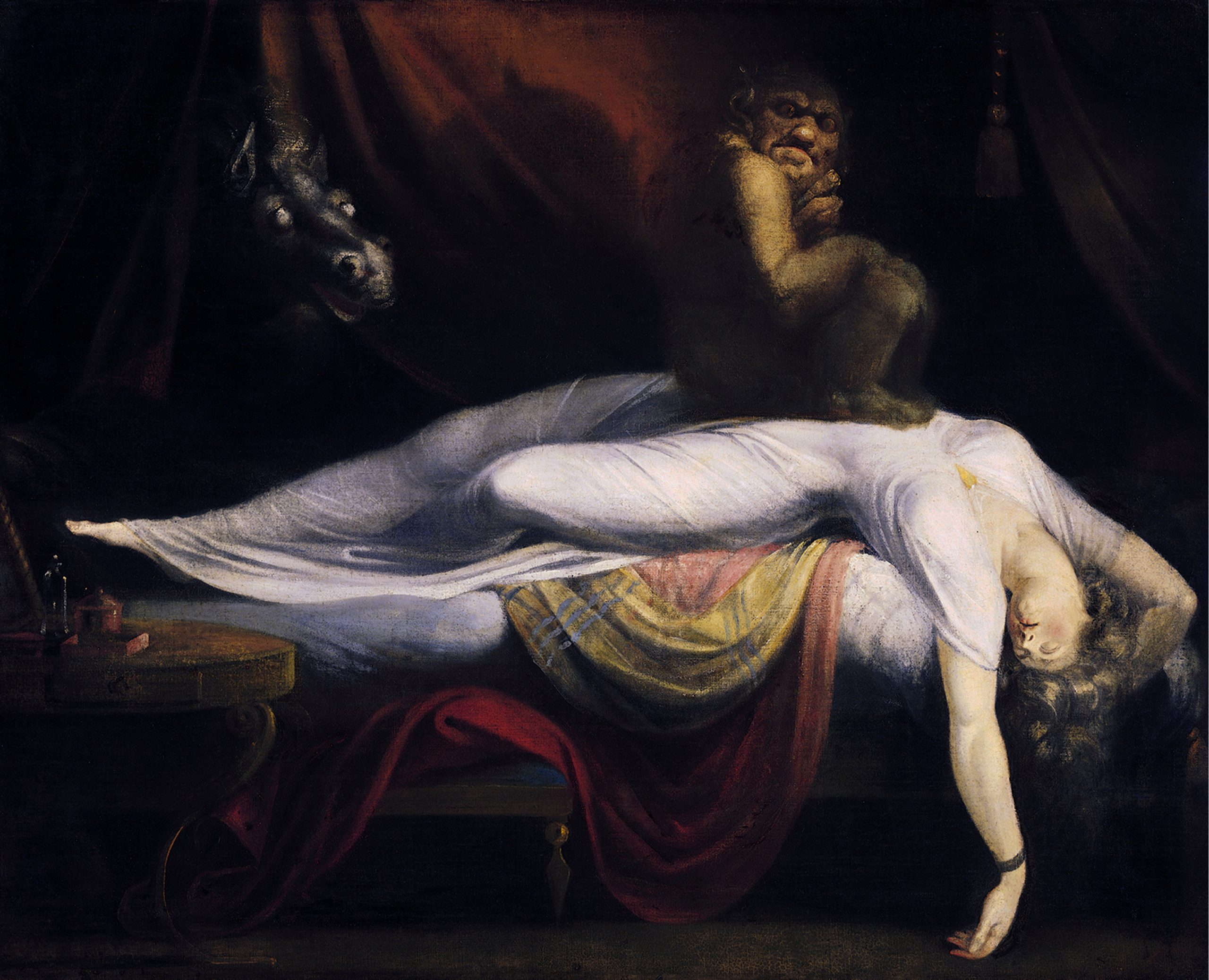
Delving into the rich traditions of gothic literature, sentimental fiction and old folk tales, Henry Fuseli’s The Nightmare, 1782, appears from another world. But not so, says Miriam Al Jamil, who recognises in the painting an awareness of human psychology foreshadowing that found in modern psycho-analysis, dream theory and psychiatry.
Chantal Thomas’ evocatively layered memoir, Memories of Low Tide, relates the complex, shifting relationship she has with her mother and their mutual love for swimming in the sea.
Reflecting on the life of Camille Claudel through Rodin’s 1884 bronze bust of the artist, Selin Genc considers her own experience of isolation and celebrates her autonomy even in the midst of lockdown.