In this first instalment of her self-conceived series, Life in Languages, Elodie Rose Barnes considers how texts in translation have made an impact on her life and writing, especially during lockdown, and sees the art of translation as a bridge in the era of physical distancing.
Looking at the New Mexico desert, Georgia O’Keeffe found a new home. In the thirteenth Postcard piece, Emily Garbutt considers O’Keeffe’s vivid, evocative painting, Black Mesa Landscape, New Mexico/ Out Back of Marie’s II, 1930, and asks when she will have the opportunity, post-lockdown, to survey a foreign landscape.
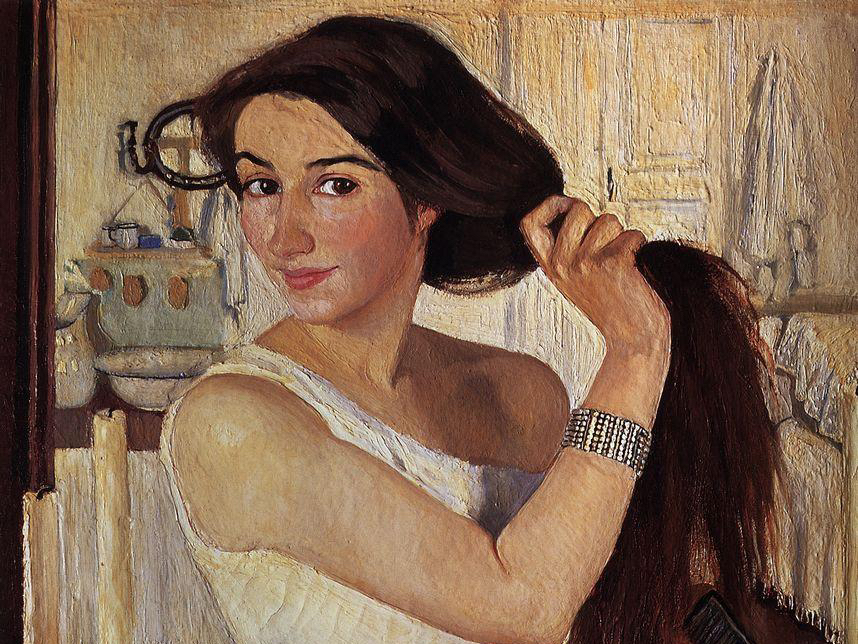
Sian Norris reflects on the female gaze as captured in Zinaida Serebriakova’s At the Dressing Table, 1909, and when looking at Dorothea Tanning’s Self-Portrait, 1944, she considers the lack of freedom we have during lockdown.
Saskia Vogel’s beautifully written debut, Permission, is about sex, power, and, yes, BDSM. But it’s also about grief, belonging and the healing that comes from such intimacy, writes our guest editor Elodie Rose Barnes.
Isabel Radford reflects on one of Frida Kahlo’s best known works, Self-Portrait with Thorn Necklace and Hummingbird, 1940, and sees the artist as a source of empowerment for our current times.
Dancer, singer, actress, activist and spy: Josephine Baker took both the stage and lectern by storm, as beautifully and boldly conceived in Catel and Bocquet’s graphic novel. But when it comes to her queer relationships they’re decidedly silent, writes our reviewer Gabriela Frost.
In Otto Dix’s Portrait of the Journalist Sylvia von Harden, 1926, Lottie Whalen sees both an insouciant New Woman and Dix’s embodiment of a dangerously dissolute era. Recalling a recent encounter with the painting in Paris, she reflects on the freedoms we stand to lose in the time of Covid-19.
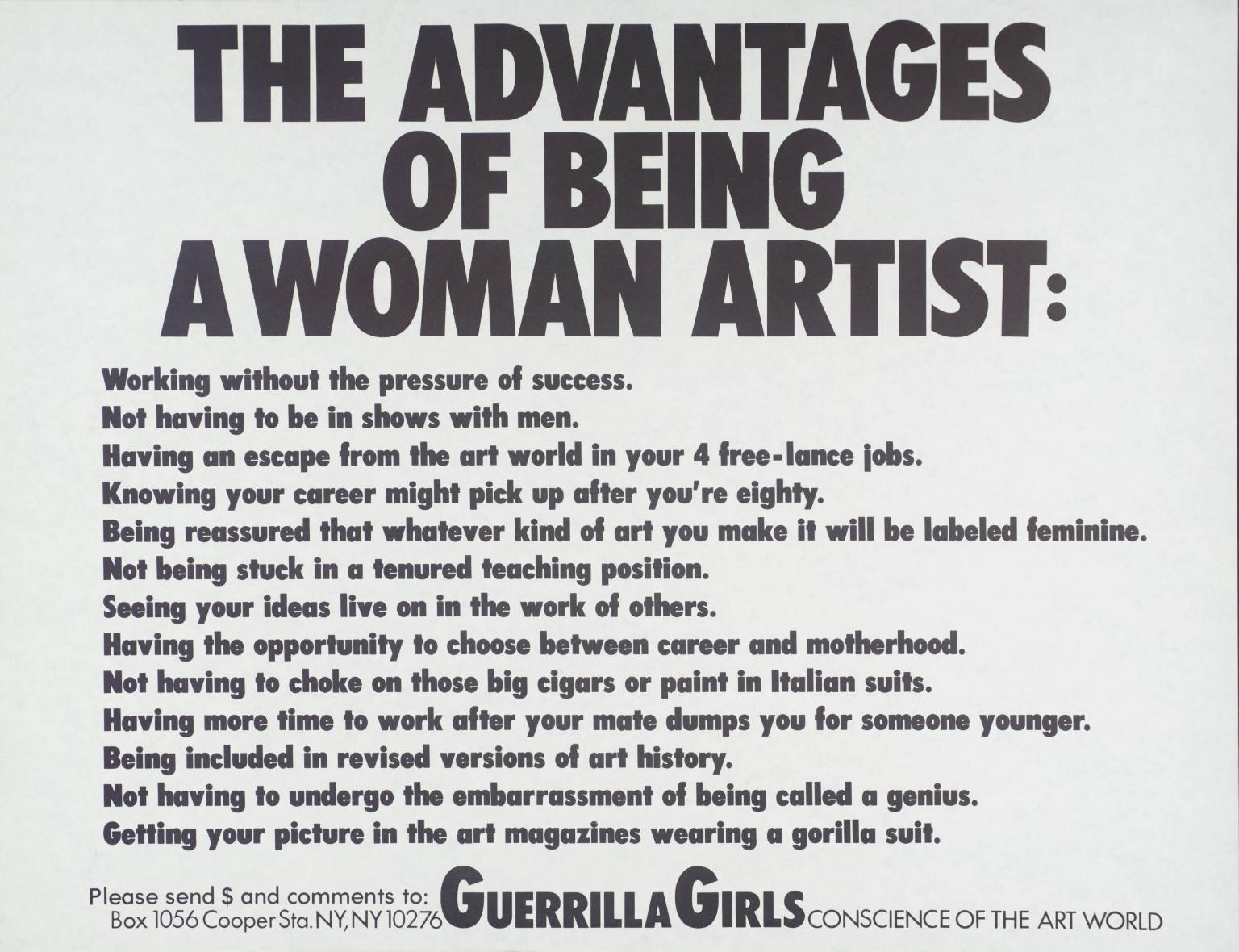
Kathryn Cutler-MacKenzie reflects on the seminal work, The Advantages of Being a Woman Artist, 1988, by Guerrilla Girls, and calls for women in the art world to be more politically engaged and active in their practise.
Kim Sherwood, award-winning author of Testament, talks to Miriam Al Jamil about her debut novel and its origins, her creative process and her exciting second novel.
Toni Roberts discusses how Mona Hatoum’s radiant red sculpture, Hot Spot III, 2009, has become a relevant work of art during her time in lockdown and a metaphor for our cage-like existence.
In her latest work of creative non-fiction, award-winning author Irenosen Okojie explores the rich legacy of hope and life handed down through her mother and grandmother. In hauntingly beautiful prose, Okojie reflects on how past events can offer light and healing in present times of difficulty.
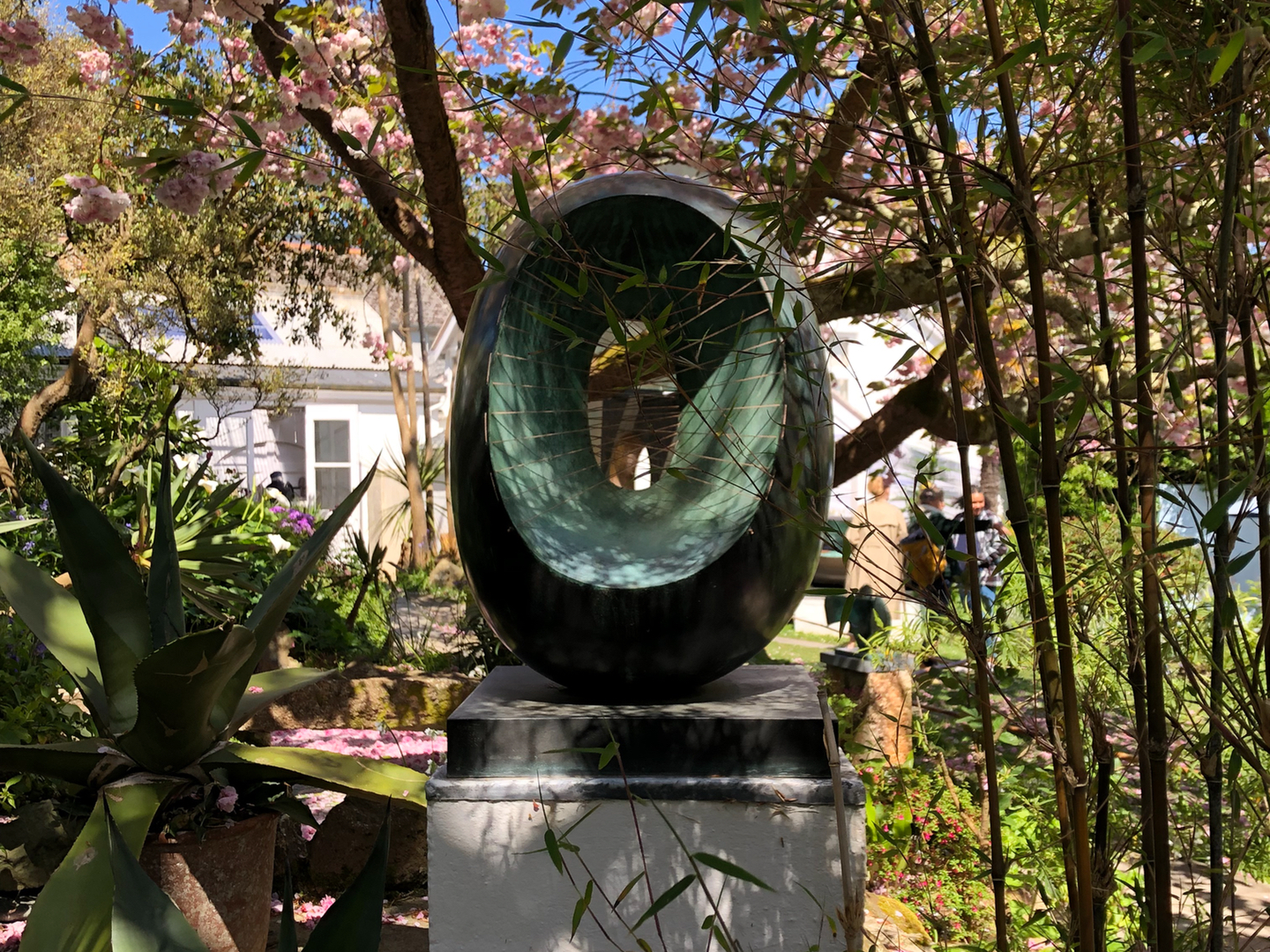
Emma West discovered Barbara Hepworth’s sculpture, Spring, 1965, at the beginning of what would become a pilgrimage of the sculptor’s work around the UK. Here, she reflects on Hepworth’s sculptures in situ, the importance of touch and having hope for life after lockdown.