In Louise Mey’s beautifully written psychological thriller, The Second Woman, a grieving ‘crying’ man is not what he seems – and neither is the story of his missing wife.
In Juliet Jacques’ compelling, subversive and vital debut collection of short stories, trans history and the myriad forms of the lived transgender experience are vividly and powerfully conveyed.
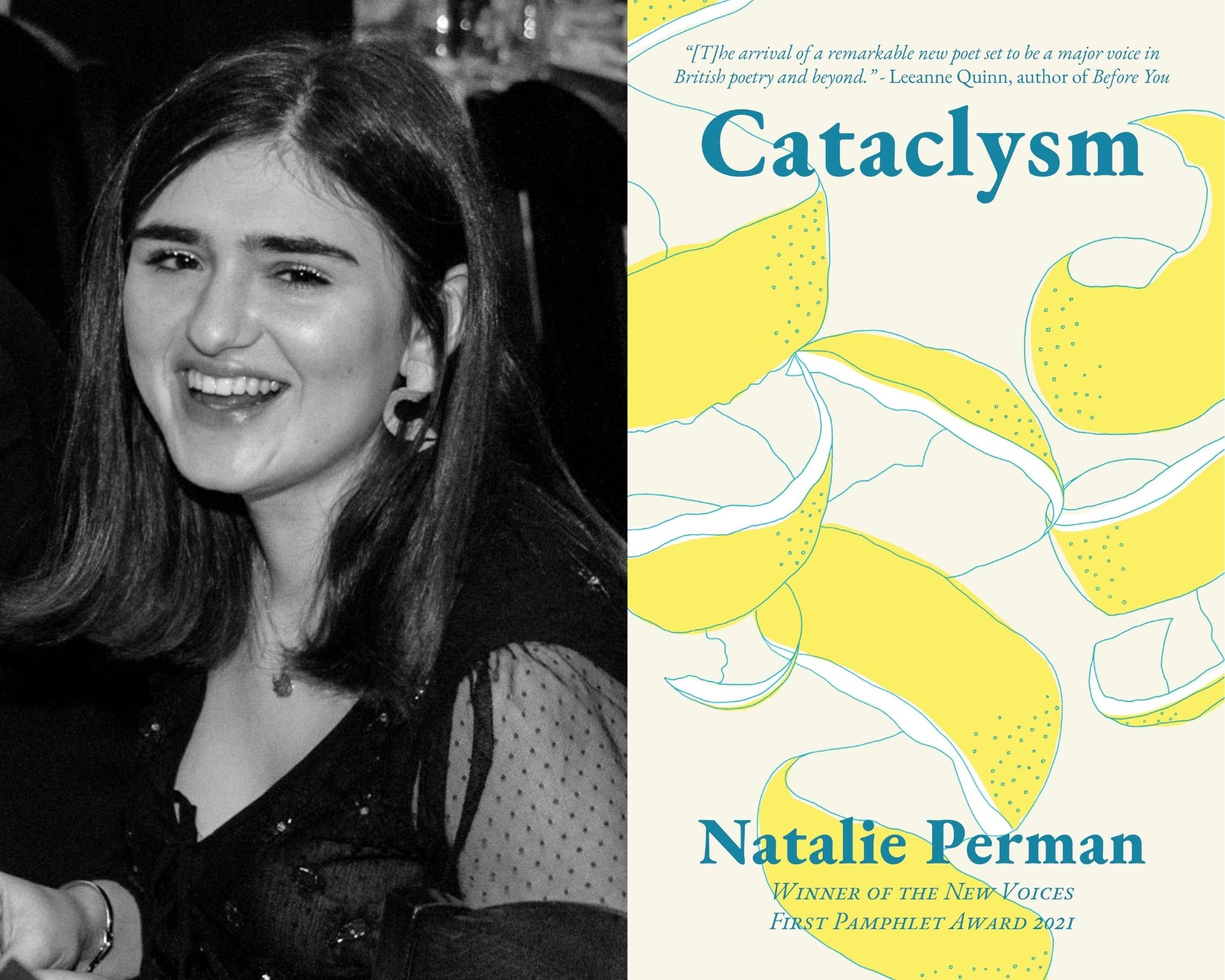
Natalie Perman’s impressive debut poetry collection, Cataclysm, hails a new literary voice, one that deftly crosses multiple zones of experience and carefully explores the fragmentation of the Jewish diasporic experience.
Shamini Sriskandarajah talks to author Gemma Seltzer about her new short story collection Ways of Living and its themes of female friendship, religion, and the city.
Rym Kechacha reviews The Books of Jacob: a wonderful, huge and complex book that asks the reader to “turn our gaze away from the simple”, and instead embrace flux, transformation, and narrative that “sprawls like a great tree’s roots”.
Shameera Nair Lin talks to the National Poetry Prize winning poet Marvin Thompson about his musical inspirations, exploring British colonial violence and racism in his work, the lack of representation in nature writing and conquering poetic forms like the villanelle.
Our BAROQUE guest editor, Frankie Dytor, experiences a rush of dizzying and disorientating pleasure when reading two of Cipher Press’ books of fiction, Jess Arndt’s Large Animals and Alison Rumfitt’s Tell Me I’m Worthless.
Anna Kate Blair talks to author Sara Jaffe about why Dryland is an anti-coming-out novel, writers who have influenced her work, being published by the Queer UK-based Independent publisher Cipher Press, leaning into the awkwardness of writing about adolescence, music and much more.
In Jayna Brown’s Black Utopias, Emma Korantema discovers that the speculative practices and philosophies of Black creatives destabilise current understandings of the ‘human’, ‘knowledge’ and ‘existence’, instead redefining them and envisaging futures past from the privileged position of the periphery.
Elodie Barnes talks to poet, translator, and writer, Priya Sarukkai Chabria, about her revisioning of Rabindranath Tagore’s Gitanjali, mystical poetry, transformation and translation, and writing as an act of devotion.
In this striking essay, Selin Genc reviews Ewa Majewska’s ‘Feminist Antifascism’, and considers Majewska’s inspirational arguments for a “flexible, inclusive and inventive” feminism in the context of recent events in Turkey.
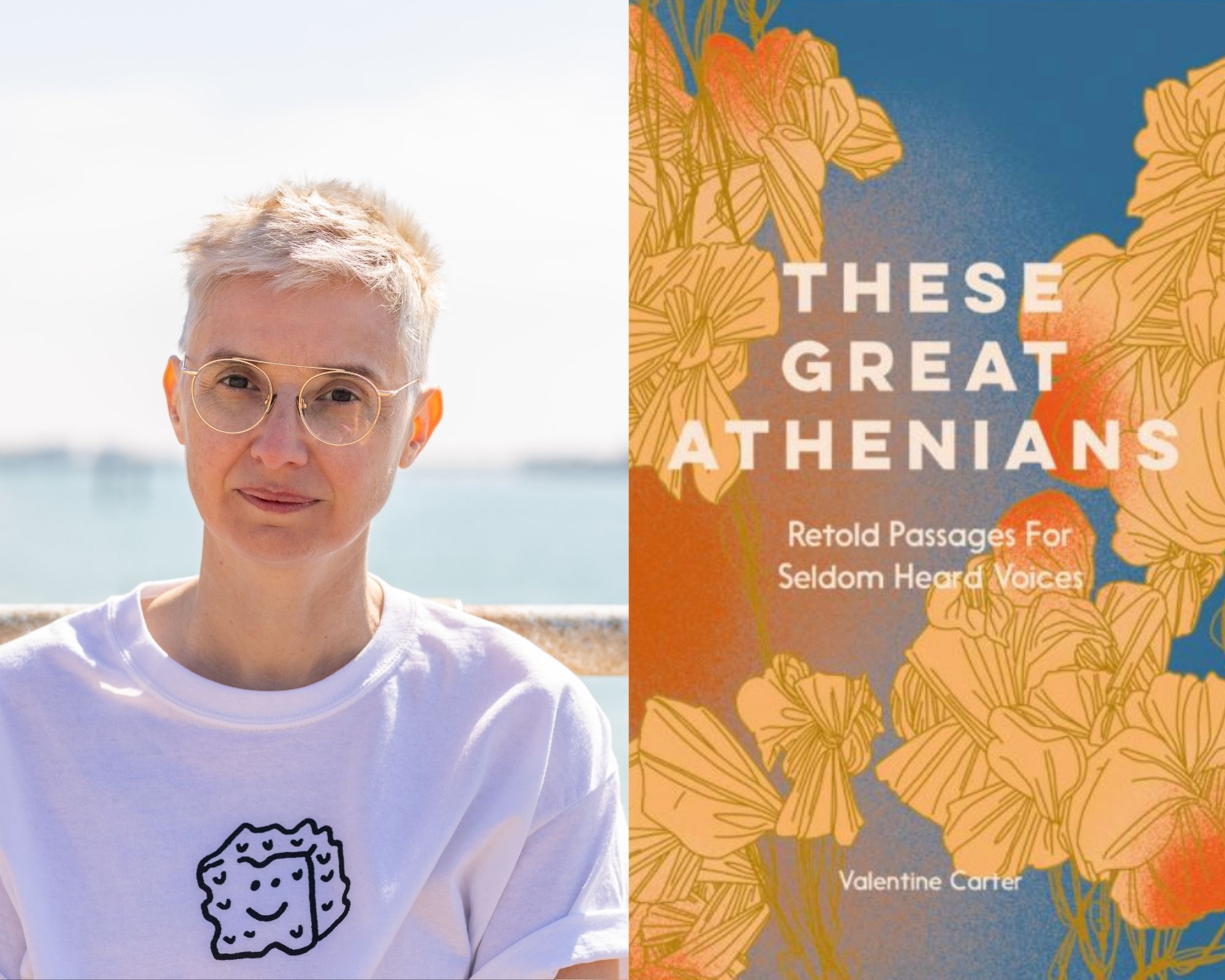
Georgia Poplett talks to author and visual artist, Valentine Carter, about their new book, These Great Athenians, the materiality of texts, breaking the genre of mythology as a non-binary writer, the sense of belonging that resides in myths, writing as a form of weaving and much more.