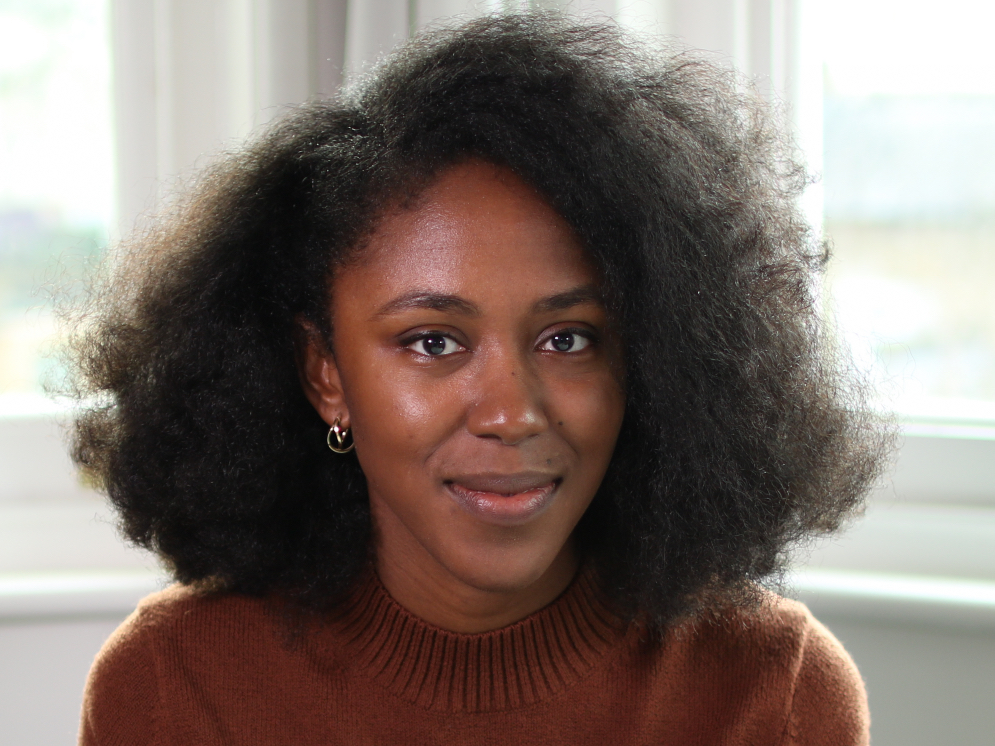
Rym Kechacha talks to award-winning short story writer, Leanne Radojkovich, about the importance of Aotearoa New Zealand’s landscape to her fiction, Independent publishers as the future of literature and the need to re-indigenise writing.
Miriam Al Jamil goes down the rabbit hole at the V&A’s latest exhibition, Alice: Curioser and Curioser, and discovers how Lewis Carroll’s books inspired generations of artists, designers, illustrators and film-makers.
Emily Walters’ collage, Baroque Carnival Euphoria, is a gorgeously frothy pink concoction that celebrates the extravagance of Italian frescoes and the Carnivale di Venezia whilst also looking forward to contemporary neon street art and pop culture.
Natasha Brown’s powerful, deftly written debut explodes neoliberal myths of meritocratic success and reveals the stark reality faced by young Black women when attempting to make it to the top.
Iona Glen reflects on Celia Paul’s memoir, Self Portrait, the significance of the British Museum and Bloomsbury to the artist’s work, and her subversive vanquishing of “muse-dom” and patriarchal conventions through painting.
Lottie Whalen talks to editor and author Francesca Wade about her prize-winning book, Square Haunting, the single women who sought to find a room of their own in Bloomsbury, her research and writing processes, and why the book resonates for women today.
This exhilarating anthology of short stories challenges us to look beyond the shiny façade of ‘the new’ and to embrace ‘the abject’ – the ambiguous, the old, the distressing parts of ourselves and our society – and to ask what place the abject should have in our culture today.
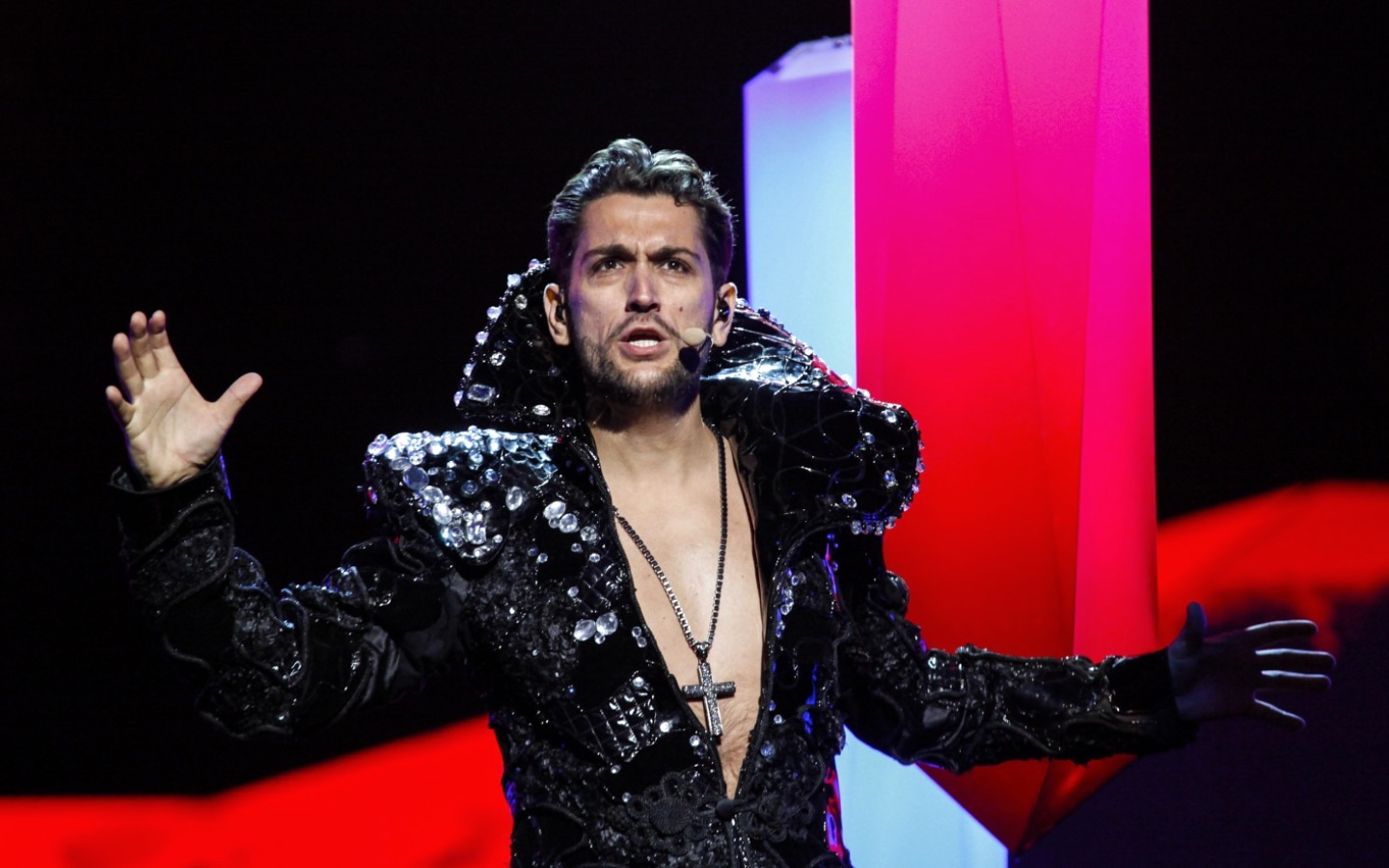
Selin Genc takes us on a return trip, economy class, to the Eurovision of the early 00s, where austerity was answered with excessive performances – and a singing turkey!
Reginald Sylvester II’s With the End in Mind showcases rich and affective abstract works, which both speak to and stand out among current exhibitions of Black art, writes our contributor Ifeanyi Awachie.
The 2019 Met Gala took inspiration from Susan Sontag’s renowned essay, ‘Notes on Camp’, but what of the less glamorous, closer-to-home forms of Sontagion camp? Here, Rebecca Savage looks at the queer origins of Coronation Street, its campy costumes and flamboyant characters.
Shamini Sriskandarajah reviews this debut collection of London-based short stories, full of vivid, colourful characters and with a joyfully feminist streak.
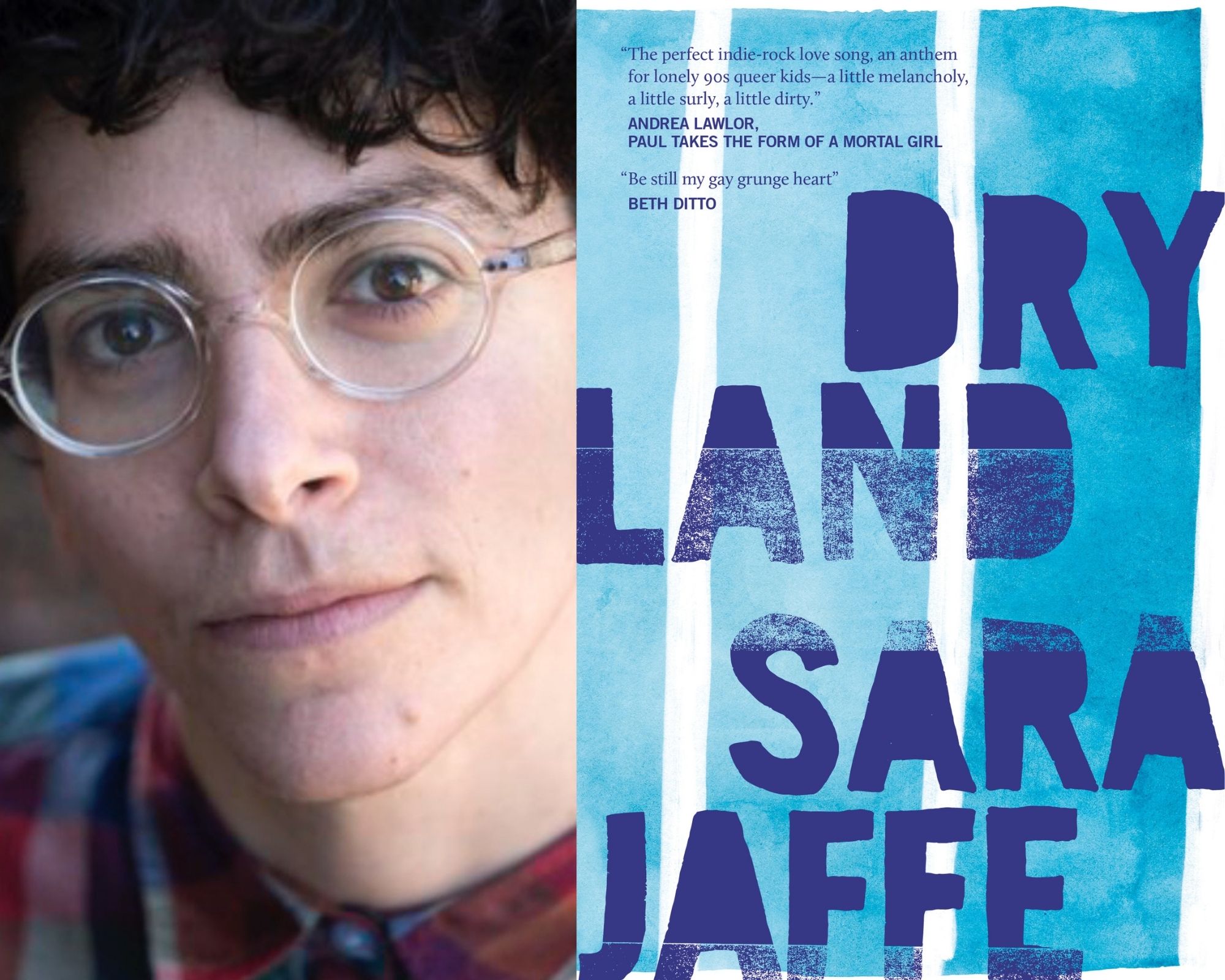
Dryland is an ‘anti-coming out’ novel full of shifting surfaces and unplumbed depths, where the reality of relationships and queer desire are alluded to but never fully disclosed, writes Anna Kate Blair.