For decades womxn have felt unrepresented by liberal feminism and its lack of intersectionality. In her new book, Cats Are Trash: But Maybe Feminists Are Too, Majella Mark seeks to entertain, encourage and educate readers on the history and potentiality of feminism.
In this creative, collagic essay, Kathryn Cutler-MacKenzie writes with and through the words of Virginia Woolf, Hélène Cixous and Julia Kristeva to convey the freedom of writing and kinship felt when reading their works.
Elodie Rose Barnes talks to author, performer and singer, Rosie Garland, about discovering the magic of words as a child, being an outsider, the importance of reading poetry out loud and the feminist gothic found in her novels.
In Rosie Garland’s enchanting new collection of poetry, What Girls Do In The Dark, we’re invited to take a leap into the unknown, embrace darkness in all its forms, and encounter girls who morph and burn brightly.
In Annie McDermott’s superb translation of Selva Almada’s journalistic novel, Dead Girls, the story of three young women murdered in 1980s Argentina asks how long will the world stand by and remain silent about violence to women?
In her latest book, Sex and Lies, translated by Sophie Lewis, Leïla Slimani collects the sexual stories of Moroccan women from all walks of life to create a provoking, yet uplifting narrative.
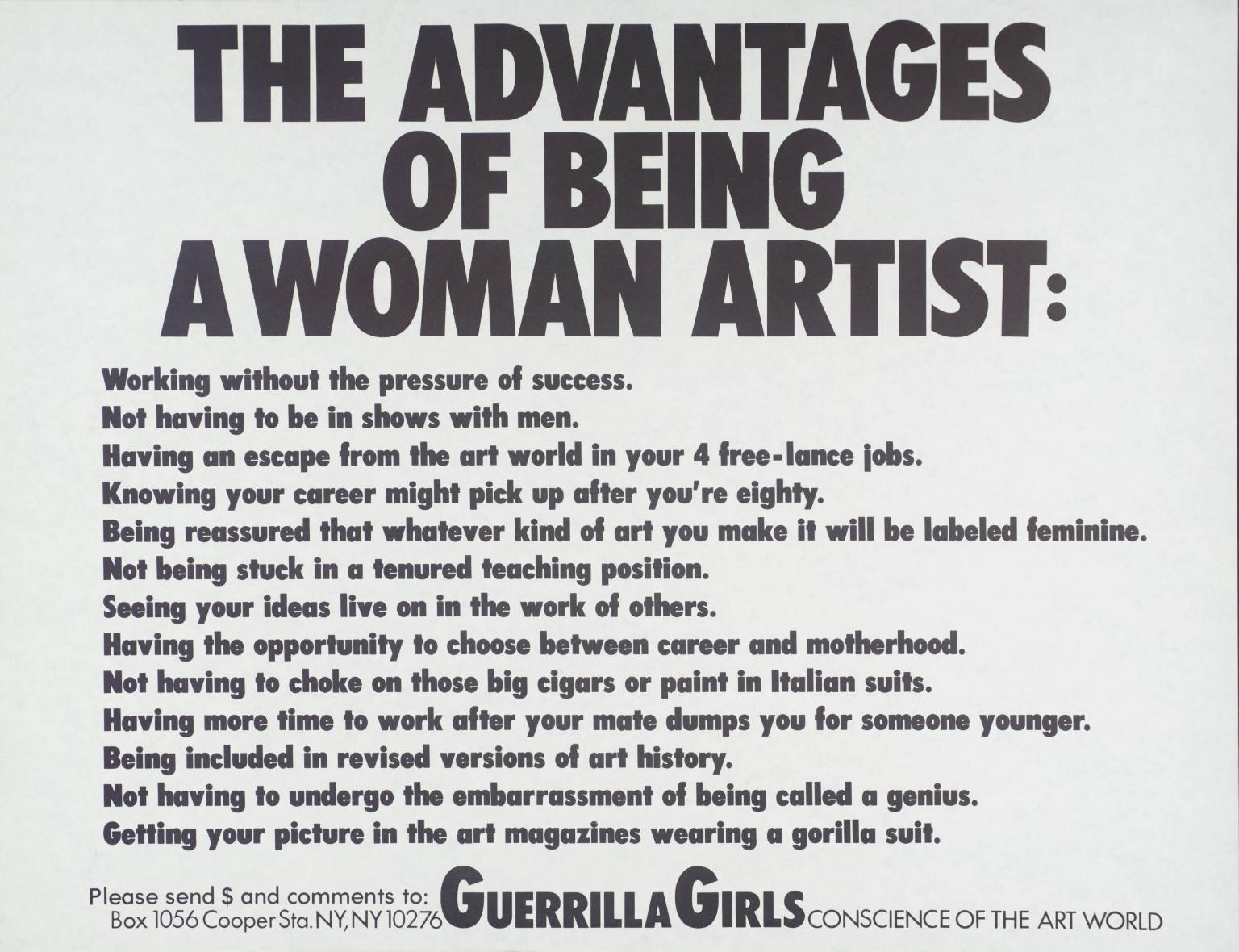
Kathryn Cutler-MacKenzie reflects on the seminal work, The Advantages of Being a Woman Artist, 1988, by Guerrilla Girls, and calls for women in the art world to be more politically engaged and active in their practise.
The Place’s innovative dance festival, Resolution 2020, offers three works which explore the construction and performativity of gender, as well as the mental health issues facing young people today.
Militarized nationalism, devoid of history and context, relentless in its push for American hegemony, is completely inconsistent with progressive values, argues our contributor Genevieve Riccoboni.
Author of a number of books relating to the history of sexuality, Julie Peakman’s new work, Licentious Worlds, offers a history of sexual attitudes and behaviour through five hundred years of empire building around the world. Here, she talks to our arts contributor, Miriam Al Jamil, about her book and the research behind it.
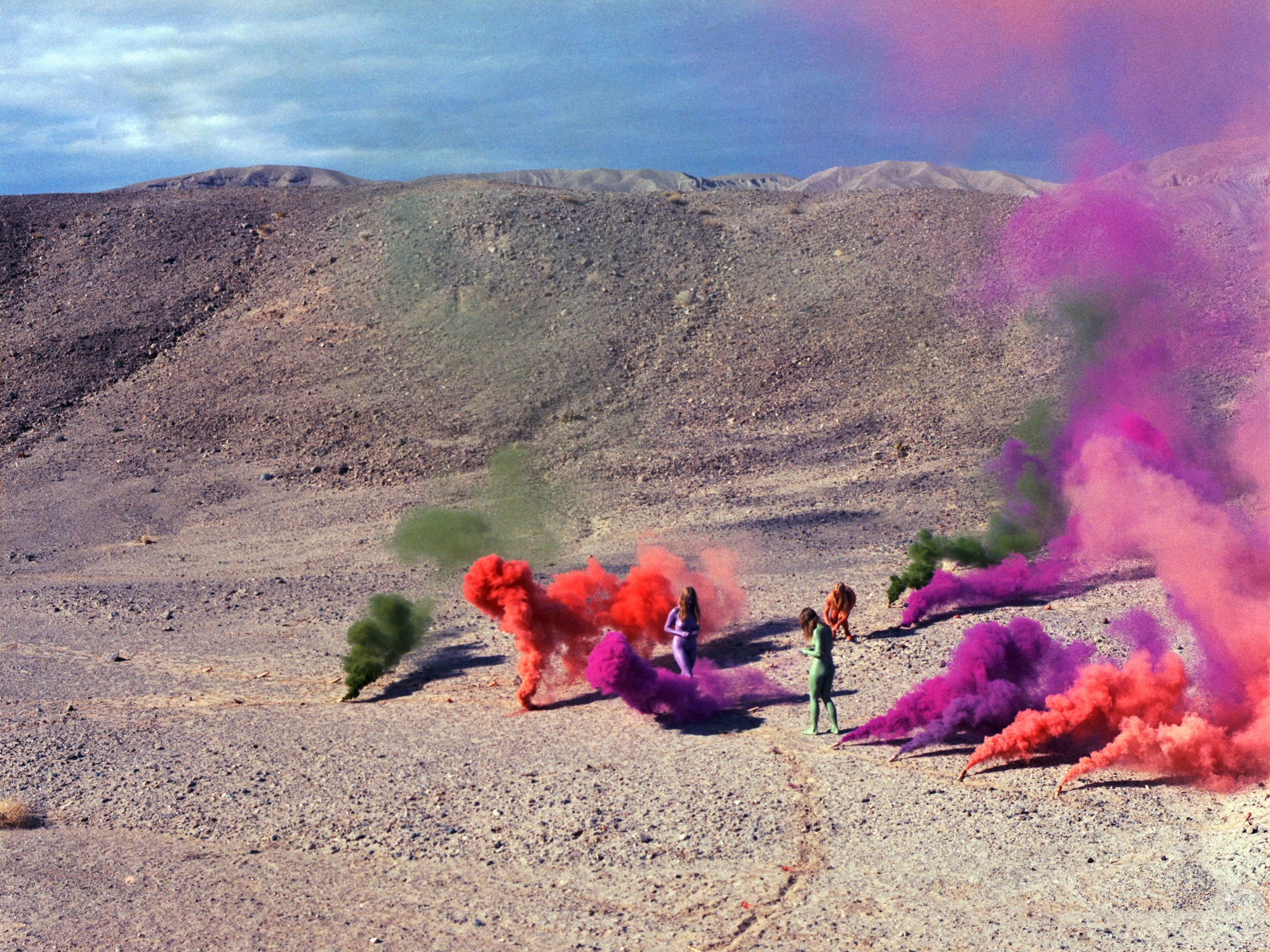
Bursts of bright colour, radical tapestries and personal drawings exploring loss and grief mark out the Baltic’s current exhibition of Judy Chicago’s work, which spans the whole of her 50-year career.