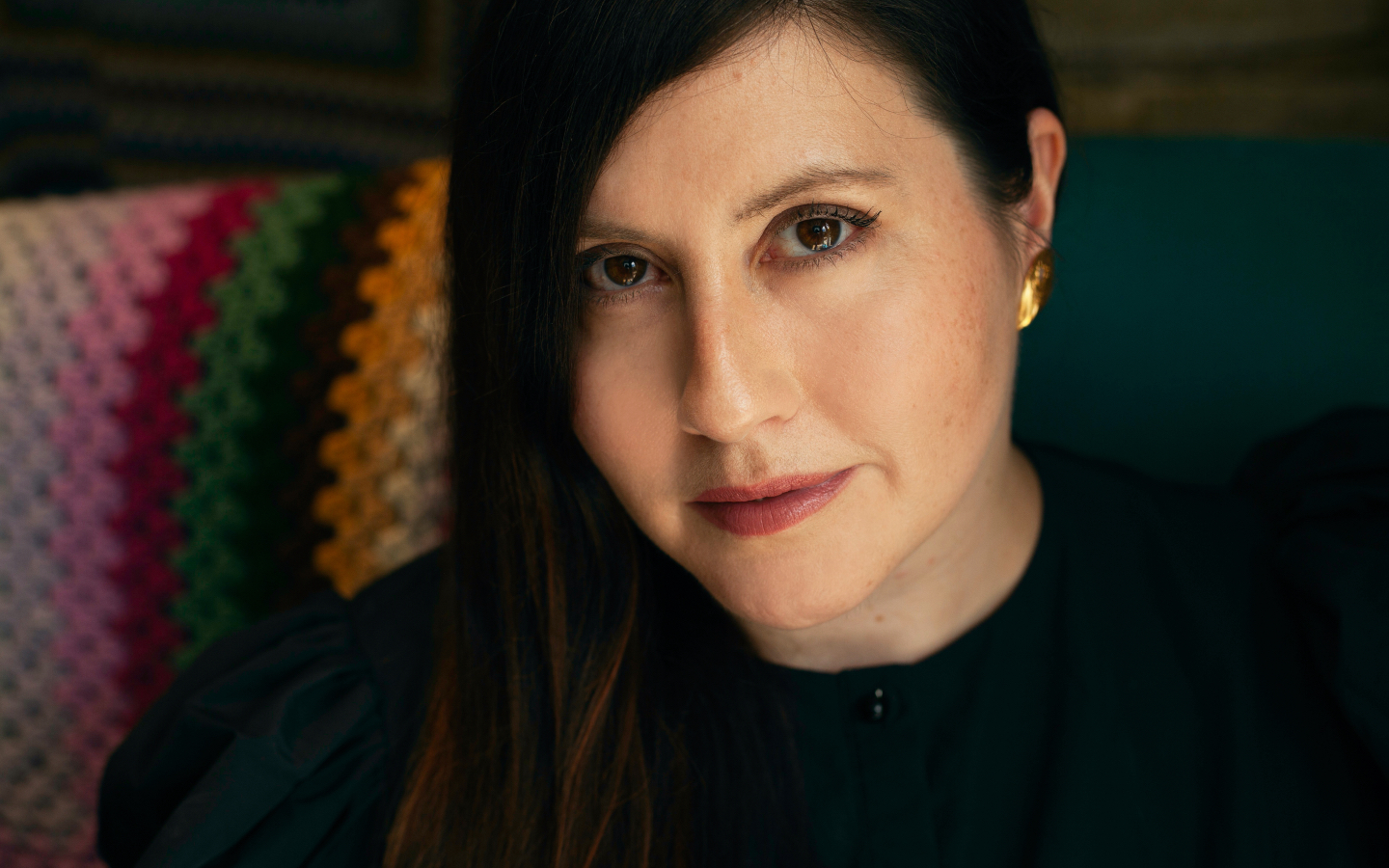
Bodies traverse histories, tap into memories and are saturated with feelings and experiences in Loranne Vella’s superb short fiction collection, WhatWill It Take For Me To Leave, translated by Kat Storace.
The courage it takes to own and inhabit a body in the face of others’ desires and actions is explored in these two compelling and beautifully written poems by Stephanie Neuerburg.
Desires rage and sexual tensions are let loose in Tanztheater Wuppertal Pina Bausch’s sublimely smart and ever-relevant classic, Kontakthof, at Sadler’s Wells.
Georgia Poplett talks to author Elinor Cleghorn about her book Unwell Women, and explores the history, beliefs, and language surrounding the all-pervasive culture of medical misogyny in the West.
In this powerful and vivid poem, Emily Swettenham creatively explores living with Pelvic Inflammatory Disease, a condition that affects almost a quarter of a million women in the UK each year.
Isabella Hill revels in the surreal, macabre and joyously colourful works of Oriele Steiner, Caroline Wong and Hera Gedikoglu at Art City Works and Purslane’s online exhibition, Saturnalia.
In Louise Mey’s beautifully written psychological thriller, The Second Woman, a grieving ‘crying’ man is not what he seems – and neither is the story of his missing wife.
Angry at the sexual harassment women experience, Molly Williams began to paint something disturbing but powerful. The resulting painting, Bloody Barbarella, was her way of speaking back and subverting the violence of misogyny.
Artists Kat Cutler-MacKenzie and Ben Caro discuss their collaborative work, O.o.o.h! , a semi-pedagogic, semi-absurd investigation into the menstrual cycle inspired, in part, by the thought of philosopher Graham Harman and the photographs of Rafal Miłach.
Rosanne Robertson’s Subterrane uses both the ruggedness and fluidity of the West Cornish coastline to celebrate the beauty of queer bodies and gender non-conformity, writes Catherine Howe.
In these lush and gorgeously written poems, Umang Kalra explores relationships, grief and the effect of the internet on poetic expression in the era of Covid-19.
In Juliet Jacques’ compelling, subversive and vital debut collection of short stories, trans history and the myriad forms of the lived transgender experience are vividly and powerfully conveyed.