In Rojbîn Arjen Yigit’s powerful poem, ‘Daykêmîn (Mother)’, a child sits down to dinner and savours her mother’s stories of when she first arrived in Britain and had to navigate many cultural and linguistic barriers.
Jen Calleja’s novel, The Islets, is a timely and daring exploration of xenophobia, cultural exploitation, historical suppression and amnesia, and the politics of literary translation. In this preview, ‘The Unreliable Translator’, the main character, Hester Heller, interviews a renowned translator, uncovering more about his work than she intended.
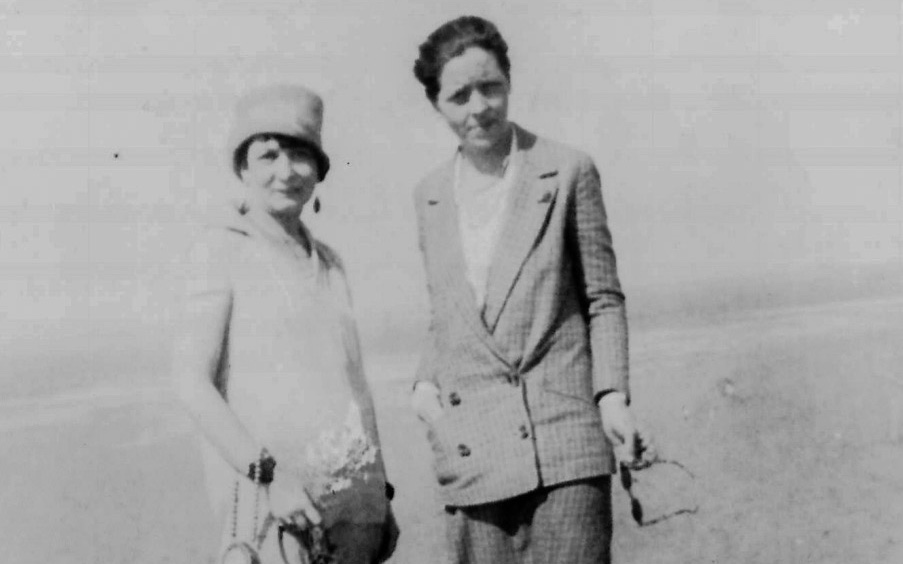
In her third chapter of the series, Elodie Rose Barnes walks the streets of Paris trying to uncover fragments of Djuna Barnes’ relationship with Baroness Elsa von Freytag-Loringhoven and her attempt to write a biography of the Dada artist’s life.
In this beautiful creative non-fiction piece, ‘Gold Top’, Rym Kechacha uses Remedios Varo’s painting, Celestial Pablum, to explore her own experiences of breastfeeding her baby daughter through the night.
Musing on the meaning of a Malay proverb, Amy Hamizah asks whether the use of English in Brunei is a form of cultural imperialism or simply a marker of the educated younger generation.
In Kashiana Singh’s beautiful poem, ‘Pagri/Paggar/Pagadi/Pagg Turbans’, a father slowly folds his turban in front of his daughter, the intimate act of which is akin to the gradual unravelling of a poem.
In the second of her self-conceived series, The Dinner Party Reloaded, a virtual dinner party with selected artists and writers, Susanna Crossman meets acclaimed authors Haleh Agar, Sara Collins and Irenosen Okojie to discuss their work, their love for fiction, anime, the poetry of Derek Walcott, Han Kang and Kei Miller, and much more.
Ludovica Credendino remembers the difficulties of switching from Italian to English when writing creatively, and how she learned to fuse the two into her own unique language.
In Nora Nadjarian’s beautiful poem, ‘Letters to Parajanov’, a speaker awaits a bird’s return with news from her homeland and recalls words lost and gained in this new ‘country’.
For Mileva Anastasiadou, speaking two languages has many advantages, but when it comes to writing, it is English that permits her to travel in a way her native tongue does not.
Comfortable in her mother tongue, Turkish, Selin Genc wasn’t prepared for how English would creep into her dreams, thoughts and conversations when moving to Scotland. Here, she talks navigating two languages, two worlds and enjoying the magical mixing of both.
In our final poem from Usha Akella’s Flora and Fauna series, Pramila Venkateswaran encourages us to look upwards and contemplate the magical, ‘unseen paths’ above the terra firma.