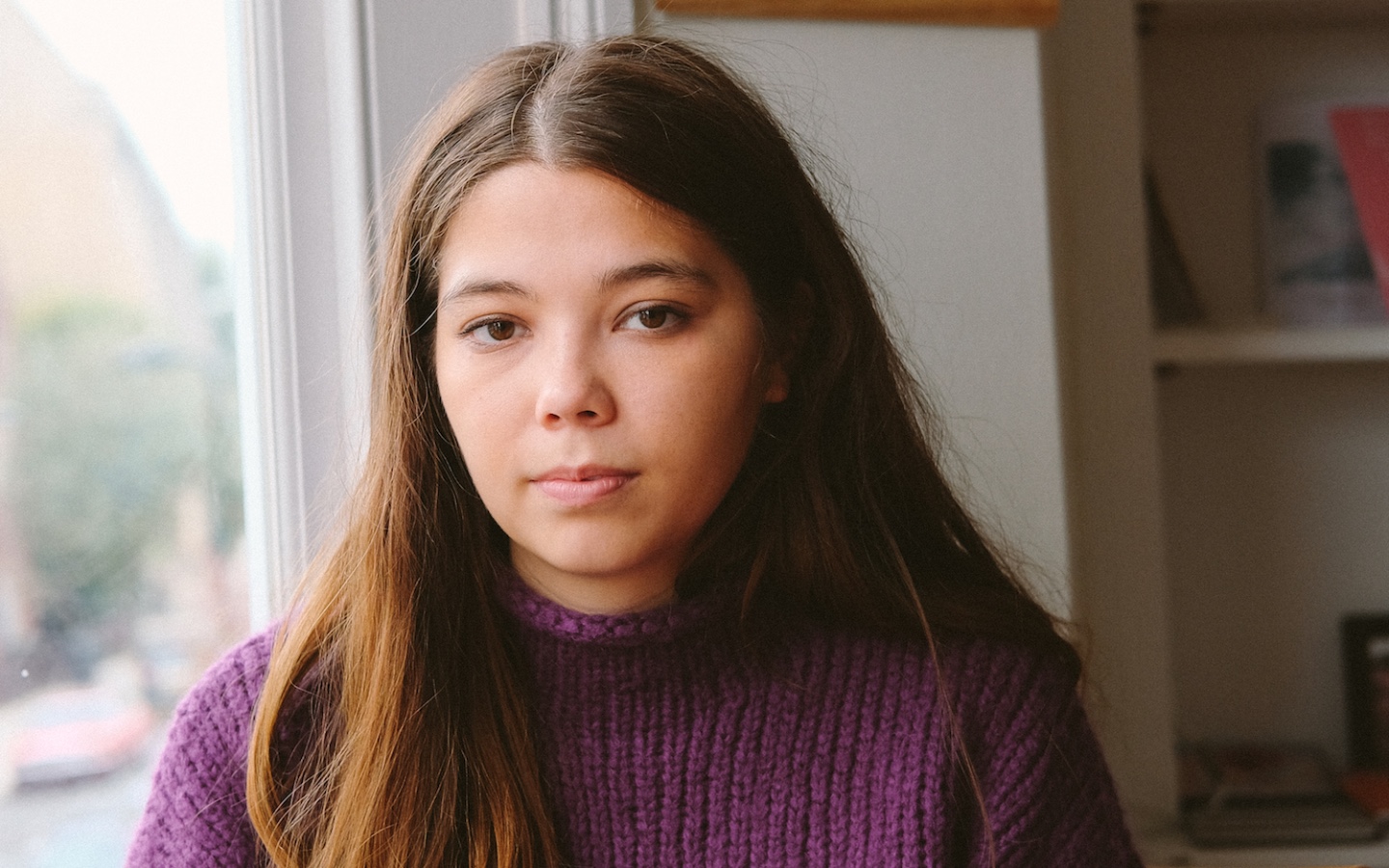
Our writer, Sammy Weaver, talks to poet, essayist and zine-maker, Nina Mingya Powles, about her recent poetry collection, Magnolia, 木蘭, formal techniques and writing, cooking as creativity, Anne Carson as inspiration and her upcoming book, Small Bodies of Water.
Susan Wilson explores the creative space of poetry, writing through grief and loss, poetry as identity, and words as ‘the hope in brilliant darkness of a flame’.
Kashiana Singh’s tightly knit poems, ‘Kindling healing’ and ‘The night spills’, explore night and day in all their haunting nuance and mesmerising movement.
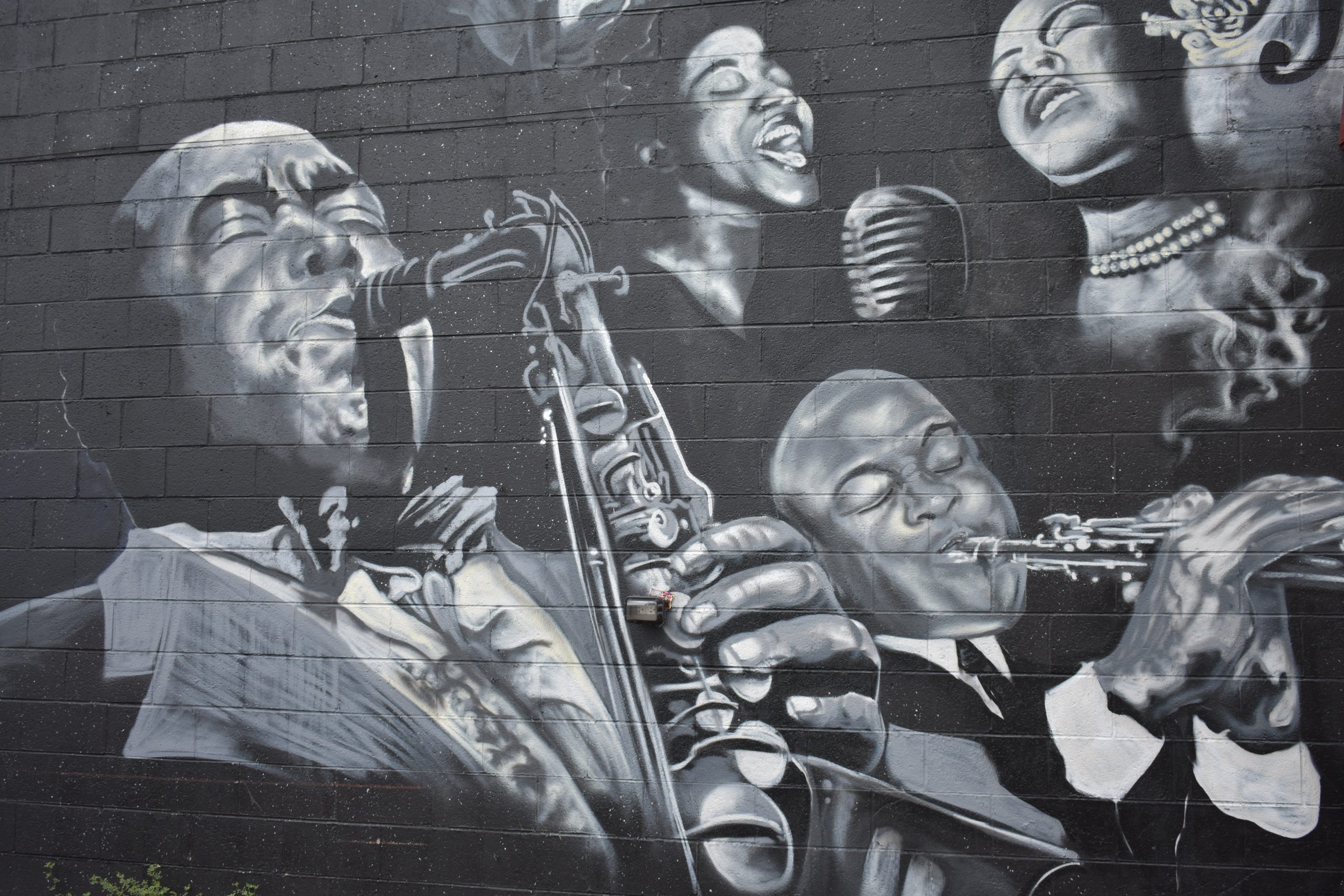
Artist Michèle Saint-Michel fuses poetry and music with news reportage in her powerful audio piece, The Immortal Charlie Parker. In it, she recounts her experience of reconnecting with a childhood friend during the early stages of the pandemic.
Sleeplessness gives way to the dreamy promise of luscious fruits, beautiful bodies and fantastical lands in Elodie Rose Barnes’ poetry, inspired, in part, by Leonora Carrington and H. D.
Susan Wilson’s poems quietly and sensitively explore the range of feelings – numbness, pain and longing – experienced after losing a loved one, enacting within their poetic structures the motions and process of grief.
Elodie Rose Barnes talks to author, performer and singer, Rosie Garland, about discovering the magic of words as a child, being an outsider, the importance of reading poetry out loud and the feminist gothic found in her novels.
Learning both English and Urdu at school, and teaching French after university, Naima Rashid initially felt dislocated from her “mother tongue” and land. But, on reading Urdu again, she’s discovered it’s ‘the space between languages’ that feels like home.
Yen Ooi’s poem, ‘Mother Tongue’, is a bold and resolute response to those who project ideas onto a person’s skin and fail to see the individual for who they are, in all their cultural, linguistic and ethnic multiplicity.
In Rojbîn Arjen Yigit’s powerful poem, ‘Daykêmîn (Mother)’, a child sits down to dinner and savours her mother’s stories of when she first arrived in Britain and had to navigate many cultural and linguistic barriers.
In Rosie Garland’s enchanting new collection of poetry, What Girls Do In The Dark, we’re invited to take a leap into the unknown, embrace darkness in all its forms, and encounter girls who morph and burn brightly.