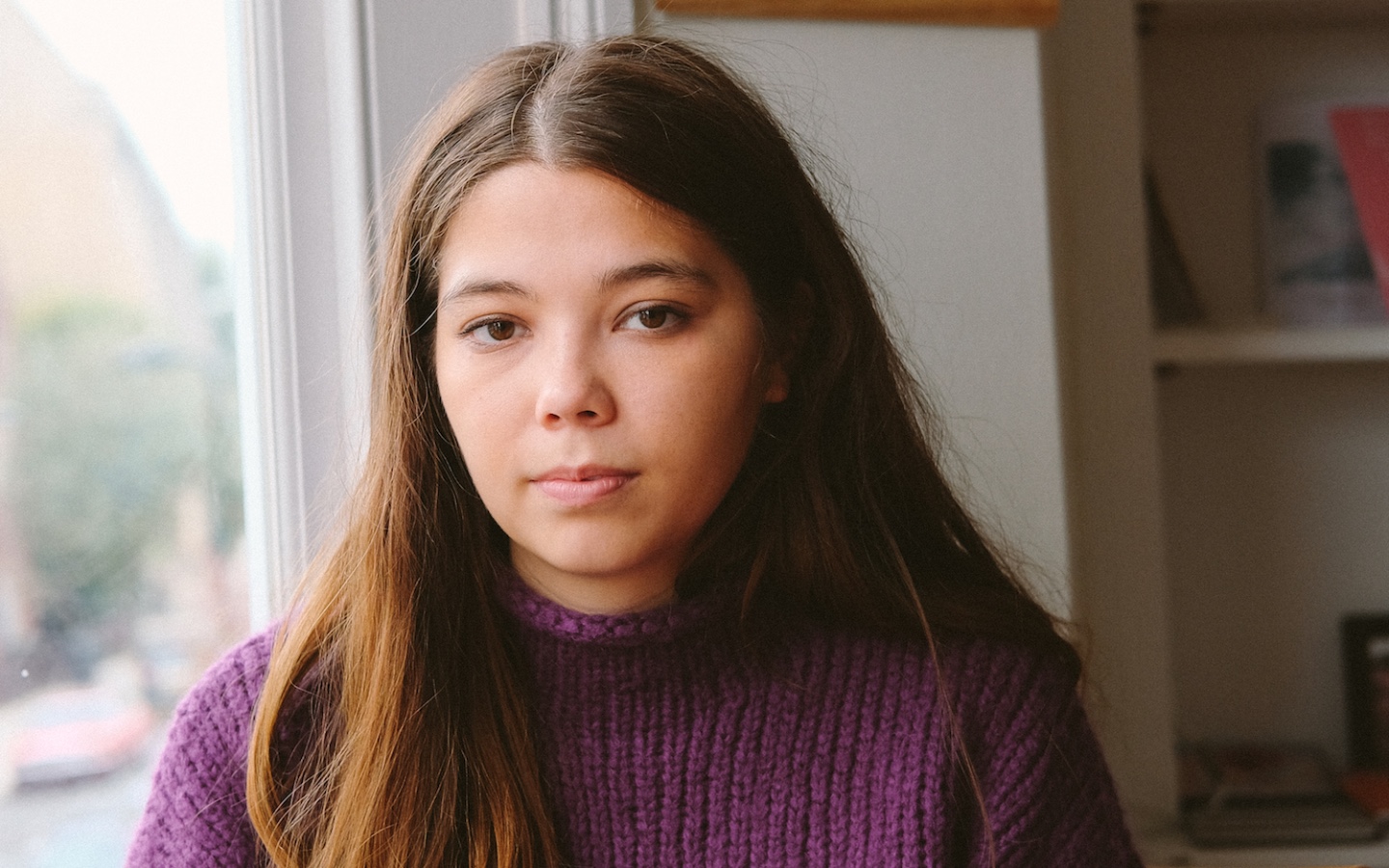
Our writer, Sammy Weaver, talks to poet, essayist and zine-maker, Nina Mingya Powles, about her recent poetry collection, Magnolia, 木蘭, formal techniques and writing, cooking as creativity, Anne Carson as inspiration and her upcoming book, Small Bodies of Water.
Kathryn Cutler-MacKenzie talks to award-winning author Niven Govinden about his latest book Diary of a Film, the power and freedom of walking, the importance of the cinematic lens to his writing and assertive characters.
In Ida Marie Hede’s stunningly haunting and humorous novel, Adorable, B and Q’s world changes with the birth of their first child Æ. Here, in a selection of passages from the first section of the novel, the messy birth of Æ and relationship B develops with her are told in gloriously rich detail.
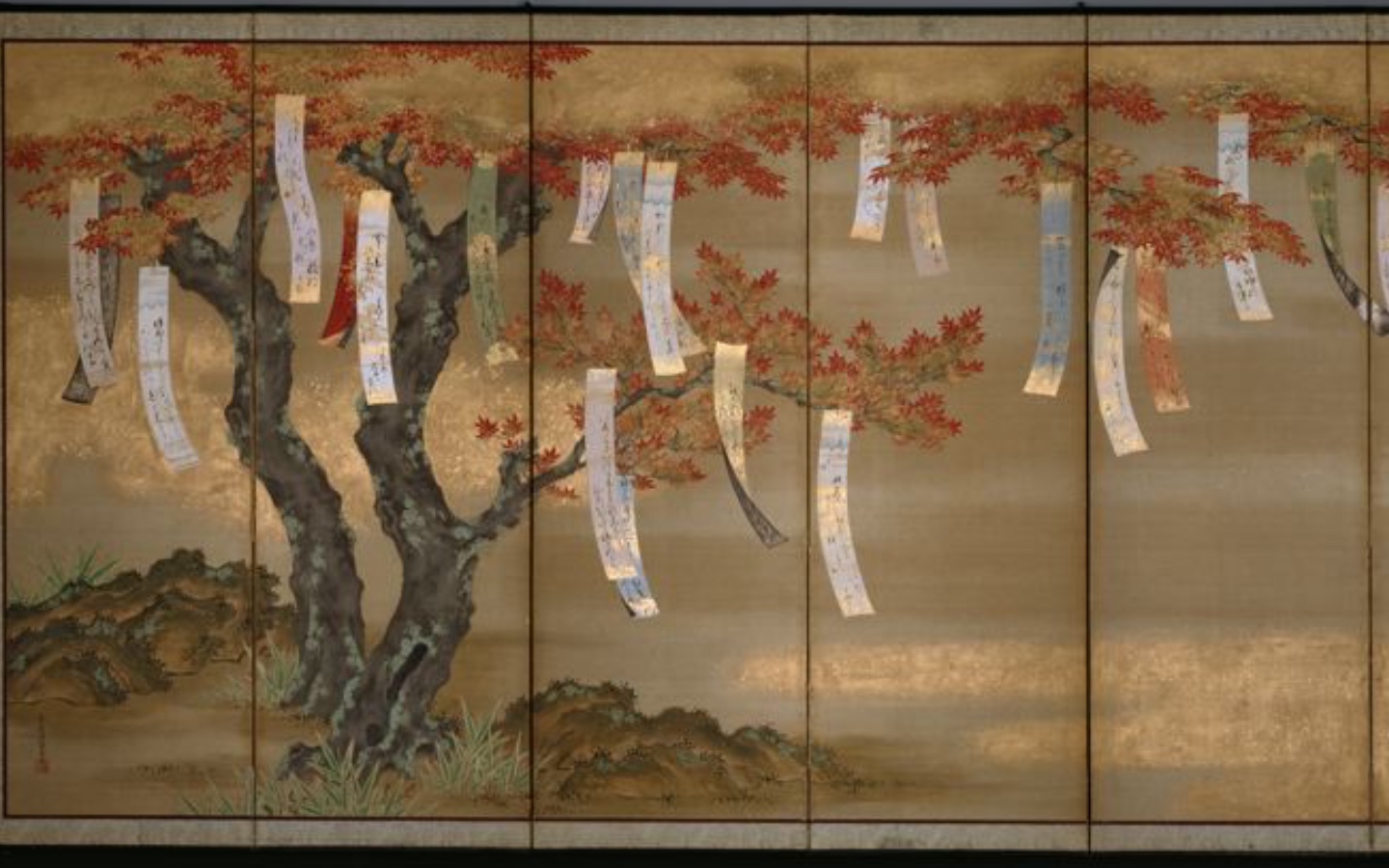
Following Lispector and Carrington in her pursuit of the surreal, Jen Calleja’s fantastical short story collection promises to leave a lasting impression, writes Jade French.
In this ‘part-memoir, part-linguistic excavation’, Polly Barton’s experiences of moving to Japan and becoming a literary translator form a love letter to the country and its language.
Our writer, Sammy Weaver, creates a thrillingly imaginative response to the Barbican’s recent feminist literary festival, New Suns, and reimagines words as seeds, bodies as earth and people as lichens.
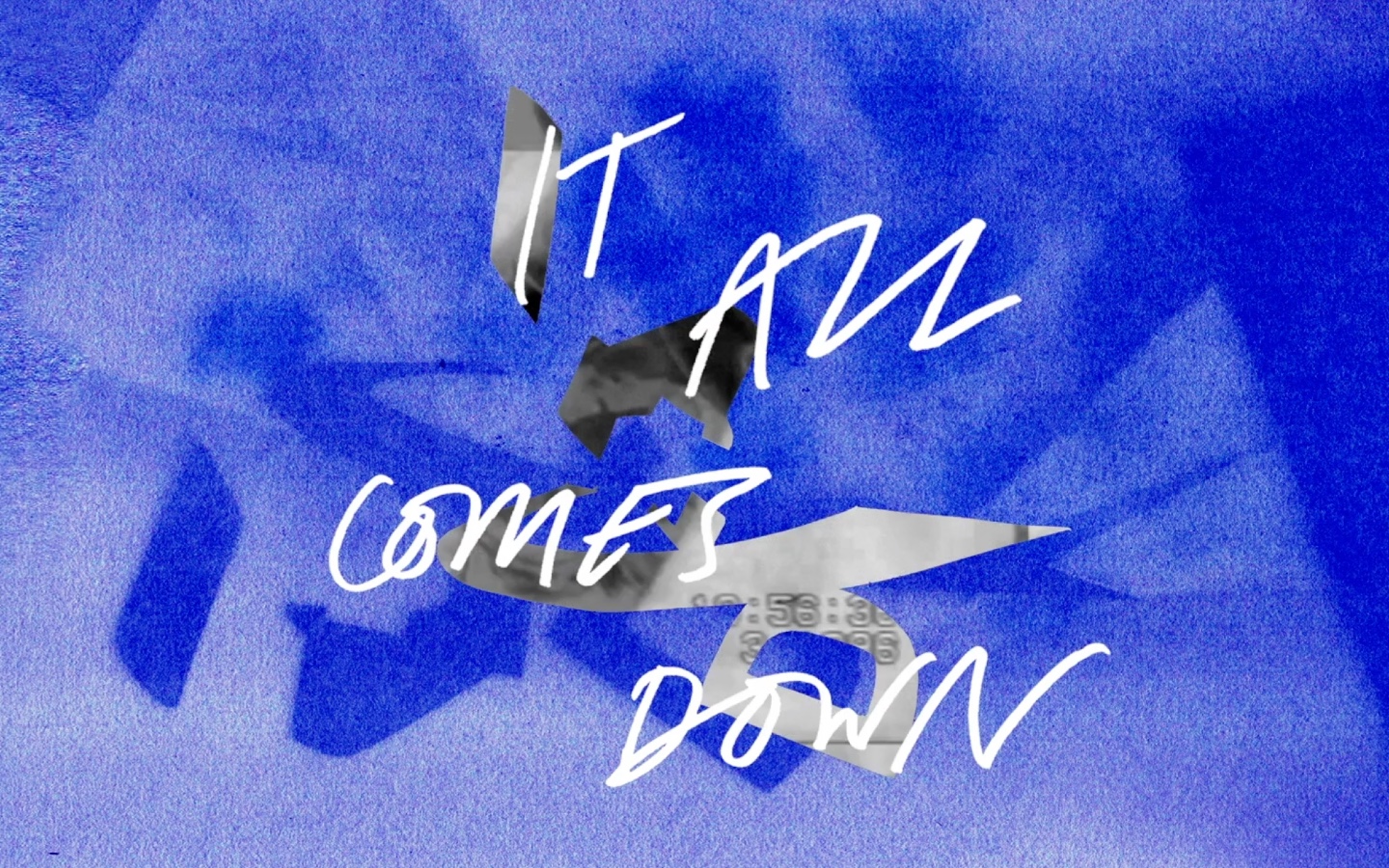
Bringing together thirteen emerging artists between the ages of 16-25, the Barbican’s latest exhibition, It All Comes Down, explores how young people navigate the world and approach their artistic practise during the pandemic.
After seeing artist Charlotte Salomon’s work in an exhibition before the first lockdown, So Mayer started to reflect on the evolution of Salomon’s innovative, word-strewn paintings. Here, they consider how Salomon’s work conjures and embodies a unique voice, a bold assertion of self that defies curatorial and art historical prejudices.
Reading about the life and friendships of artist Ida Nettleship John has given doctoral student, Eliza Goodpasture, comfort during lockdown and companionship when friends feel far away.
Susan Wilson explores the creative space of poetry, writing through grief and loss, poetry as identity, and words as ‘the hope in brilliant darkness of a flame’.
Rym Kechacha reviews Joseph Andras’ powerful novel, Tomorrow They Won’t Dare To Murder Us, and considers the impact of colonial violence and fights for independence around the world today.