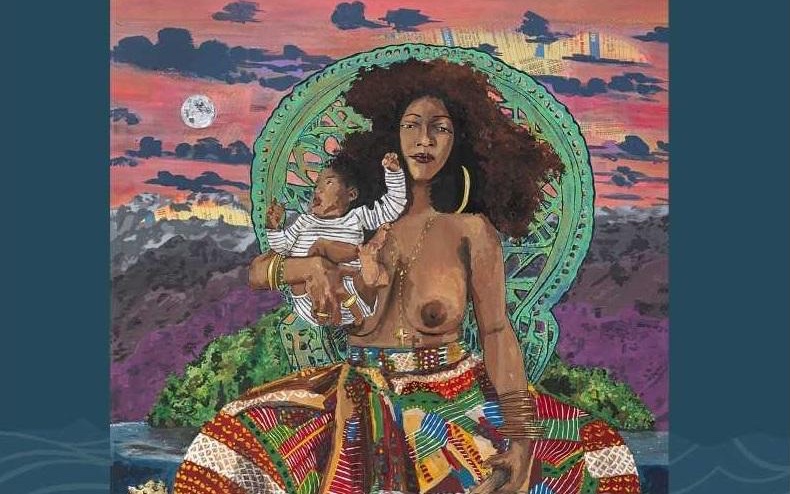
In this creative, collagic essay, Kathryn Cutler-MacKenzie writes with and through the words of Virginia Woolf, Hélène Cixous and Julia Kristeva to convey the freedom of writing and kinship felt when reading their works.
Elodie Rose Barnes talks to author, performer and singer, Rosie Garland, about discovering the magic of words as a child, being an outsider, the importance of reading poetry out loud and the feminist gothic found in her novels.
In this creative ‘Christmas’ essay, Hannah Hutchings-Georgiou reflects on the power and therapeutic potential of drawing in her own life, the artistic practise of Louise Bourgeois, and Jean Frémon’s new text Nativity (Les Fugitives).
In her third virtual dinner party of the year, Susanna Crossman invites translators and writers Saudamini Deo, Denise Rose Hansen, and Emma Rault to discuss different modes of translating, the fascistic notion of an “original” language, the work of Ann Quin and the ghosts behind translation.
Elodie Rose Barnes explores the epic English and Spanish poetry anthology, The Sea Needs No Ornament / El mar no necesita ornamento, and talks to its translators, Loretta Collins Klobah and Maria Grau Perejoan, about the translation process, empowering women writers from the Caribbean and the literary history behind the poems.
Artist and filmmaker Steve McQueen’s epic Year 3 project brings together more than 3000 class portraits from over 1500 primary schools to commemorate a most formative time in a child’s educational life. The result, says our writer Shamini Sriskandarajah, is at once illuminating and moving.
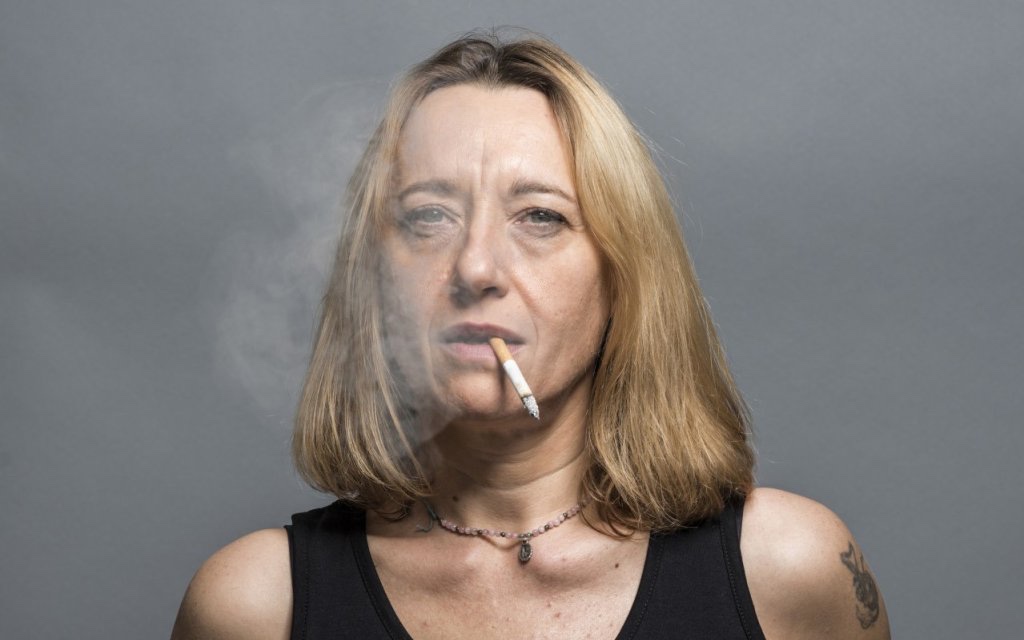
Virginie Despentes’ King Kong Theory is an angry and passionate manifesto against late capitalist patriarchy, a story about sexual assault and trauma that centres the survivor.
On reading Emily Wilson’s translation of Homer’s Odyssey, Georgia Poplett started to consider the misogynistic history behind language and the way translated words have been used to harm and heal womxn.
In the third chapter of her mini-series, Toni Roberts discovers that witchcraft is alive and well in Romania. Looking at Lucia Sekerková Bláhová’s photography series, Vrăjitoare, the modern, technologically savvy face of magic and witchery is revealed.
Shows like Dear White People, I May Destroy You and Insecure are to be applauded for focusing on friendships between black women. But, argues, Aysha Abdulrazak, to what extent are these being informed by a white supremacist lens? And who are they for?
Elodie Rose Barnes reviews Sissal Kampmann’s Faroese poetry collection, Darkening/Myrking, and speaks to translator Marita Thomsen about translating Kampmann’s work, Faroese weather, gender in language, and reading translated texts.